
Finding the right way to improve your sleep can often feel like a confusing maze. Many people look at different options to help them rest better throughout the night. You might see ads for various bedding items and wonder which path is right for your home.
It is important to know that these products do very different things for the body. A conforming mattress pad offers great support and pressure relief for your sore joints. In contrast, a heavy blanket provides a gentle, calming hug through deep pressure stimulation.
This comprehensive guide will show you how both choices work in your bedroom. We want to help you pick the best item for your own unique challenges and preferences. There is no single “better” choice that works for every single person.
We will explore the pros and cons of these popular items very clearly. By the end, you will know if a soft pad or heavy blankets fit your lifestyle best. Understanding your own sleep needs is the first step toward feeling refreshed every morning.
Understanding Memory Foam Products
If you have ever wondered why some beds feel like a warm hug, the secret lies in the engineering of memory foam. This innovative material has completely changed how we think about a good night’s rest. It primarily focuses on physical comfort and proper spinal alignment to help you wake up refreshed.
What is Memory Foam?
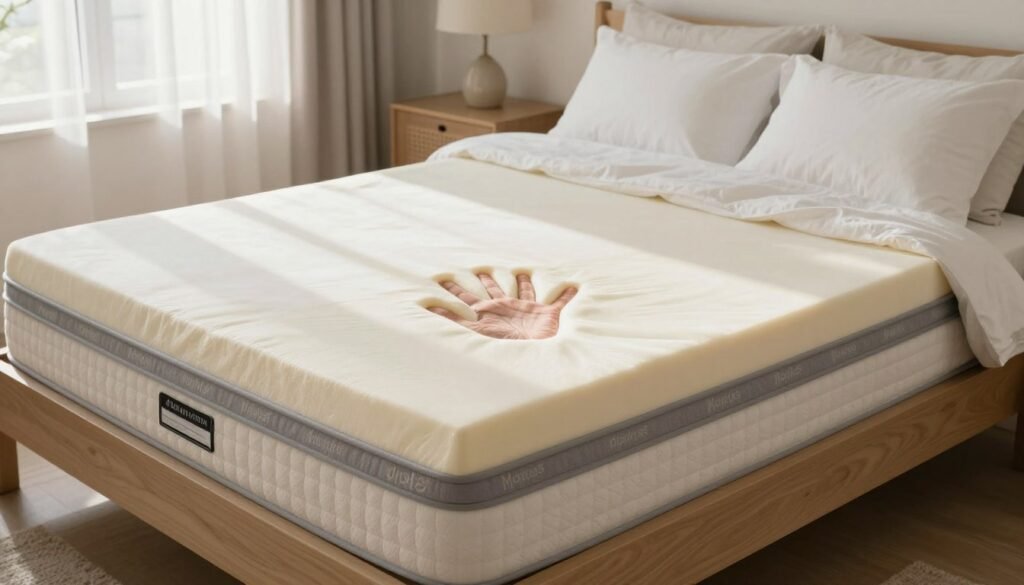
Memory foam is a specific type of viscoelastic polyurethane foam. NASA scientists originally developed these materials to improve seat safety and crash protection during space travel. Today, this technology brings incredible comfort to bedrooms across the country.
The foam is unique because it reacts to both your weight and your warmth. When you lie down, the material softens and molds to your specific shape. It uses high-end materials to ensure the surface lasts for a long time without losing its shape.
Memory Foam Mattresses vs Toppers
You can enjoy this technology in two main ways. A full mattress replaces your entire sleeping surface to provide deep, structural support for your whole body. This is often the best choice for someone needing a complete sleep overhaul.
If you aren’t ready to buy a new mattress, a memory foam mattress topper is a great alternative. This is a thinner layer that you simply place on top of your current bed. It provides an immediate boost in comfort and softness without the cost of a full replacement.
How Memory Foam Conforms to Your Body
On a molecular level, the foam reacts to heat to relieve pressure on your joints. As your body warms the foam, it shifts and cradles your heaviest points. Different sleepers, like those who rest on their sides, often feel immediate relief in their shoulders and hips.
Density plays a major role in how the foam feels. High-density options offer better support and durability but may trap more heat. Lower-density foams feel much softer and usually stay cooler throughout the night.
A quality mattress or topper usually requires an adjustment period of a few weeks. Your muscles need this time to adapt to the new support system. While it doesn’t solve anxiety, it creates the perfect physical environment for deep, restorative sleep.
Understanding Weighted Blankets
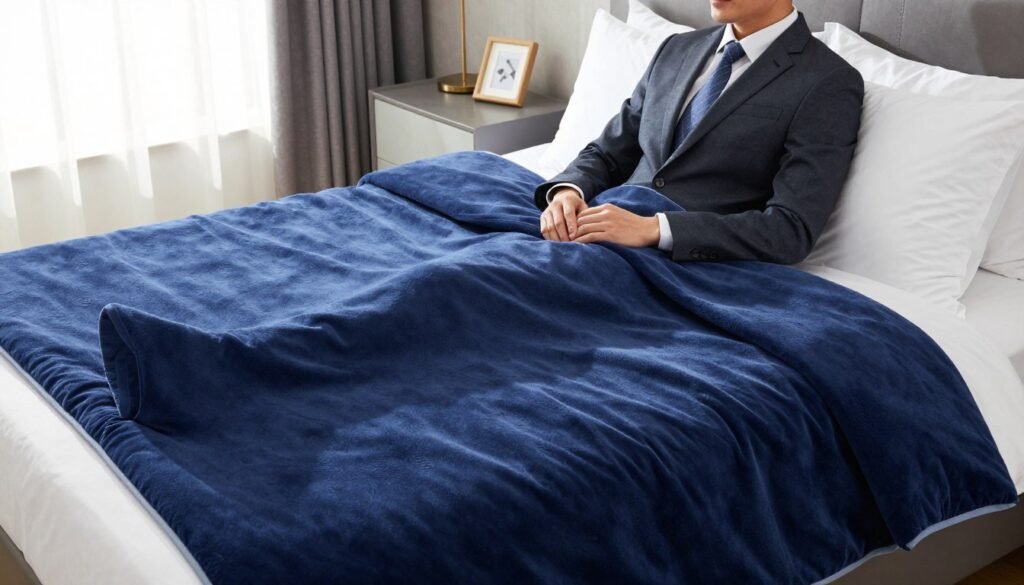
While memory foam supports your body from below, a weighted blanket for adults provides a comforting hug from above. This specialized blanket is designed to be much heavier than a standard comforter or quilt.
Most of these products weigh between 15 and 30 pounds to provide gentle pressure. They aim to mimic the soothing feeling of being held or hugged effortlessly during the night.
What Makes a Blanket “Weighted”?
The unique feel of weighted blankets comes from a specialized internal filling. Manufacturers typically use small beads to add mass without adding excessive bulk.
Most often, these are tiny glass spheres or plastic pellets sewn into square pockets. These pockets keep the weight evenly spread across your entire body so it does not bunch up in one corner.
The Three Main Types of Weighted Blankets
You can find weighted blankets in three primary styles to suit your lifestyle and sleep habits. Choosing the right one depends on how you plan to clean it and how hot you sleep.
Weighted Insert with Duvet Cover
This is the most popular weighted blanket style available today. It features a heavy internal insert and a separate, washable outer cover that attaches with loops.
The insert usually contains glass beads for a slim and flexible profile. You can easily remove the fabric layer to toss it in the wash without stressing your machine with the full weight.
One-Piece Integrated Design
Integrated designs feature a permanent outer material that you cannot remove. This style is convenient because the blanket will never shift or bunch up inside a secondary cover.
However, cleaning is more difficult because the entire heavy blanket must go into the laundry. You must ensure your washing machine can handle the specific weight of the product safely.
Chunky Knit Weighted Blankets
Chunky knit versions are a great bead-free alternative for people who tend to sleep hot. The weight comes from thick, hand-knitted strands of cotton or polyester rather than fillers.
The natural gaps in the weave make this weighted blanket much more breathable than solid designs. It provides the strong calming pressure you need while allowing for maximum airflow throughout the night.
How Memory Foam and Weighted Blankets Work
Choosing between these options becomes easier once you realize how one targets your skeleton while the other talks to your nerves. Each product uses a unique method to help your body relax.
While one focuses on physical comfort, the other works on your internal chemistry. Understanding these pathways helps you decide which solution fits your lifestyle. Deep pressure stimulation is just one part of this fascinating science.
The Science of Memory Foam Pressure Relief
Memory foam is a heat-sensitive material. It reacts to your warmth and weight by softening immediately. This allows the material to contour exactly to your unique shape.
By distributing weight evenly, it removes pressure points on your hips and shoulders. This keeps your spine aligned and prevents tossing and turning during the night. It offers a stable surface for your body to rest.
| Feature | Memory Foam | Weighted Blanket |
|---|---|---|
| Primary Goal | Physical Alignment | Nervous System Calm |
| Activation | Body Heat | Distributed Weight |
| Key Benefit | Reduced pressure | Emotional Comfort |
Deep Pressure Stimulation from Weighted Blankets
A weighted blanket uses deep pressure stimulation to calm your nervous system. This pressure stimulation mimics the feeling of a firm hug or being held securely. It provides a constant, soothing stimulation that anchors you to the bed.
The deep pressure helps you switch from a state of high alert to a state of rest. Many people find that this pressure stimulation makes them feel safe. It is a physical way to signal the brain that it is time to sleep.
Serotonin and Dopamine Release
The stimulation from the blanket’s weight triggers the brain to release serotonin and dopamine. These “happiness chemicals” regulate your mood and create a calming effect. You feel more content and ready for sleep when these levels rise.
This natural stimulation is a gentle way to manage anxiety without extra tools. The deep pressure creates a biological shift that promotes a sense of well-being. It turns your bed into a sanctuary for mental health.
Cortisol Reduction
Applying deep pressure also helps lower cortisol levels. Cortisol is the primary stress hormone that keeps you awake and alert at night. When this hormone drops, your mind finally stops racing.
Reducing this hormone helps stop the “fight or flight” response often caused by anxiety. Once the deep pressure stimulation takes effect, your heart rate slows down. Your breathing becomes steady as the pressure stimulation guides you into a deeper rest.
Memory Foam vs Weighted Blanket: Key Differences
While both items improve rest, a memory foam mattress and a weighted blanket serve completely different roles. One focuses on your body’s physical alignment, while the other targets your mental calm.
Understanding these gaps ensures you pick the right tool for your specific needs. They are complementary tools rather than direct competitors in the bedroom.
Primary Purpose and Function
Memory foam focuses on physical support and spinal alignment. It acts as a base to relieve pressure from your hips and shoulders during the night.
In contrast, a weighted blanket targets the nervous system. It uses deep pressure to help you relax and feel safe while you rest.
Material Composition
Memory foam uses viscoelastic polyurethane to contour to your shape. Many brands add gel infusions to keep you cool and comfortable.
Blankets are very different because they use heavy fillers for mass. You will find glass beads or plastic pellets inside these blankets to provide a steady feel.
Some options even use thick yarn for a chunky knit look without any internal beads. These materials change how the product breathes and feels against your skin.
Who Each Product Benefits Most
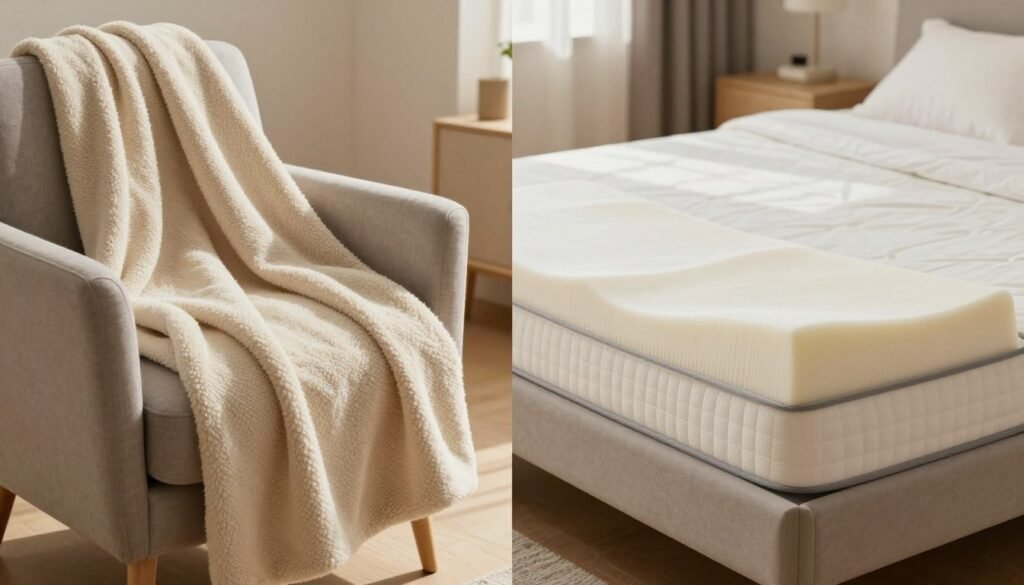
If you have back pain, a memory foam surface is a great choice. It helps people who toss and turn due to joint discomfort or poor support.
A weighted blanket works best for those with anxiety or ADHD. The added weight helps the body produce calming hormones like serotonin.
This blanket is a must-have for anyone dealing with high stress levels. The correct weight makes you feel like you are receiving a gentle hug.
Cost Comparison
The price of these items varies based on their size and quality. Memory foam mattresses usually cost between $500 and $3,000, making them a major investment.
Toppers are a cheaper way to get support, usually ranging from $100 to $500. This blanket accessory is generally more affordable than a whole new bed.
A basic YNM blanket starts around $101.98 for an insert and cover. Premium blankets, such as the Baloo with French Flax linen, can reach $348.
Most quality weighted blankets fall into the $100 to $400 range. Choosing between them depends on whether you want a long-term sleep surface or a cozy nightly addition.
| Feature | Memory Foam Product | Weighted Blanket |
|---|---|---|
| Primary Goal | Spinal Support | Nervous System Calm |
| Filling Material | Viscoelastic Foam | Glass Beads or Pellets |
| Typical Cost | $100 to $3,000+ | $100 to $400 |
| Ideal User | Back and Joint Pain | Anxiety and Stress |
Benefits of Memory Foam Products
Beyond just being soft, memory foam offers specific advantages that cater to your physical health and sleep quality. While a weighted blanket focuses on mental calm, a memory foam mattress provides the structural foundation your skeleton needs to relax. These products transform your rest by addressing physical discomfort directly.
Superior Pressure Point Relief
One of the biggest perks of this material is how it reacts to your body heat. It softens and contours exactly where your frame exerts the most force. This reduces the pressure on your shoulders and hips, which helps prevent that common morning soreness.
Spinal Alignment and Support
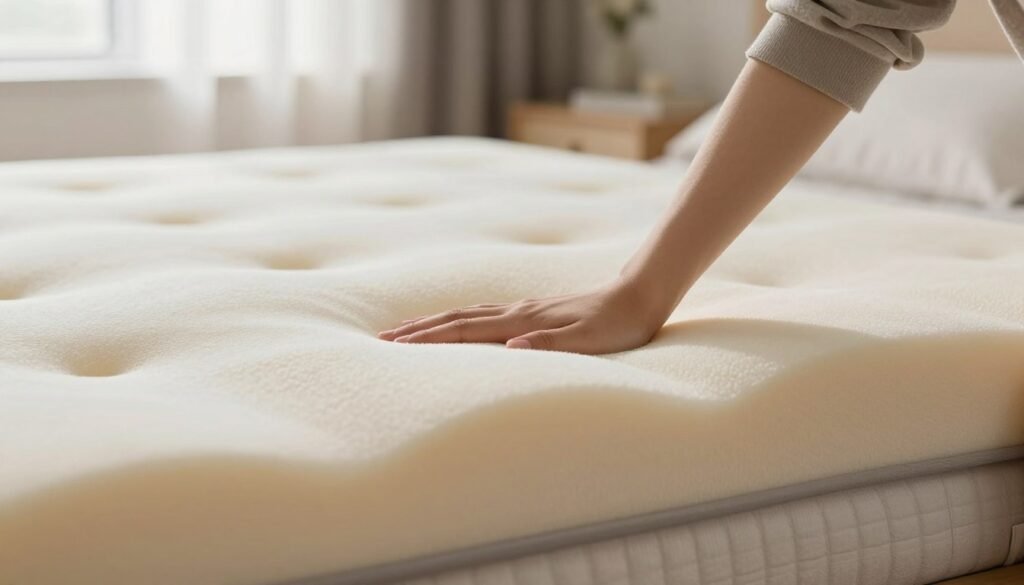
Maintaining a healthy spine is vital for all sleepers, regardless of their preferred position. The foam fills in the gaps around your waist and neck to support natural curves. This constant support helps you achieve a deep, restorative sleep every single night without tossing and turning.
Motion Isolation for Couples
If you share your bed, you know how annoying it is when your partner moves. Memory foam excels at absorbing energy so movement does not travel across the surface. This means you can stay fast asleep even if someone else gets up in the middle of the night.
Longevity and Durability
Investing in a quality foam product pays off over several years. High-density materials often last over eight years without sagging or losing their shape. Modern designs also include gel infusions to keep the mattress cool and comfortable throughout the seasons.
| Sleep Position | Main Benefit | Feature |
|---|---|---|
| Side Sleeper | Hip Relief | Contouring Foam |
| Back Sleeper | Lumbar Support | Consistent Density |
| Stomach Sleeper | Spinal Alignment | Firmer Surface |
Benefits of Weighted Blankets
Many people find that adding a heavy blanket to their bedtime routine transforms their daily rest. These items offer specialized benefits that go beyond simple warmth. They use deep pressure to help the body relax and recover from a long day.
Reduces Anxiety and Stress
Weighted blankets use deep pressure touch to release serotonin and dopamine in the brain. This process helps move your body out of “fight or flight” mode. By calming the nervous system, they effectively lower anxiety and stress levels naturally.
Helps You Fall Asleep Faster
Using a weighted blanket can increase your natural melatonin production. Melatonin is the hormone that signals to your brain that it is time to rest. You will likely find it easier to drift off and achieve better sleep without lying awake for hours.
Improves Overall Sleep Quality
Deep pressure touch helps lower cortisol, which is the primary stress hormone. Research from a 2020 study showed that users had significantly better sleep maintenance. Feeling refreshed in the morning becomes much easier when your body stays in a deep rest state.
Reduces Nighttime Movement
The extra weight makes it much harder to toss and turn throughout the night. This physical restriction encourages a more stable sleeping position. By limiting movement, the blanket helps you stay in deeper sleep stages for longer periods.
Helpful for ADHD and Autism Spectrum
Many people with ADHD or autism benefit from the consistent sensory input provided by weighted blankets. A 2008 study revealed that 63% of adults reported lower anxiety after use. In fact, 78% of participants preferred weighted blankets as their primary calming method for sensory regulation.
These findings suggest that better sleep is achievable through simple environmental changes. When you feel secure and “hugged” by your bedding, your mind can finally quiet down. This leads to a more productive and energetic lifestyle during the day.
| Benefit Type | Scientific Finding | Primary Outcome |
|---|---|---|
| Emotional Relief | 63% Reported lower anxiety | Increased relaxation |
| Hormonal Balance | Increased Melatonin & Serotonin | Faster sleep onset |
| Sleep Maintenance | 2020 Study of 120 Adults | Reduced daytime fatigue |
| Sensory Support | 78% Preferred as calming tool | Improved focus for ADHD |
Potential Drawbacks and Safety Considerations
Investigating the safety and practical limitations of these sleep tools helps you make a smarter choice for your home. While many people love the feeling of deep pressure, others might find these products uncomfortable or unsuitable. You should weigh these factors carefully before investing your hard-earned money into new bedding.
Memory Foam Disadvantages
Memory foam has transformed the bedding industry, but it still has some notable flaws. These issues often relate to how the chemical material reacts to your body heat and the environment. Understanding these hurdles helps you set realistic expectations for your new mattress or topper.
Heat Retention Issues
Traditional foam often traps body heat due to its dense structure. This can lead to a “sleeping hot” sensation that disrupts your rest during the night. Many modern brands now add cooling gels to help fix this specific problem and improve airflow.
Off-Gassing and Chemical Smell
New foam products frequently release a distinct chemical smell known as off-gassing. This odor comes from volatile organic compounds used during the manufacturing process. While it is usually harmless and disappears over time, it can be bothersome for sensitive individuals.
Higher Initial Cost
High-quality mattresses represent a significant financial investment for any household. You might pay anywhere from $1,000 to $3,000 for a premium model that offers long-term support. This price point can be a major barrier for shoppers on a tight budget.
Weighted Blanket Limitations
A heavy blanket is not a universal solution for every person struggling with sleep. There are several practical hurdles that might make them less appealing for your lifestyle. Many people find that weighted blankets require a bit of patience to master.
Not Suitable for Everyone
Some users find that weighted blankets feel too restrictive or cause feelings of claustrophobia. The sensation of being “pinned down” can actually increase anxiety for certain individuals instead of reducing it. It is important to listen to your body if the pressure feels overwhelming.
Takes Time to Adjust
Most people need a few weeks to get used to the extra weight on their limbs. You might not feel the calming benefits immediately, and your body may even feel slightly sore at first. This adjustment period is why many companies offer long trial windows for their customers.
Difficult to Travel With
If you rely on your heavy blanket for sleep, traveling can become a significant challenge. These products often weigh 15 to 25 pounds, making them too heavy for standard airline suitcases. They take up a lot of space and are simply impractical for most road trips.
Safety Warnings for Weighted Blankets
Safety should always be your top priority when introducing new sleep accessories to your family. Certain medical conditions make the use of these heavy products potentially risky. Always read the manufacturer warnings before you start using a weighted blanket every night.
Not for Children Under 3
You should never give weighted blankets to children under the age of three. Small children might get trapped under the heavy weight, which creates a serious risk of suffocation. Infants lack the strength to reposition themselves if they have trouble breathing under the fabric.
Risks for Sleep Apnea and Asthma
People with sleep apnea should avoid a weighted blanket because the extra pressure can narrow the airways. This makes it much harder to breathe during the night and can worsen your respiratory health. The same warning applies to those with asthma or chronic breathing conditions.
If you have chronic health issues, heart problems, or circulation issues, you must consult a doctor first. Some designs use glass or plastic beads that could leak if the internal pockets tear over time. Always ask a doctor about your specific conditions to ensure your bedding remains safe for your unique health needs.
| Feature | Memory Foam | Weighted Blanket |
|---|---|---|
| Primary Risk | Heat Retention | Respiratory Pressure |
| Portability | Low (Bulky) | Low (Heavy) |
| Safe for Infants | No | No |
| Adjustment Period | Few Days | 2-3 Weeks |
How to Choose the Right Memory Foam Product
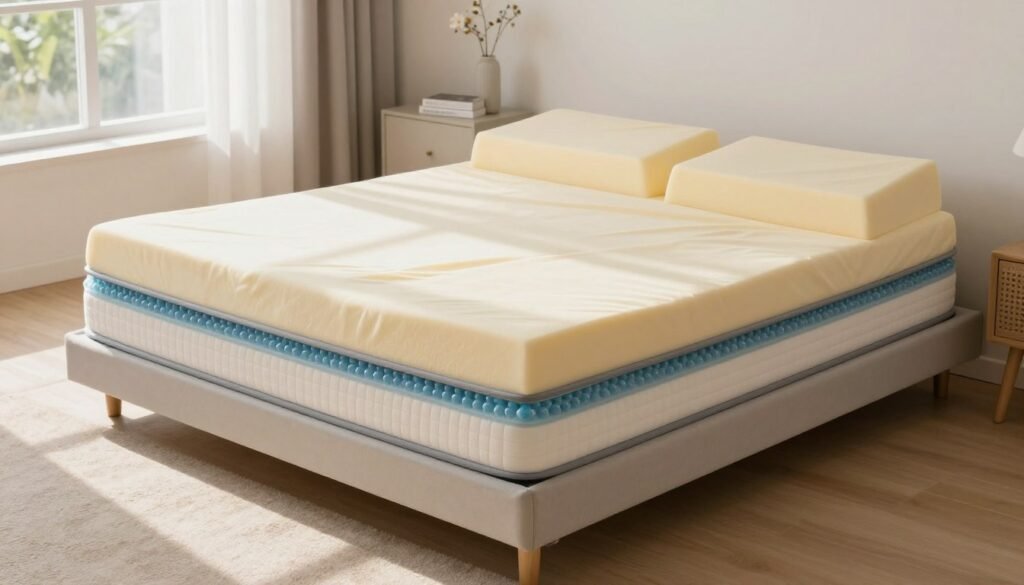
Navigating the world of foam sleep products can feel overwhelming without a clear guide on density and feel. Selecting the ideal product involves more than just picking the first soft surface you find in a store. You must consider how the weight of your body interacts with the foam to provide lasting comfort.
Since everyone has different needs, understanding the technical side of foam will help you make a smart choice. From cooling layers to trial periods, several factors determine if a product will truly improve your rest. Take your time to compare these features before you buy.
Selecting the Right Density
Density is measured in pounds per cubic foot (PCF) and dictates how the foam supports you. Low-density foam (3 PCF or less) is soft and has a much lower price, making it great for guest rooms. However, it often lacks the longevity needed for every-night use.
Medium-density (4-5 PCF) offers a great balance of support and contouring for most people. High-density foam (5+ PCF) is the best choice for heavier sleepers who need maximum durability. This foam reacts slower to pressure but provides the deepest relief for aching joints.
Thickness Considerations
The thickness of your foam layer determines how much “hug” you feel during the night. A memory foam mattress typically ranges from 10 to 14 inches in total height. Thicker models usually have more comfort layers to prevent you from hitting the hard support base.
If you are buying a topper, choose a size between two and four inches. A two-inch topper provides a subtle change in feel for a firm bed. A four-inch topper offers significant pressure relief and can make an old bed feel brand new.
Cooling Technology Options
Modern materials have come a long way in solving the heat issues of early foam designs. Manufacturers now use gel infusions that draw heat away from your skin while you sleep. These options ensure you stay at a comfortable temperature all night long.
Open-cell structures also improve airflow by creating tiny passages for heat to escape. Some brands even add copper or graphite to help move warmth away from the body. Look for a cover made from breathable cotton to further enhance these cooling features.
Budget and Quality Balance
High quality foam often requires a bigger investment, but it pays off over its 8-to-10-year lifespan. Cheap foam can sag quickly, leading to back pain and restless nights. Always look for CertiPUR-US certifications to ensure the foam is free from harmful chemicals.
Using a cotton mattress protector is a great way to keep your new foam clean and fresh. Many online brands offer sleep trials that let you test the weight and firmness of the bed for up to 365 nights. Strongly consider these trials to ensure the foam meets your specific support needs before committing.
How to Choose the Perfect Weighted Blanket
Choosing a weighted blanket requires a bit of math and an understanding of your sleep habits to get the best results. You want a product that feels like a gentle hug rather than a heavy burden.
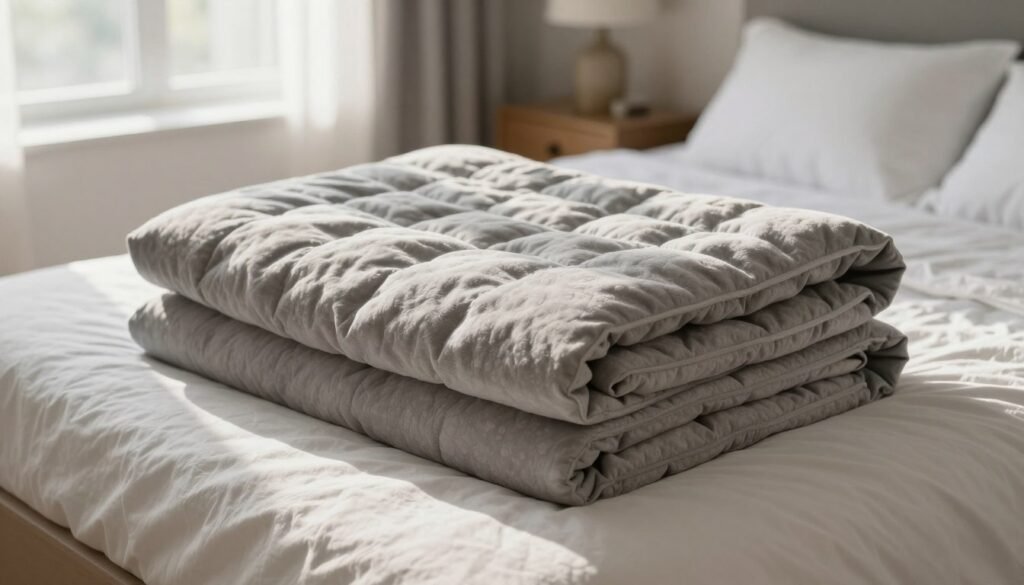
Finding the right balance ensures you receive all the therapeutic benefits of deep pressure stimulation. Take the time to evaluate the filling and dimensions before making your final purchase.
The 10% Body Weight Rule
Experts suggest that the ideal weight for these items is roughly 10% of your total body weight. While this is the gold standard, a range between 8% and 12% is quite practical for most adults.
Weight Options for Different Body Weights
Most brands sell blankets in five-pound increments, such as 10, 15, or 20 pounds. If you weigh 150 pounds, you should shop for a 15-pound weighted blanket to maximize comfort.
If you fall between two sizes, most people find that going down in weight feels much better than going up. A 12-pound option is often safer for someone weighing 130 pounds than a 15-pound version.
Choosing Based on Bed Size
Some brands like Luxome use a set weight per square foot based on your bed dimensions. This ensures the pressure remains even regardless of how much surface area the weighted blankets cover.
Selecting the Right Size
Choosing the correct size is just as vital as the heft to ensure the blanket stays centered on top of you. If the blanket is too large, it may slide off the mattress during the night.
For Individual Use
For personal use weighted blanket needs, a standard throw size, often 48″x72″, is usually the best choice. This specific size keeps the pressure on your body rather than letting it hang off the bed.
For Couples
If you plan to share, make sure to choose queen or king sizes to cover both sleepers adequately. Couples should aim for a blanket that is about 7.5% of their combined body weight for the best experience.
Understanding Filling Materials
The internal material determines how the blanket feels and sounds when you move in your sleep. Quality fillers provide a more consistent and soothing experience.
Glass Beads
Many high-end weighted blankets use glass beads because they offer excellent distribution. These glass tiny beads are quiet and provide a smooth texture that most people prefer for nightly use.
Because glass beads are so small, they do not bunch up as easily as other fillers. This makes glass a premium choice for those who are sensitive to tactile sensations.
Plastic Pellets
Plastic pellets are a cheaper alternative but can feel a bit bumpy through the fabric. They also tend to make more noise when you shift, and they are less eco-friendly than glass or ceramic beads.
Steel Shot Beads
Steel shot beads are larger and heavier than glass options. Because they are so dense, manufacturers use fewer beads to reach the target weight, making them a very cost-effective choice.
Cover Options and Temperature Regulation
The outer fabric layer affects both how you clean the blanket and how hot it feels at night. Proper heat management is essential for uninterrupted rest.
Removable vs Integrated Covers
A removable cover is a lifesaver because you can wash it without tossing a 20-pound insert into the machine. If you choose an integrated design, make sure your washer can handle the total pounds safely.
Cooling vs Warming Fabrics
Hot sleepers should look for breathable cotton or bamboo lyocell to stay cool. You should use weighted blanket covers made of cotton to ensure the beads do not trap too much body heat.
Conversely, minky or flannel fabrics are perfect for those who want to stay warm during winter. Always make sure the cover matches your local climate and personal warmth preferences.
Making Your Decision: Which One Should You Choose?
Picking the ultimate winner for your bedroom depends on your specific physical and mental needs. Selecting the right tool for your bed requires a deep look at your lifestyle. You want to wake up feeling refreshed and ready for the day ahead.
Choose Memory Foam If You Need
This material is a game-changer for those who require a stable foundation. It adapts to your unique shape, rather than making you adapt to it.
Back or Joint Pain Relief
Memory foam excels at contouring to your curves. It reduces pressure on sensitive areas like your hips and shoulders. This helps you wake up without those nagging morning aches in your joints.
Better Mattress Support
If your current mattress is sagging or old, a foam topper provides essential alignment. It keeps your spine straight all night. Proper support is vital for maintaining long-term physical health and comfort.
Long-Term Sleep Surface Investment
Quality foam lasts for years, often serving as your base for a decade. It is a smart choice for people wanting a durable foundation for better sleep. While you pay more upfront, the daily benefits justify the cost.
Choose a Weighted Blanket If You Experience
A weighted blanket serves a different purpose by soothing your nervous system. It uses gentle force to ground your body and mind.
Anxiety or Stress
The gentle weight of these blankets helps lower anxiety and stress. It feels like a firm, comforting hug from a loved one. This calming effect is perfect for unwinding after a very long day.
Difficulty Falling Asleep
If your mind races at bedtime, a blanket can ground you quickly. Many people find they drift off much faster under heavy weighted blankets. It helps your brain signal that it is finally time to rest.
Restless Sleep or Frequent Waking
These blankets minimize tossing and turning throughout the night. They are great for those who wake up constantly. Stable sensory input keeps you in a deeper state of rest for longer periods.
Why You Might Want Both
Combining these products offers the best of both worlds. You get the physical benefits of foam and the emotional comfort of a weighted blanket. Together, they create a complete sanctuary for your body and mind.
Where to Buy and What to Expect
Look for brands like Casper, Purple, or Tempur-Pedic for foam mattresses. For a weighted blanket, check Gravity, Bearaby, or YNM. They often provide helpful information about trial periods and return policies.
Most products require an adjustment period. Give foam about four weeks to feel natural. A weighted blanket might take two weeks to get used to. Always test the items during their trial period to ensure they fit your lifestyle.
| Feature | Memory Foam | Weighted Blanket |
|---|---|---|
| Primary Focus | Spinal Support | Nervous System Calm |
| Best For | Chronic Pain | Anxiety and Insomnia |
| Typical Lifespan | 7 – 10 Years | 3 – 5 Years |
| Key Advantage | Pressure Relief | Deep Touch Pressure |
Conclusion
Finding the perfect balance between structural support and therapeutic pressure is the key to better sleep. While memory foam excels at spinal alignment, a weighted blanket serves a unique role. Memory foam relieves physical pressure, but these blankets work by calming your nervous system. Many people find that using both options together creates the ultimate sanctuary for rest. This specific blanket combination addresses both the body and the mind.
Understanding how weighted blankets work involves the science of deep pressure stimulation. You should use weighted tools if you struggle with racing thoughts or daily stress. These heavy blankets provide a gentle hug that helps the brain relax and improve sleep quality. However, do not use weighted blankets for small children under age three. Always consult a doctor if you have health questions before changing your bedding routine.
The benefits weighted therapy offers are unique for every individual. When you use weighted blanket technology, remember the ten percent rule for your body weight. Choose a breathable cotton fabric cover to prevent overheating during the night. A high-quality weighted blanket often features glass beads inside the durable fabric layers. This ensures the weighted blanket remains comfortable for years.
The benefits weighted users report depend on choosing the right blanket size. We hope this information answers your questions about which blanket fits your needs. Take your time to test each blanket during trial periods. Both memory foam and weighted blankets are excellent investments for your long-term health and sleep hygiene.
How weighted blankets work is by simulating a firm, comforting hold. This blanket sensation helps people fall into a deep sleep faster. If you want to use weighted bedding, find blankets that offer a cotton cover. Ensure your weighted blanket has a soft cotton cover for extra comfort. Keep heavy blankets away from children and use weighted products safely by following the guidelines.
Many blankets are available on the market today, so pick blankets that suit your lifestyle. Most blankets provide relief, but high-end blankets last much longer. These blankets are versatile tools for any bedroom environment. Use your weight correctly to get the most from these blankets. When blankets work correctly, they transform your night. You can use weighted items to feel refreshed. Finally, weighted blankets work best when you choose the right weighted blanket for your size. Selecting the right blanket ensures you stay cozy and secure.