
Over 34 million Americans struggle with respiratory issues like asthma every day. For these families, keeping the home safe from allergens and bacteria is a top priority for long-term health. Finding the right way to clean the air can feel overwhelming when you see so many gadgets.
You might notice that an Air Purifier vs Dehumidifier can look quite similar on the shelf. However, these machines perform very different tasks to improve your indoor air environment. One focuses on removing tiny particles, while the other manages moisture levels.
The CDC suggests keeping humidity between 30% and 50% to stop mold and dust mites. High moisture can ruin your comfort, but dry air also causes problems. This guide helps you pick the best tool for your unique home needs.
Understanding how these devices impact air quality is the first step to a better lifestyle. We will look at how each unit works so you can breathe easier. Choosing the right device will help you manage the air in your room properly.
Understanding Air Purifiers and Dehumidifiers
Achieving the perfect home atmosphere requires a clear understanding of how different machines treat the air around you. While they might look similar, an air purifier and a dehumidifier perform very different jobs for your household comfort.
One focuses on cleaning what you breathe, while the other manages the wetness in the environment. Choosing the right tool depends on your specific goals for a healthy living space.
What Is an Air Purifier?
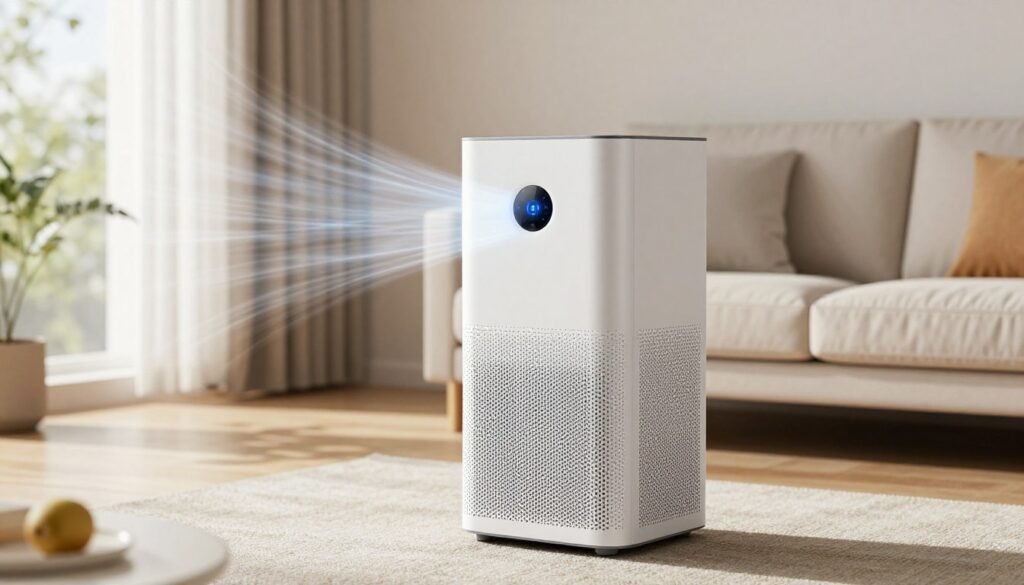
The best air purifiers for home act as a dedicated cleaning system for your indoor environment. Unlike basic HVAC units that only protect your machinery, a true air purifier targets your health.
These devices use sophisticated filters to trap tiny particles and pollutants that float through your rooms. They draw in contaminated air, capture dust, smoke, and pet dander, and then release clean breath back into the space.
A quality unit can even remove invisible threats like pollen or volatile organic compounds from new furniture. Unlike a dehumidifier, its main goal is strong filtration rather than changing the temperature or wetness of the room.
What Is a Dehumidifier?
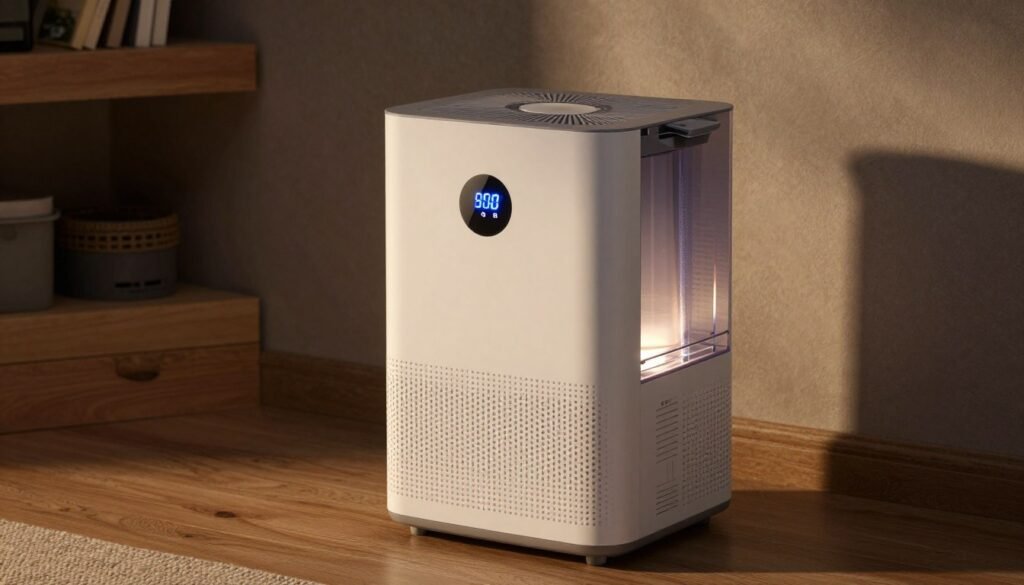
When searching for the best dehumidifiers for home, you are looking for moisture control. A dehumidifier is a specialized tool built to reduce the humidity levels in damp areas like basements or bathrooms.
It works by pulling in humid air and passing it over cold coils or desiccant material to extract water. This moisture then collects in a tank or flows out through a drain line.
By keeping the air dry, you stop mold and mildew from growing on your walls. Lowering the humidity also makes it hard for dust mites to survive. While an air purifier cleans the air, this device ensures your home stays dry and structurally sound.
How Air Purifiers and Dehumidifiers Work
Knowing the inner workings of these devices reveals why they solve different household problems so effectively. While both machines process the indoor atmosphere, they use entirely different internal components to achieve results.
One focuses on trapping microscopic debris, while the other manages water vapor. Understanding these mechanics helps you decide which technology fits your specific needs at home.
How Air Purifiers Remove Pollutants from Indoor Air
High-quality air purifiers act like a security guard for your home. They pull air through multiple layers of specialized filters to catch invisible threats.
This mechanical process ensures that pollutants do not stay in circulation. Different models use various methods to keep your breathing space clean and fresh.
HEPA Filters and Particle Removal
A hepa filter consists of many tightly woven fiberglass strands. These layers create a dense maze that traps 99.97% of particles as small as 0.3 microns.
This includes common triggers like pollen, pet dander, and dust. The hepa stamp ensures the device can even capture some bacteria and viruses effectively.
Activated Carbon Filters for VOCs and Odors
While fibers catch dust, activated carbon handles gases and smells. This carbon substrate uses a process called adsorption to bond with chemical molecules.
It effectively locks away volatile organic compounds (VOCs) and smoke. Using these filters ensures your home smells clean without the use of heavy perfumes.
UV Light and Ion-Emitting Air Purifiers
Some purifiers use UV-C light to damage the DNA of microorganisms. This prevents germs from reproducing in your living space.
Ion-emitting systems charge particles so they stick to walls or floors. Always look for certifications to ensure these units do not produce harmful ozone.
How Dehumidifiers Control Humidity Levels
Most dehumidifiers focus on balancing the humidity in a room. They do not clean the environment but rather extract moisture to prevent mold growth.
By removing water from the atmosphere, these machines protect your furniture and health. They are essential for basements or very damp climates.
| Technology Type | Primary Goal | Best Environment |
|---|---|---|
| HEPA Purifiers | Remove Allergens | Dusty Bedrooms |
| Refrigerative | Lower Humidity | Damp Basements |
| Desiccant | Extract Moisture | Cold Garages |
Refrigerative Dehumidifiers
Refrigerative dehumidifiers work much like a standard refrigerator. They draw humid air over very cold internal coils.
This causes moisture to condense into water droplets that fall into a tank. The machine then warms the air back up before releasing it into the room.
Desiccant Dehumidifiers
These units use a rotating wheel filled with a moisture-absorbing material. It acts like a sponge to pull dampness out of the air.
Internal heaters then dry the material so it can continue to work. These models are highly effective in cooler spaces where traditional coils might freeze.
Air Purifier vs Dehumidifier: Key Differences
You might think these two gadgets do the same thing, but they actually solve very different indoor problems. Choosing between a purifier dehumidifier setup or a single unit depends on your specific needs. Understanding how each impacts your home humidity and comfort is the first step to success.
Primary Functions and Target Issues
The fundamental difference lies in their purpose. An air purifier dehumidifier comparison shows that purifiers actively remove harmful pollutants from your breathing space. They use specialized filters to trap particles like dust, pollen, and pet dander.
On the other hand, dehumidifiers focus on managing high humidity levels. They extract excess moisture from the air to keep your home dry and comfortable. While one cleans the air, the other dries it out to prevent structural damage.
| Feature | Air Purifier | Dehumidifier |
|---|---|---|
| Main Action | Filters airborne particles | Removes excess moisture |
| Best For | Allergies and smoke | Dampness and mold |
| Key Component | HEPA or Carbon filters | Refrigerant or Desiccant |
Impact on Indoor Air Quality
Both devices help improve your overall air quality, but they do so in unique ways. Air purifiers physically grab particles as small as 0.3 microns. This results in high quality breathing air that is free from smoke and odors.
A dehumidifier improves the quality of your environment by controlling mold growth. By reducing moisture, it creates a space where dust mites and fungi cannot thrive. It does not filter the air, but it keeps it from becoming a breeding ground for germs.
What Each Device Cannot Do
It is important to know the limits of your air purifier dehumidifier choice. An air purifier will not change the dampness in your basement or stop mold from growing on wet walls. It only captures spores after they are already floating in the air.
Likewise, a dehumidifier cannot remove smoke, traffic fumes, or pet dander from your room. It lacks the dense filters needed to trap microscopic particles or chemical vapors. Choosing the wrong tool will leave your specific air quality issues completely unsolved.
Benefits of Air Purifiers and Dehumidifiers
Investing in the right appliance can transform your living space into a healthier sanctuary for you and your family. Both devices offer unique advantages that improve your daily comfort levels. Knowing these specific perks helps you decide which machine fits your lifestyle best.
Air Purifier Benefits for Your Home
Using an air purifier in your home significantly cuts down on common allergens like pollen and pet dander. These devices work by filtering the air to remove tiny particles that often trigger asthma attacks or seasonal allergies. By capturing these irritants, the machine helps you breathe much easier throughout the day.
Many users find they get much better sleep when their environment is clean and free from airborne contaminants. Additionally, HEPA-equipped models protect you from wildfire smoke and traffic pollution that occasionally seeps indoors. This is especially helpful for those who live in busy urban areas or regions prone to seasonal fires.
If you struggle with smells from cooking or pets, an air purifier with carbon filters effectively neutralizes those odors. This process improves the overall air quality in your bedroom or living room. It ensures that the atmosphere stays fresh and inviting for your guests and family members.
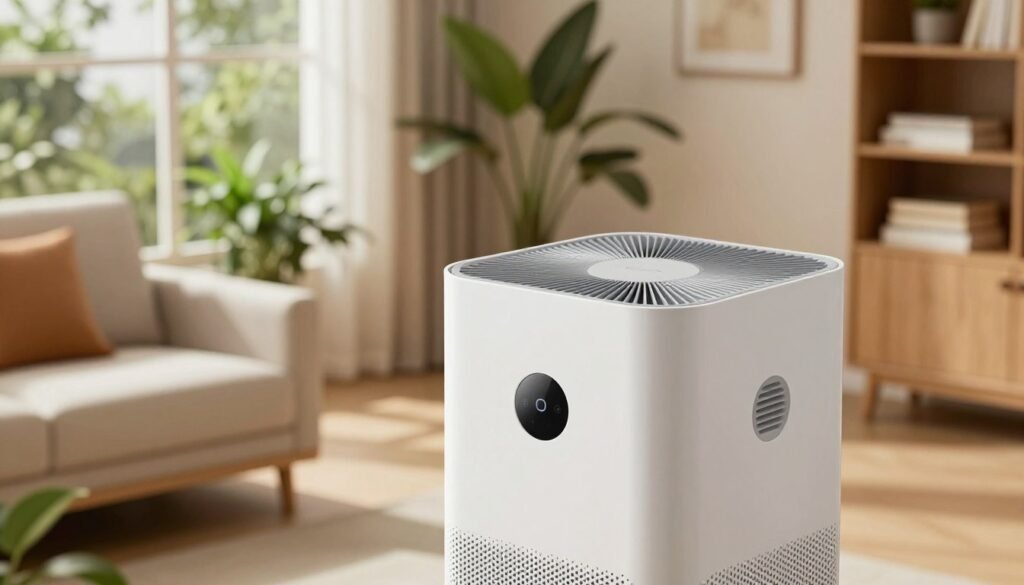
Dehumidifier Benefits for Your Home
A dehumidifier helps maintain a high quality of life by removing excess moisture from the air. This makes your home feel much cooler and more comfortable during hot, sticky summer months. It also reduces the strain on your air conditioning system by lowering the heat index indoors.
By controlling humidity, you directly support your respiratory health and prevent the growth of harmful mold. Keeping humidity levels below 50% is essential to stop dust mites from breeding in your carpets or bedding. This creates an environment where common triggers for lung irritation cannot thrive easily.
Preventing mold and mildew also protects your furniture, clothing, and walls from structural damage. A reliable dehumidifier is a powerful tool for stopping mold before it starts to spread. Ensuring that your indoor air stays dry helps preserve your property and maintains a fresh-smelling living space.
| Feature | Primary Benefit | Main Target |
|---|---|---|
| Air Purifier | Cleaner Air | Dust, Smoke, Pollen |
| Dehumidifier | Moisture Control | Mold, Mildew, Humidity |
| Combined Use | Total Comfort | All Irritants |
When to Choose an Air Purifier vs Dehumidifier
To pick the right machine, you must first identify the invisible issues lurking in your living spaces. While both devices improve your comfort, comparing air purifiers dehumidifiers reveals they serve very different roles. Deciding which dehumidifier or filter-based unit you need depends entirely on the quality of your indoor air.
Identifying When to Use a Purifier
You should opt for a purifier if your primary goal involves cleaning the atmosphere of microscopic particles. Modern air purifiers are essential if you share your home with pets that shed dander or if family members smoke. These units work tirelessly to trap invisible threats that a standard vacuum might miss.
They are also a vital tool for anyone suffering from seasonal allergies or asthma. Quality air purifiers capture pollen, smoke, and fine dust before they reach your lungs. By removing these triggers, you can reduce respiratory irritation and breathe much easier every day.
A high-quality purifier also targets VOCs and odors that linger after cooking or cleaning. If you live near a busy road or in an area prone to wildfires, this device creates a safer environment. Using air purifiers ensures the air remains crisp, clean, and free from common household toxins.
Identifying When to Use a Dehumidifier
The right dehumidifier is necessary if you notice your indoor humidity levels are consistently high. Many homes face issues with dampness, which often shows up as visible condensation on windows. If your skin feels uncomfortably sticky while indoors, it is time to manage the water vapor in your space.
Effective dehumidifiers remove moisture to prevent the growth of mold and mildew on your walls. By controlling excess moisture, you make your home less attractive to pests like dust mites. This protection is crucial for maintaining the structural integrity of your property and your personal health.
A dehumidifier is also vital if your house smells musty or if you have experienced recent water damage. Reducing excess moisture prevents bacteria from thriving in damp corners or crawl spaces. Keeping your relative humidity in check ensures your living space remains dry and comfortable year-round.
Ideal Locations for Your Devices
Placement matters when choosing between air purifiers dehumidifiers for the best results. You should consider the specific needs of each room before setting up your equipment. Understanding the benefits of purifiers dehumidifiers helps you maximize their efficiency in different parts of the house.
| Device Type | Best Room Placement | Primary Target |
|---|---|---|
| Air Purifier | Bedrooms & Living Rooms | Dust, Pollen, Smoke |
| Dehumidifier | Basements & Bathrooms | Moisture, Mold, Dampness |
| Both Devices | Kitchens & Nurseries | Odors, Humidity, Particles |
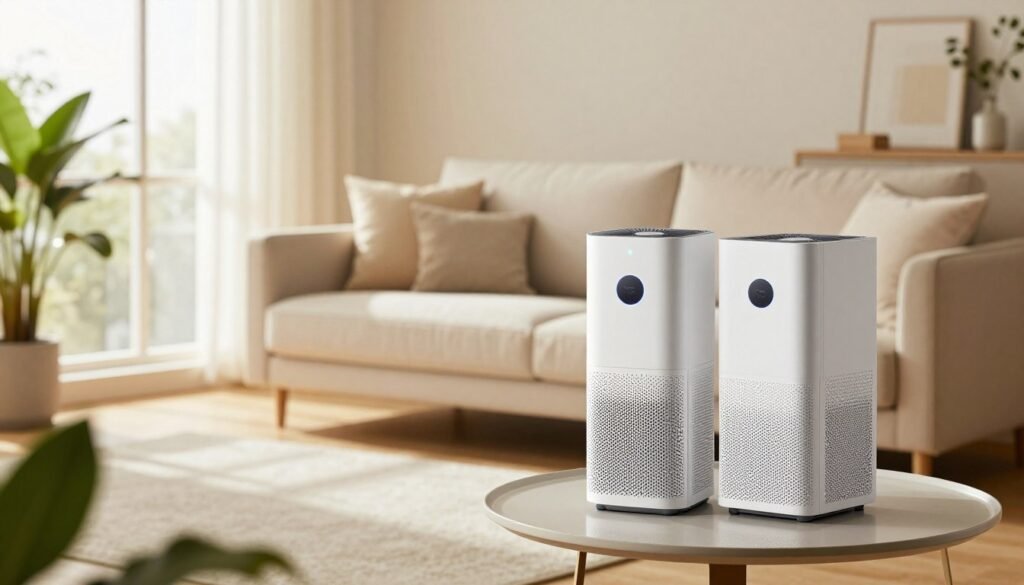
Place your purifier in the bedroom to improve sleep quality by cleaning the air throughout the night. Living rooms are also great spots because they often collect the most dust and pet dander. Every room where people spend significant time deserves a dedicated purifier to manage humidity-neutral pollutants.
Conversely, dehumidifiers work best in naturally damp areas like basements or laundry rooms. Your dehumidifier should live in spaces with poor ventilation where moisture tends to collect. Many homes benefit from using air purifiers in sleeping areas while keeping a unit to pull water from the air in the crawl space.
Health Benefits and Indoor Air Quality Improvements
When you focus on your home’s atmosphere, you are essentially investing in long-term wellness for everyone inside. Boosting your indoor air quality does more than just clear the air; it creates a space where your body can truly rest and recover.
A cleaner environment leads to better sleep and more energy throughout the day. By choosing the right tools, you can actively protect your family’s health from invisible threats.
Reducing Allergies and Asthma Symptoms
Using an air purifier can significantly change your daily life if you struggle with allergies asthma. These devices use hepa technology to capture 99.97% of tiny airborne particles like pollen, dust, and pet dander.
By removing these pollutants, the purifier prevents them from entering your lungs and triggering a reaction. Many purifiers also include carbon filters to neutralize chemical irritants that make allergies asthma symptoms worse.
This comprehensive approach helps keep your air clean. It ensures that pet hair and dust do not linger in the rooms where you breathe the most.
Preventing Mold, Mildew, and Bacteria Growth
A dehumidifier is your best defense against mold and mildew in damp areas. High humidity levels over 60% allow mold spores to establish a colony and spread quickly through your home.
While the device doesn’t kill existing mold, it removes the excess moisture that fuels its growth. This is vital because bacteria and viruses also thrive in moist, warm spaces.
Reducing the moisture level can lower your risk of respiratory infections significantly. Keeping your home dry stops bacteria from multiplying and prevents mold from returning after cleaning.
Controlling Dust Mites and Other Allergens
Microscopic dust mites are common allergens that love to live in your bedding and carpets. These mites need a high humidity environment to survive and reproduce effectively.
By using a dehumidifier to keep the air dry, you make your home inhospitable for these pests. This simple change reduces the airborne waste products from mites that often cause sneezing.
When mites cannot thrive, the total load of allergens in your dust drops. This creates a much safer space for those sensitive to airborne triggers.
Using Both Devices Together for Maximum Benefits
Using an air purifier alongside a dehumidifier provides a powerful two-prong approach. One purifier removes the pollen and dust, while the other controls the humidity to prevent mold growth.
This combination ensures the best quality for your indoor air. It helps manage allergies by addressing both active particles and the conditions that allow mold to grow.
Maintaining an optimal level of dryness while filtering the air offers the ultimate protection. Your home becomes a true sanctuary against pollutants.
| Indoor Issue | Air Purifier Role | Dehumidifier Role |
|---|---|---|
| Pollen and Pet Dander | Captures particles directly from the air | No direct effect on these particles |
| Mold and Mildew | Traps floating mold spores | Prevents spores from starting new growth |
| Dust Mites | Removes floating dust and waste | Kills mites by lowering humidity |
Conclusion
While they might look alike, an air purifier and dehumidifier solve very different problems in your home. Each device tackles a unique aspect of indoor air quality to keep your family comfortable. One focuses on removing airborne dust and allergens, while the other manages excess moisture.
If you struggle with sneezing or odors, a purifier is the best air cleaner for you. This air purifier traps tiny particles that float through your living space. It creates a healthier environment where you can breathe easily and maintain high health standards.
On the other hand, if you see mold on the walls, you need a dehumidifier. This machine lowers the humidity level to stop fungal growth. Reaching the right moisture level is essential for protecting your property and your air.
Many homes actually benefit from using purifiers dehumidifiers together. Using an air purifier dehumidifier combo ensures your air quality is perfect. High humidity levels can make air purifiers work harder, so keeping a dry space helps every purifier last longer.
Managing levels of pollutants and water vapor together creates a premium quality of life in your home. You can stop mold and catch microscopic particles at the same time for total protection. Investing in these dehumidifiers and air purifiers is a smart move to prevent mold-related issues.
Please monitor the air in your rooms before buying your next unit. Start with the air purifier or dehumidifier that fixes your biggest problem. Both dehumidifiers and purifier tools provide a better space, so consider adding a second purifier later for complete well-being.