
Choosing the right tool for your morning brew can be a tough call. This choice often affects your daily routine and overall kitchen functionality by changing how you heat water each day.
Welcome to our guide for tea enthusiasts and coffee lovers alike. Whether you are upgrading your kitchen or just starting out, we are here to help you navigate these options.
Both kettles serve a fundamental purpose, yet they accomplish this task through different methods. We will explore everything from historical origins to modern performance metrics to see what fits your life.
An electric kettle offers speed and ease at the touch of a button for busy mornings. Meanwhile, a classic stovetop kettle brings a sense of tradition and style to your home.
These diverse kettles involve considerations like counter space, budget, and aesthetic preferences. Our look at these kettles will help you pick the best one for your specific cooking habits.
By the end, you will have the information needed to pick the right tool for your needs. Let’s dive into how these tools heat your water so you can start your day with total confidence.
What Makes Kettles Essential in Every Kitchen
Few appliances are as recognizable or as vital to a modern kitchen as the humble kettle. This versatile tool has been serving up hot water in a typical home since the Bronze Age around 3500 BC. Its enduring presence shows how important kettles are to human history.
Today, we use these tools for more than just a quick cup of tea or coffee. They provide a comforting ritual through the whistle of a stovetop model or the satisfying click of an electric version. These small moments offer a much-needed pause in our busy lives.
The versatility of kettles in a modern kitchen is truly impressive. You can quickly prep instant noodles, make oatmeal, or heat water for various cooking tasks. They help you save time and energy, making them more efficient than most other heating methods.
In our fast-paced world, being able to boil water fast is essential. A reliable kettle helps you maintain a smooth routine from the moment you wake up. Whether you are brewing coffee or tea, these kettles remain the ultimate kitchen superstars.
- Time-Saving: Heat water faster than using a microwave or a pot.
- Versatile Use: Perfect for everything from instant meals to craft beverages.
- Daily Rituals: Enjoy the classic sound and warmth of a fresh brew.
The Fascinating History of Kettles
While many think of the kettle as a modern convenience, its origins actually date back to the same era as the invention of the wheel. This ancient tool has evolved through centuries of innovation to become the kitchen staple we know today.
From 3500 BC to the 18th Century: Traditional Kettle Design
The Bronze Age around 3500 BC marked a turning point for humanity with the birth of the first water-heating vessels. These early items showcased a surprisingly advanced design, featuring the iconic gooseneck spout and an easy-to-use lid.
By the 18th century, European households primarily used heavy iron kettles for their durability over open flames. American cowboys in the 19th century later preferred lightweight copper versions for life on the trail.
Traditional kettles historically relied on four essential parts to ensure safety and efficiency:
- Open lid: Allows for quick refilling and steam release.
- Top handle: Positioned specifically to reduce the risk of burns.
- Curved spout: Funnels hot water for a controlled, steady pour.
- Heat-resistant materials: Metals that survive intense open flames.
The Electric Kettle Revolution: 1891 to Present Day
The year 1891 introduced the first plug-in electric kettle, though it was far from perfect. This early version used two separate compartments and required a long twelve-minute wait for water to boil.
In 1920, the Swan Company revolutionized the market by creating a submersible heating element. This breakthrough allowed for faster boiling times because the heat source sat directly inside the water.
| Era | Primary Material | Heat Source |
|---|---|---|
| 18th Century | Cast Iron | Open Hearth |
| 19th Century | Polished Copper | Stovetop/Fire |
| Modern Day | Stainless steel | Electricity |
By 1945, electricity reached most American homes, and the electric kettle soon replaced stovetop models for daily use. While modern versions provide speed, many people still appreciate the classic stovetop kettle for its simple reliability. Choosing between them often depends on whether you value high-tech speed or traditional kitchen charm.
How Electric Kettles Work: The Science Behind Fast Boiling
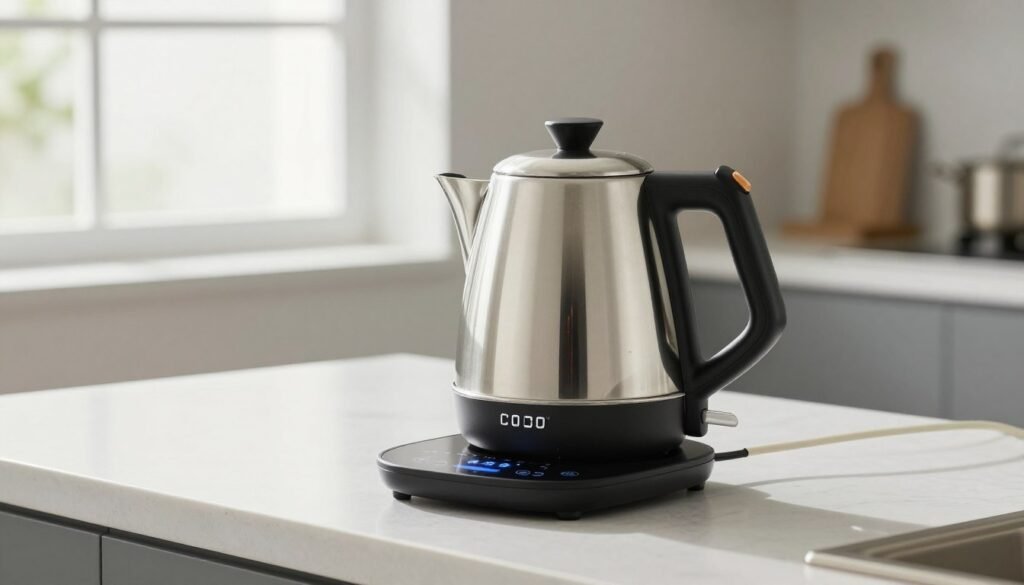
The engineering hidden inside your kitchen countertop appliances is actually quite impressive and clever. Understanding how these gadgets function helps you appreciate why electric kettles are so efficient at their job. This simple process relies on direct energy transfer to save you time every morning.
The Internal Heating Element and Coil System
Inside most electric kettles, you will find a specialized heating element. This element is usually a metal coil made from resistant materials designed to convert electricity into intense thermal energy.
When you flip the switch, a large electrical current flows through the coil. The resistance of the metal causes it to generate heat rapidly. This thermal energy transfers directly to the liquid surrounding the coil for maximum speed.
Thermostat Technology and Auto Shut-Off Features
Modern heating requires precision to ensure the perfect cup of tea. An internal thermostat continuously monitors the water as it gets closer to boiling.
Once the water reaches the optimal temperature of 212°F, the electric kettle automatically cuts the power. This safety feature prevents the device from boiling dry and saves a significant amount of electricity. It offers a “set it and forget it” convenience that many busy homeowners love.
Why Electric Kettles Boil Water Faster
Standard electric kettles win the speed race because they lose very little energy to the surrounding air. The direct contact between the heating element and the liquid eliminates the need to heat a heavy stove burner first.
These appliances are also well-insulated to keep the heat exactly where it belongs. This combination of smart design allows you to boil water with roughly 80% energy efficiency. You get your favorite hot beverage faster while using less power than a traditional stovetop model.
How Stovetop Kettles Work: Traditional Heating Methods
High-quality lifestyle photography of a polished stainless steel stovetop kettle with a whistle, sitting on a modern gas stove with a soft blue flame, steam rising from the spout, warm kitchen lighting, 8k resolution.
Understanding how a stovetop kettle operates reveals the simple beauty of traditional thermodynamics. These stovetop kettles use a direct yet less efficient heating method compared to electric models.
While electric models plug into the wall, the traditional option relies on external energy. This method involves a slower process where the vessel itself must get hot first.
Heat Transfer from Stove to Water
Whether you use a gas flame or an electric burner, the stove produces intense heat. This energy must first warm the metal body of the stovetop before reaching the water.
Since the stove is an indirect source, some energy from the gas burner escapes into the air. This makes stovetop kettles roughly 70% energy efficient in a standard kitchen environment.
The Whistling Steam Release Mechanism
As the water reaches a boiling point, it creates significant steam pressure inside the basin. This pressure forces air through a small spout opening to produce a high-pitched sound.
The iconic whistle serves as a practical alert system for busy people while the stovetop kettle is boiling. This nostalgic feature allows you to focus on other tasks until your tea is ready.
Material Choices: Stainless Steel, Copper, and Iron
Most modern stovetop designs use stainless steel because it resists rust and corrosion. This steel choice is highly durable and does not change the flavor of your drink.
Professional chefs often choose these stovetop kettles for their longevity on any stove surface. Other stovetop options include copper for excellent conductivity or cast iron for superior heat retention.
Electric Kettle vs Stovetop Kettle: Head-to-Head Comparison
While both kettle types fulfill the same basic task, their performance differences in speed and precision can impact your daily satisfaction. Choosing the right tool depends on your personal priorities for boiling and ease of use in a busy kitchen.
Boiling Speed: 3-5 Minutes vs 5-10 Minutes
The most obvious contrast lies in how long you wait for your first cup. Typically, electric kettles heat water in just 3 to 5 minutes, which is much faster than traditional heating methods.
Real-World Boiling Time Tests
Recent tests show clear differences in performance. When heating 1 liter of 68.7°F liquid, an electric kettle finished in 4 minutes and 10 seconds. The stovetop kettle took 6 minutes and 34 seconds for the same task.
For larger amounts, like 1.7 liters, the electric model saved nearly 4 minutes of time. This makes it the clear winner for those who need their tea or coffee in a hurry.
The secret is the direct contact between the element and the liquid. This design allows the electric kettle to boil water without wasting heat on the surrounding air. Many electric kettles also feature thick walls to keep the heat inside.
Energy Efficiency: 80% vs 70% Performance
Using less energy is a priority for many modern households. Electric kettles offer roughly 80% efficiency, making them a smart choice for people who use them frequently throughout the day.
How Energy Loss Occurs in Each Type
A stovetop loses energy because the burner heats the kitchen air as much as the pot. Stovetop kettles struggle to contain that heat within the metal vessel, as it escapes from the sides and bottom.
Long-Term Cost Savings Analysis
Saving 10% on energy may seem small at first. However, if you boil water multiple times a day, those pennies add up. You will likely see lower utility bills over the years compared to using a gas or electric burner.
Temperature Control and Brewing Precision
Precision is the key to a perfect cup of tea or coffee. High-end electric kettles often feature variable settings to hit a specific temperature for advanced brewing.
Variable Temperature Settings for Different Beverages
You can select exactly 160°F for green tea or 195°F for your morning French press. This level of temperature control prevents you from scorching delicate leaves and helps extract the best flavor notes.
Limitations of Stovetop Temperature Management
Managing heat on a stovetop requires a lot of guesswork or a separate thermometer. Most stovetop kettles only signal when they reach a full boiling state, which is often too hot for some delicate drinks.
| Feature | Electric Kettle | Stovetop Kettle |
|---|---|---|
| Boiling Speed (1L) | 4 Minutes 10 Seconds | 6 Minutes 34 Seconds |
| Energy Efficiency | ~80% Efficiency | ~70% Efficiency |
| Temperature Precision | Digital Temperature Control | Manual Whistle / Guesswork |
| Best For | Quick Coffee and Tea | Traditional Kitchen Aesthetics |
Safety Features and Considerations
Choosing the right boiling method involves more than just speed; it requires a look at the built-in protections of each product. Safety should be a primary consideration, especially in busy kitchens with children or elderly family members. Distractions happen often during morning routines, making it vital to have a kettle that protects your home from accidental burns.
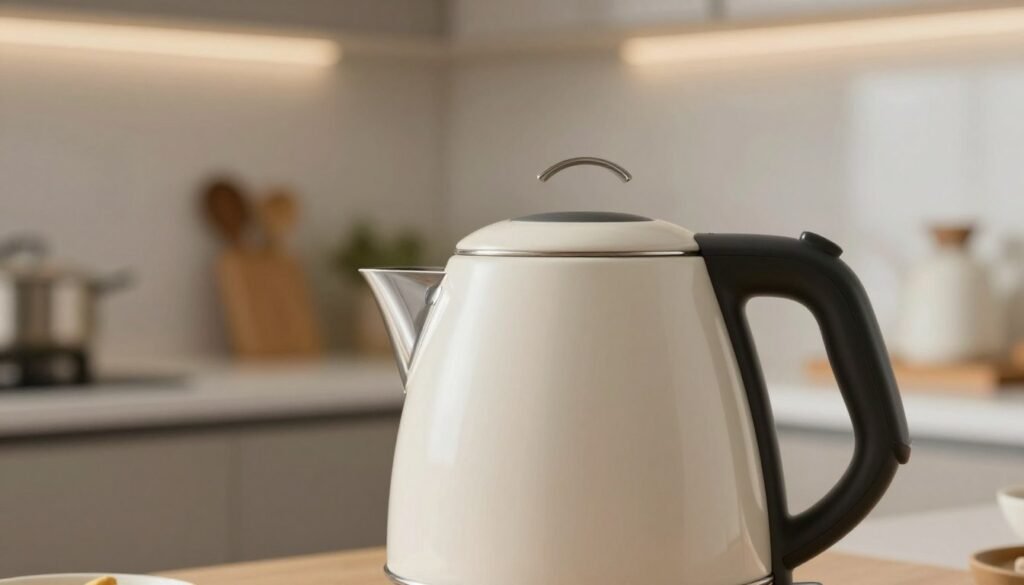
Electric Models: Auto Shut-Off and Boil-Dry Protection
Modern electric kettles come packed with advanced features to prevent common kitchen accidents. The automatic shut-off technology detects when the water reaches a rolling boil and cuts the power immediately. This prevents the unit from over-boiling and reduces the risk of electrical fires or energy waste.
Quality electric kettle models also include a critical safety mechanism known as boil-dry protection. This system shuts off the heating element if there is not enough water inside the vessel. Many new electric kettles also use cool-touch exteriors, which keep the outer surface safe for little hands to touch accidentally.
Traditional Risks: Overheating and Burn Hazards
A stovetop kettle lacks the automated systems found in modern electronic versions. If you forget it on an active burner, it can continue heating indefinitely until the liquid evaporates. This leads to the serious risk of the product warping or creating a significant fire hazard in your kitchen.
Burn hazards are also more common with traditional stovetop kettles. The metal body and handle can get extremely hot if they are not properly insulated. Users must be careful not to touch the hot burner or the steam vent when they reach for the handle.
Daily Habits for Secure Operation
Regardless of the kettle you choose, safe use depends on following a few simple habits and manufacturer guidelines. For electric kettle owners, always inspect the power cord for any signs of wear or damage. Make sure the base remains dry and keep the unit on a stable surface away from the edge of the counter.
When using traditional pots, never leave the stove unattended while the heat is active. Always use oven mitts to protect your hands from rising steam and hot metal surfaces. These simple safety habits, combined with superior built-in safety features, will keep your tea time enjoyable and hazard-free.
| Protection Feature | Electric Models | Stovetop Models |
|---|---|---|
| Automatic Shut-Off | Standard Feature | Not Available |
| Boil-Dry Protection | Built-in Sensors | Manual Monitoring |
| Exterior Temperature | Cool-Touch Options | Extremely Hot |
| Alert System | Auto-Stop/Beep | Steam Whistle |
Convenience, Design, and Practical Use>
When deciding on a new kettle, practical factors like aesthetics and convenience are just as important as boiling speed. You need a product that looks great and works well in your specific kitchen. Let’s look at how these tools fit into your daily life.
Space Requirements and Kitchen Layout
An electric kettle requires a dedicated spot on your counter and access to a power outlet. While it takes up “real estate,” it keeps your stovetop free for cooking big meals.
A stovetop kettle lives on the burner, making it a smart choice for small kitchens with tiny counters. It uses existing appliance space rather than requiring more room on the table.
Aesthetic Appeal: Modern vs Traditional Styles
The design of electric models is often sleek and minimalist. You can find them in glass, matte black, or brushed steel to match a modern kitchen. They look very professional on any countertop.
In contrast, a traditional kettle offers a rustic charm with enamel finishes and classic curves. These models feel very cozy and complement a vintage-style home perfectly.
Portability and Counter Space Management
Most electric models feature a cordless design, letting you lift the pitcher from the base. This is a great way to bring hot water directly to the table for tea.
Stovetop models stay put on the heat source until the whistle blows. This is fine if you prefer a permanent fixture on your stovetop that doesn’t need a base.
Ease of Use for Daily Tea and Coffee Preparation
For a quick morning coffee, the convenience of one-button operation is hard to beat. You don’t have to watch the pot while you get ready for work. This product automates the hard work for you.
However, some people love the way a whistling pot creates a mindful tea ritual. It’s all about what makes your tea or coffee time feel special in your kitchen. Both options offer unique convenience depending on your habits.
| Feature | Electric Kettle | Stovetop Kettle |
|---|---|---|
| Storage | Counter space & outlet | Burner or stove top |
| Mobility | High (Cordless base) | Moderate (Handle only) |
| Style | Modern and Minimalist | Traditional and Rustic |
| Daily Prep | Automatic and Fast | Manual and Mindful |
Maintenance, Cleaning, and Durability
Taking care of your boiling tools helps preserve the fresh taste of your water and extends the life of the appliance. Proper maintenance ensures your tea stays delicious and free from mineral buildup. Regular cleaning schedules prevent performance issues before they start.
Descaling and Mineral Buildup Prevention
Hard water leaves calcium and lime deposits on interior surfaces. You can remove these by filling the kettle with a solution of equal parts white vinegar and water. Let it sit for an hour or bring it to a boil, then rinse it several times to remove any smell.
Using filtered water significantly reduces the frequency of deep cleaning. This simple step keeps both types of kettles running at peak performance. Try to descale your equipment monthly if you live in an area with hard water.
Cleaning Electric Kettle Heating Elements
Many modern electric kettles hide the heating element beneath a flat metal floor. This design protects the part from damage but makes it harder to see scale buildup. You should check the bottom regularly for any white, chalky spots.
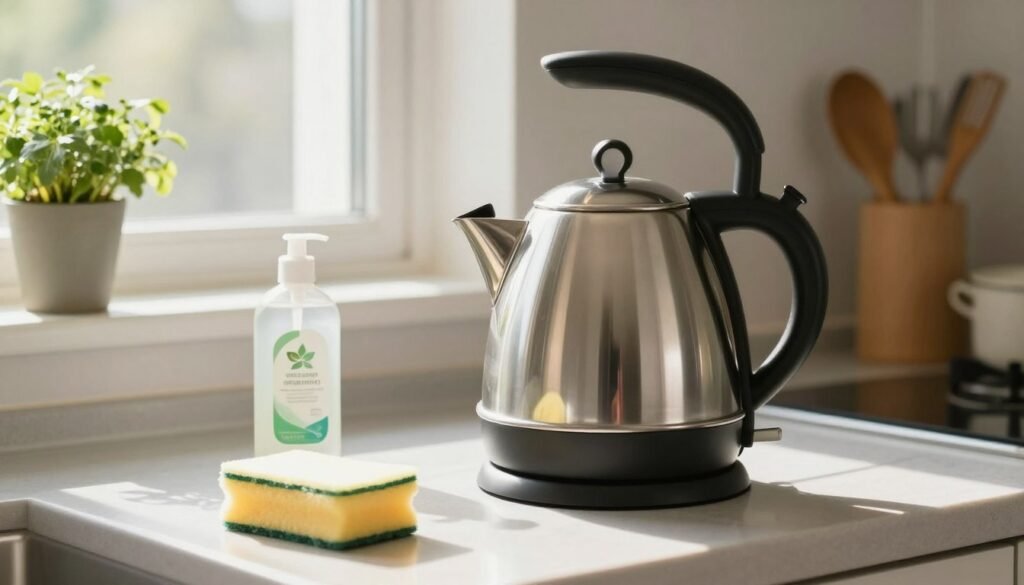
Some models include removable limescale filters near the spout for easier maintenance. If your electric kettle has a cleaning mode, use it to simplify the process. A wide lid also helps you reach inside for a quick manual scrub when needed.
Stovetop Kettle Maintenance and Longevity
A stovetop kettle is often easier to clean because the opening is wide and the interior is accessible. However, the exterior steel can discolor from high heat or gas flames. Regular polishing keeps the product looking shiny and new on your counter.
Expected Lifespan of Each Type
The durability of a product depends on its build quality and how often you use it. While an electric kettle is convenient, its internal wiring is vulnerable to water damage over time. A manual stovetop kettle usually lasts longer because it has no electronic parts to fail.
| Feature | Electric Model | Stovetop Model |
|---|---|---|
| Expected Lifespan | 4 to 6 Years | 10 to 15 Years |
| Cleaning Ease | Moderate | Simple |
| Risk Factors | Electrical Failure | Exterior Staining |
A well-maintained product provides consistent results and better safety for your family. Choose the kettles that fit your ability to perform regular upkeep. Consistent care is the best way to protect your investment for years to come.
Choosing the Right Kettle for Your Needs
After looking at the facts, your final choice depends on your daily habits. It is important to align kettle traits with your specific lifestyle needs. Everyone has a different routine that determines which model works best.
Match Your Kettle to Your Lifestyle and Usage
Consider how often you boil water daily. If you drink tea often, the speed of an electric kettle offers great advantages. Families with a busy kitchen may find this type more helpful for saving time during the morning rush.
If you have very little counter space, a stovetop kettle might be the better way to go. Think about whether your stove burners are usually free or occupied during meal times. Your kitchen layout is a major factor in this decision.
| Feature | Preference | Best Option |
|---|---|---|
| Boiling Speed | Fast | Electric |
| Storage | On Stove | Stovetop |
| Control | Precise | Electric |
Budget Considerations and Long-Term Value
Prices for these kettles can vary based on materials and tech features. Some models cost more upfront but offer better energy efficiency. At this point, consider if a specific type will save you money on utility bills over several years.
Durability is another factor to keep in mind. Quality metal units often last longer with simple cleaning. Weigh the initial price against how much you will use the item every single day.
Making an Informed Decision
To make informed decisions, prioritize speed or the traditional ritual. There are many advantages to both, so focus on what makes your routine easier. This point in your journey is about finding a product that fits your personal needs.
When you make informed choices, you get a tool you will love for years. Understanding the differences between these kettles helps you pick the perfect one for your home.
Conclusion
Whether you prefer a modern plug-in or a classic whistle, the most suitable kettle is the one that complements your lifestyle. Both methods successfully handle boiling water, though each offers unique advantages for different environments. Selecting a high-quality kettle involves evaluating your daily preparation habits carefully.
Electric kettles lead in speed and provide advanced safety features. They are perfect for a busy home where precision brewing remains a top priority. If you value a fast cup of tea, this is a great choice for heating your water quickly.
However, stovetop kettles provide exceptional durability and a classic aesthetic. Many users enjoy the traditional ritual of water boiling on a standard stovetop. This type is excellent for a small kitchen with a gas stovetop, and this simple kettle design often lasts for decades.
At this point, reflect upon your specific needs and preferences. Both kettles provide plenty of hot water for your daily household tasks.
We are confident you will pick the right one for your morning tea ritual! These kettles are essential for your daily boiling needs and will serve you well for years to come.