
Every year, a typical six-room home collects about 40 pounds of dust. This buildup includes pet dander, skin cells, and textile fibers. Deciding between a smart machine and a manual stick tool is a common debate for modern families.
The market for a smart robot in the United States is booming. Experts predict it will reach US$4.29 billion by 2033. This trend shows a massive move toward automated cleaning solutions in busy households.
A cordless tool offers manual control for targeted cleaning tasks. It provides the immediate access needed for deep sessions that a small unit might miss. Understanding these trade-offs is essential before you buy any new gear.
These vacuums serve distinct purposes, but they can also work together. We will look at the cost and power of modern vacuums to help you choose. This guide ensures you find the right setup for your specific cleaning needs.
The Modern Vacuum Dilemma: Automation vs Manual Control
Today’s homeowners face a unique choice when browsing vacuum cleaners. You must decide between advanced types that offer different benefits for your home. Should you choose a robot vacuum that works alone or a cordless vacuum you guide manually?
Manual cleaning often takes 45-60 minutes for a full floor. This is a lot of time to spend on chores every single day. A robot handles this vacuum task on a schedule while you focus on other things.
However, some people love the direct control of a cordless model. It provides the vacuum power to reach every corner yourself. A robot vacuum offers ease, but it may miss tight spots.
Deciding which vacuum is right depends on your daily lifestyle. Effective cleaning means finding a robot or cordless tool that fits your routine.
Keeping your space tidy with modern cleaning tech has never been easier. The evolution of robot technology has changed our expectations. You must weigh the freedom of automation against the precision of manual effort.
| Feature | Robot Vacuum | Cordless Vacuum |
|---|---|---|
| User Involvement | Completely Autonomous | Fully Manual |
| Best For | Daily Maintenance | Deep Cleaning |
| Control Level | App or Voice Set | Direct Physical Grip |
What Is a Robot Vacuum and How Does It Work?
Imagine a gadget that thinks for itself while keeping your floors spotless—that is the core promise of the modern robot vacuum. These devices have evolved from simple toys into powerful tools that handle daily chores without supervision. By combining mobility with suction, they provide a consistent level of home maintenance.
Modern robot vacuums use a variety of sensors to navigate through complex floor plans. This autonomous robot relies on internal logic to determine where it has been and where it needs to go. This “set it and forget it” philosophy makes them ideal for busy families or pet owners.
Most units feature a spinning side brush that sweeps debris toward the center of the machine. From there, a high-speed brushroll lifts the dirt so the vacuum can pull it into its internal bin. This mechanical harmony ensures that even fine particles are captured during every pass.
| Feature | Core Technology | Practical Benefit |
|---|---|---|
| Pathfinding | LiDAR / SLAM | Methodical cleaning routes |
| Power Source | Lithium-ion Battery | Untethered robot vacuum mobility |
| Maintenance | Self-Emptying Dock | Hands-free vacuum ownership |
| Connectivity | Smartphone App | Remote robot vacuums control |
Autonomous Navigation and Mapping Technology
Modern units rely on a sophisticated system called SLAM (Simultaneous Localization and Mapping) to navigate your home. This technology allows the robot to build a digital floor plan as it moves through various rooms. It uses laser or camera sensors to identify walls, furniture, and other permanent landmarks.
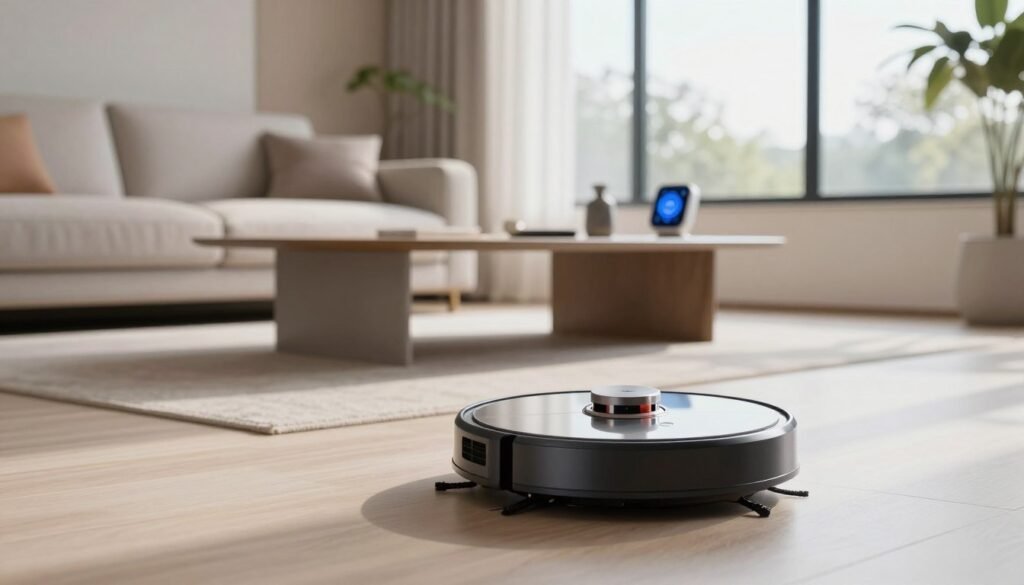
Once the map is ready, the device plans the most efficient cleaning route possible. Instead of bumping into objects randomly, it moves in straight, logical lines to ensure total floor coverage. High-end sensors also help the device detect obstacles like shoes, cables, or even pet waste.
This intelligent robot also uses cliff sensors to prevent it from tumbling down stairs. By constantly scanning the ground, it can adjust its path in real-time to avoid hazards. This level of autonomy ensures your home stays clean even when you are not there to supervise.
Self-Emptying and Docking Capabilities
When a cleaning cycle finishes or the battery runs low, robot vacuums automatically return to their charging base. They use infrared signals to find the dock and align themselves perfectly with the charging pins. This ensures the machine is always powered up and ready for the next scheduled session.
Premium units feature a base station that automatically removes dust from the small internal bin. A powerful motor in the dock sucks the debris into a larger disposable bag. This process keeps the internal filters clear and ensures the machine maintains peak suction power.
This automated operation simplifies your life because you only need to change the base bag every month or two. You rarely have to touch the vacuum itself, making the experience truly hands-free. It turns a daily chore into a task that requires attention only a few times per year.
Mopping and Multi-Surface Cleaning
Many newer models offer an integrated mopping function to handle both hard floors and rugs. These machines use small water tanks and microfiber pads to scrub away light stains and spills. Some advanced versions even wash and dry their own pads after every use.
The vacuum scrubs tile or hardwood while simultaneously picking up loose crumbs. This dual-action approach saves time and leaves your floors looking polished. It is a perfect solution for high-traffic areas like kitchens or entryways where mud often tracks in.
The robot vacuum also adjusts its suction power when it detects a transition to low-pile carpet. The robot increases its motor speed to pull dirt from deep within the fibers. This versatility allows it to move seamlessly from the bathroom tile to the living room rug without any help.
What Is a Cordless Vacuum and How Does It Work?
A cordless vacuum provides a hands-on approach to tidying up your home without the hassle of a power cable. These devices are lightweight handheld cleaners that you steer for quick, targeted pickup. Because they use internal batteries, no cord tethers you to the wall while you perform your daily cleaning.
Handheld Design and Portability
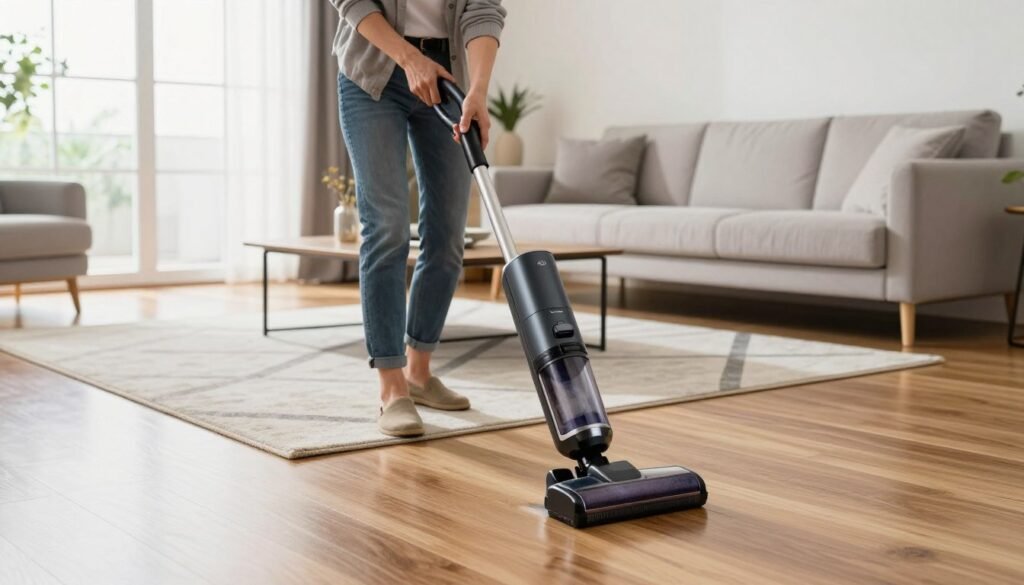
Most cordless vacuums feature a stick-style design that places the motor and controls right in your hand. This ergonomic setup includes a motorized floorhead at the bottom and a slim extension wand in the middle. Since the unit is cordless, you can move freely from the kitchen to the living room without stopping.
Because these tools usually weigh between 5 and 8 pounds, you can easily carry them up and down stairs. Many designs allow you to remove the extension wand to transform the device into a compact handheld. This makes it a breeze to reach high ceiling corners or clean out the inside of your car.
Battery-Powered Operation
The heart of this vacuum is its rechargeable lithium-ion battery, which allows for total movement freedom. On standard settings, most models offer 40 to 60 minutes of runtime for routine cleaning tasks. However, using maximum suction power for deep carpet work reduces the operation time to about 10 or 15 minutes.
This trade-off requires a bit of planning for larger homes to ensure the task is finished before the juice runs out. Users typically find that the higher suction, often ranging from 100 to 150 AW, justifies the shorter bursts of activity. It provides a level of deep cleaning that autonomous rollers sometimes struggle to match on thick rugs.
Versatile Attachments and Accessories
The true versatility of a cordless vacuum comes from its wide array of specialized tools. You can swap the main floorhead for a crevice tool or an upholstery brush to reach tight corners and soft furniture. These accessories help you manage pet hair on sofas or dust on delicate lamp shades with ease.
After you finish your chores, the unit typically hangs on a wall-mounted station for charging and storage. This keeps the vacuum out of the way while ensuring it stays topped up for the next mess. It serves as an all-in-one solution for floors, furniture, and those hard-to-reach ceiling vents.
| Feature | Specification Detail |
|---|---|
| Average Weight | 5 to 8 pounds |
| Runtime (Standard) | 40 to 60 minutes |
| Suction Strength | 100 to 150 AW |
| Storage Style | Wall-mounted cordless dock |
| Best Use Case | Manual vacuum tasks and stairs |
Robot Vacuum vs Cordless Vacuum: Head-to-Head Comparison
Finding the perfect balance between a robot vacuum and a cordless vacuum requires looking closely at how they perform in real-world settings. While both tools aim to keep your floors tidy, they serve very different roles in a modern household.
Choosing the right device often comes down to your lifestyle and how much time you want to spend on chores. Let’s break down exactly how these two cleaning titans stack up against each other.
Ease of Use and Convenience
A robot vacuum offers incredible hands-free cleaning. You can set a schedule via a smartphone app or use voice control while you relax on the couch.
These machines work autonomously, meaning they can tidy up while you are at work or even while you sleep. They excel at daily maintenance without requiring any physical effort from the user.
A cordless vacuum, however, offers immediate grab-and-go access for unexpected messes like spilled cereal. While it requires you to stand and move, it provides instant control over exactly where you want to clean.
Cleaning Performance and Suction Power
Cordless vacuums typically deliver much higher raw suction power, often measured between 100 and 150 Air Watts. This makes them the superior choice for deep-cleaning thick carpets in a single pass.
A standard robot usually delivers around 3000 to 5000 Pa of suction. While this is lower than a stick vacuum, the robot compensates by working every single day to prevent dirt from building up.
Premium robot vacuums are narrowing the gap, with some high-end models reaching impressive suction levels. However, for stubborn debris, the manual power of a handheld device remains hard to beat.
Cost and Long-Term Value
Prices vary widely based on the smart features and automation you desire. Basic robot vacuums start around $200, but advanced models with self-emptying bins can exceed $1,000.
A high-quality vacuum cordless vacuum usually ranges from $300 to $700. These are more budget-friendly upfront but do not offer the significant time-saving benefits of an automated system.
The long-term value of a robot lies in the hours of free time it gives back to you. For many homeowners, this convenience justifies the higher initial price tag.
Adaptability and Versatility
A stick vacuum is the clear winner when it comes to physical versatility. It can clean stairs, furniture, car interiors, and even high ceiling corners that a floor-bound machine cannot reach.
A robot vacuum adapts through intelligent mapping and adjustable software settings. You can program “no-go zones” via an app to keep the vacuum away from delicate areas or pet bowls.
However, a vacuum stick vacuum is better for homes with many stairs or multi-level layouts. It allows you to quickly transition from floor cleaning to dusting upholstery with various attachments.
Noise Level During Operation
Operating a robot is generally much quieter than using a traditional vacuum. Most models run at about 63.4 dBA, which is comparable to the sound of a normal conversation.
A cordless stick produces much louder sounds, especially when you use the “boost” or high suction mode. Because they are designed for quick bursts of cleaning, the noise is shorter but much more intense.
Battery Life and Coverage Area
The battery life for a vacuum cordless vacuum usually lasts between 40 to 60 minutes. If you use the highest power settings, that time can drop to a mere 15 minutes.
In contrast, robot vacuums are designed for extended autonomous operation. They automatically return to their battery charging docks and resume their path until the entire home is finished.
This “recharge and resume” ability allows a robot to cover thousands of square feet without any help. A cordless stick user might have to stop and wait for a recharge in a very large house.
Smart Features and Technology
Technology is where the robot truly shines in the modern market. These devices use LiDAR mapping and AI-powered sensors to detect obstacles like shoes or pet waste.
A cordless stick vacuum focuses primarily on mechanical performance and airflow. Beyond basic battery indicators or simple LED displays, they lack the complex software found in robot vacuums.
Maintenance and Upkeep
Maintaining a self-emptying robot is surprisingly easy for the owner. You only need to replace the large dust bag in the base station once every few weeks.
A cordless vacuum demands more frequent hands-on care. You must empty the small dustbin and clean the filters manually after almost every use to maintain peak suction power.
Both machines require periodic brushroll cleaning to remove tangled hair. However, the automated nature of modern docking stations makes the robot a lower-maintenance daily partner.
| Feature | Robot Vacuum | Cordless Vacuum | Winner |
|---|---|---|---|
| Control Type | Automatic / App | Manual / Handheld | Robot (for ease) |
| Suction Power | 3,000 – 5,000 Pa | 100 – 150 AW | Cordless |
| Noise Level | ~63.4 dBA (Quiet) | 70 – 80+ dBA (Loud) | Robot |
| Versatility | Floors Only | Stairs, Cars, Furniture | Cordless |
| Maintenance | Every 1-2 Weeks | After Every Use | Robot |
Pros and Cons: Making the Right Choice
Picking the right tool for your floors requires a clear look at what each technology offers and where it falls short. Both vacuums aim to keep your home tidy, but they serve different roles in modern cleaning. Deciding between a robot and its manual counterpart involves weighing your time against your budget.
The choice between a cordless stick and an automated disc depends on your home layout. Some users prefer the tactile feel of manual work, while others want to forget about chores entirely. Each device has specific strengths that make it a valuable addition to your household.
Robot Vacuum Advantages
Truly hands-free operation is the biggest draw for busy homeowners. You can set a schedule and let the robot vacuum do the work while you sleep or work. These vacuums offer a stress-free way to maintain a baseline of cleanliness every day.
A robot vacuum is small enough to fit under beds and low sofas where a standard vacuum can’t reach. They provide daily cleaning that keeps allergens low and air quality high. This is a life-changing feature for people with mobility issues or busy professional lives.
Robot Vacuum Disadvantages
However, robot vacuums are not perfect tools for every situation. They cannot climb stairs and often get stuck on thick rugs or loose power cords. Most models require you to clear clutter and toys from the floor before they start their cycle.
You must also prepare the floor by picking up small items first. The higher initial price, often between $500 and $1,500, is another factor for this robot technology. They also struggle with large debris that might clog their smaller intake ports.
Cordless Vacuum Advantages
A cordless vacuum offers superior suction power for deep-seated dirt and sudden messes. These tools are lightweight and allow for immediate spot cleaning after a kitchen spill. You have total control over where the suction is directed for a more thorough result.
You can easily switch attachments to clean stairs, furniture, or even car interiors. Many robot vacuums lack this level of versatility for above-floor tasks. This manual approach ensures that every corner and crevice is perfectly dust-free.
Cordless Vacuum Disadvantages
The main drawback is the physical work and time commitment required. You must actively push the cordless unit, and the battery often lasts only 40 to 60 minutes. This can be a significant physical hurdle in very large homes.
Unlike a robot, these cordless vacuums do not work on a schedule. You have to find time in your busy day to finish the job manually. Frequent maintenance, like emptying the dustbin after every use, is also a standard requirement for these vacuums.
| Feature | Robot Vacuums | Cordless Vacuums |
|---|---|---|
| Effort Required | None (Automated) | High (Manual) |
| Reach | Under Low Furniture | Stairs & Ceilings |
| Suction | Standard | High/Turbo |
| Price | $500 – $1,500 | $200 – $800 |
Which Vacuum Is Best for Your Specific Needs?
Deciding which cleaning companion fits your life best requires matching their strengths to your home’s unique challenges. While one device might excel in a studio apartment, it might struggle in a three-story house filled with furry friends. Understanding these nuances helps you invest in the right vacuum technology.
Every household has a different rhythm and layout that dictates the best choice. Whether you prioritize total automation or manual precision, your environment holds the answer. Let’s look at how these tools perform in real-world scenarios you face every day.
Best Solution for Pet Hair and Dander
If you share your home with animals, managing pet hair is likely a full-time job. A robot vacuum provides an ideal solution for daily floor maintenance. These machines use specialized brushes to prevent hair tangles while you are away at work.
A pet owner often finds that stick vacuums are still necessary for specific tasks. While the robot keeps the floors clear, a cordless stick is required for upholstery and cat trees. This combination ensures that pet dander does not build up in areas where the automated unit cannot reach.
Best Option for Carpets and Rugs
Deep cleaning carpets requires significant suction and fiber agitation. Traditionally, stick vacuums offer superior performance on thick rugs because you can manually focus on stubborn spots. They provide the deep-cleaning power needed to pull dust from the base of the carpet.
However, many modern robot vacuum cordless models now feature high suction power of 16,000+ Pa. These are increasingly capable of handling low-pile rugs through frequent cleaning cycles. If your home has mostly high-pile carpets, a cordless stick remains the most reliable choice for a thorough clean.
Best Choice for Hardwood and Hard Floors
Hard surfaces like tile and laminate show dust and crumbs almost instantly. A robot vacuum stick hybrid approach often works well, but the robot is the star here. It offers gentle cleaning that will not scratch your delicate finishes or expensive wood.
Many automated units also include mopping functions to provide a complete care routine for floors. Because they can run every day, they prevent the gritty feeling underfoot that occurs when dust accumulates. For hard surfaces, the convenience of vacuums cordless vacuums often loses to the “set it and forget it” nature of automation.
Best for Large Homes and Multiple Rooms
Large homes present a challenge for manual cleaning due to the time and physical effort involved. A robot with extended battery life and smart mapping can cover over 10,000 square feet without human help. It simply returns to its dock to recharge and then continues exactly where it left off.
Using a cordless vacuum for such large areas can be exhausting and may require multiple battery swaps. When you look at vacuum vs. cordless manual options, automation wins for sheer coverage. It allows you to maintain a massive floor plan without spending your entire weekend pushing a machine.
| Feature | Robot Vacuum | Cordless Stick |
|---|---|---|
| Stairs | Not Capable | Excellent |
| Under Furniture | Automatic | Manual Reach |
| Deep Carpets | Maintenance | High Performance |
Best for Stairs and Furniture
There are some places where a robot simply cannot go, and stairs are the most obvious example. To keep your steps clean, a cordless stick is an absolute necessity. Its lightweight design allows you to move between levels without the burden of a heavy cord.
When cleaning stairs or delicate drapes, the attachments on stick vacuums become invaluable. A vacuum cordless model gives you the freedom to reach high corners and tight crevices. Precision is the main advantage here, as you have total control over where the suction is applied.
The Synergy Approach: Using Both Together
The most effective strategy in modern homes is often the synergy approach. This involves using robot vacuum stick technology as a team rather than choosing just one. The robot handles 90% of the routine floor maintenance automatically throughout the week.
You can then use your vacuum stick vacuum for the remaining 10% of tasks, like pet hair on the sofa. This vacuum vs. cordless debate ends when you realize they complement each other perfectly. By using both vacuums cordless vacuums and robots, you create a comprehensive system that keeps every corner of your home spotless.
Top Robot Vacuum Recommendations for 2026
If you are ready to upgrade your home cleaning routine, these top-tier robot vacuums are the gold standard for 2026. They offer features that make the robot vacuum cordless debate much easier to solve for any homeowner.
DEEBOT X11 OmniCyclone
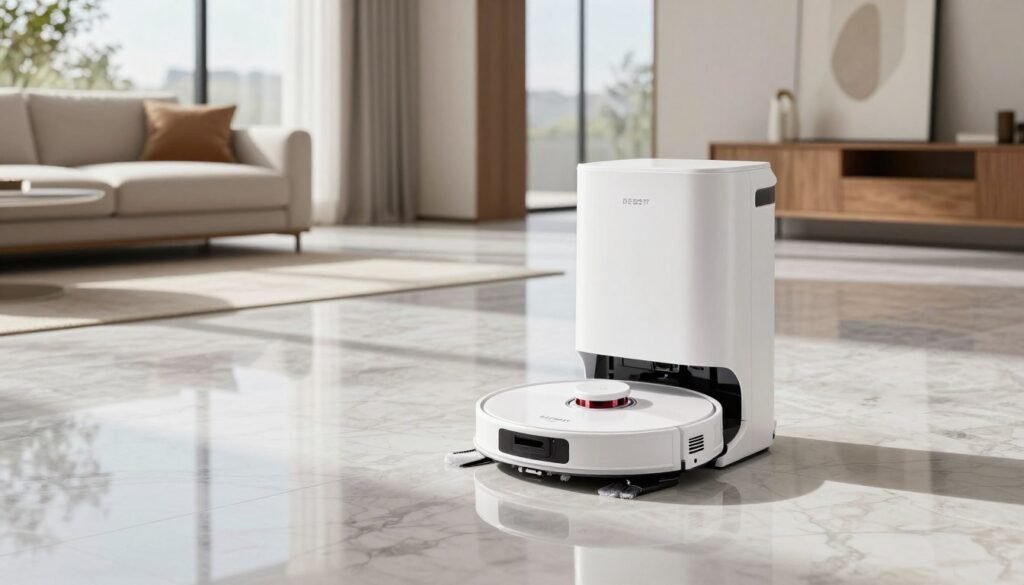
The DEEBOT X11 OmniCyclone is the flagship robot vacuum that changes everything for large households. It features a massive 19,500 Pa suction power that can easily compete with a traditional vacuum cordless model.
The OZMO ROLLER 2.0 system scrubs floors at 200 RPM and cleans itself as it works. This unique technology ensures that your floors stay sparkling without any cross-contamination during the mopping cycle.
For a pet owner, the ZeroTangle 3.0 brush prevents hair from clogging the machine. The PowerBoost technology also provides fast charging, giving you 6% power in just 3 minutes for huge areas.
The AGENT YIKO AI butler learns your preferences over time. It uses advanced reasoning to tailor a cleaning plan that fits your home perfectly every single day.
DEEBOT T80 OMNI
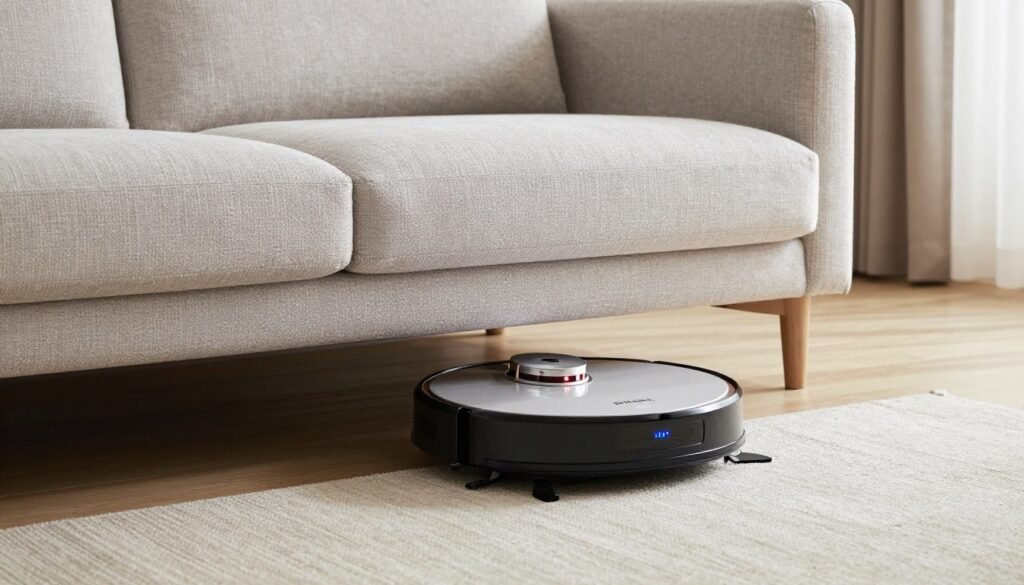
If your home has lots of low furniture, the DEEBOT T80 OMNI is the perfect robot. Its ultra-thin 3.8-inch design allows it to reach under couches where dust usually hides.
This vacuum uses AIVI 3D 3.0 technology to spot and avoid common obstacles like shoes or cables. It uses a Vision Language Model to understand your layout in real-time.
The TruEdge 3D sensors help it get incredibly close to walls and corners. You will not have to worry about it missing tight spots or getting stuck during its run.
It is also very quiet, operating at just 63.4 dBA. This allows you to run the robot vacuums while you take a nap or work from your home office.
DEEBOT X9 PRO OMNI
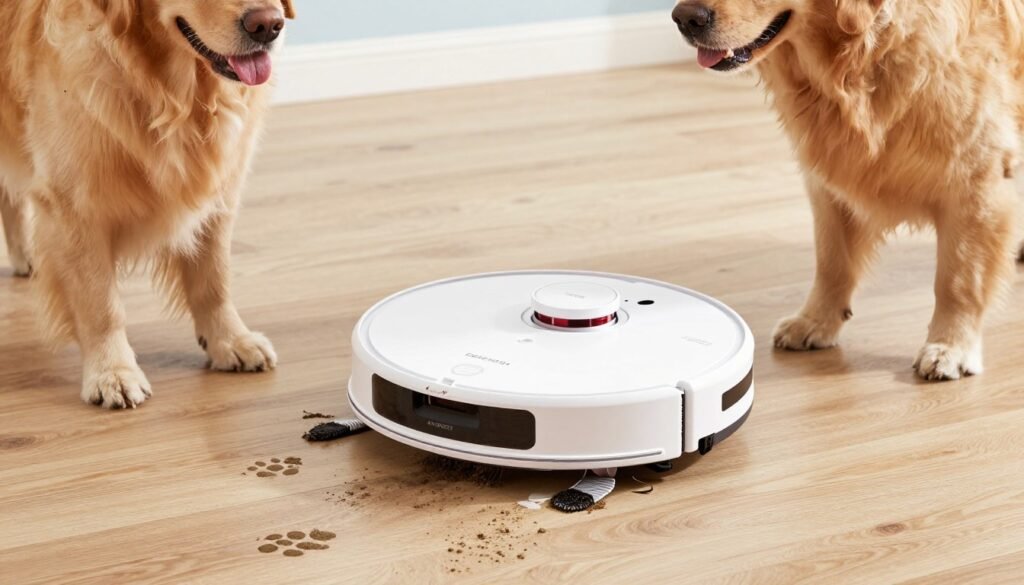
The DEEBOT X9 PRO OMNI is the ideal choice for busy families. It combines 16,600 Pa suction with BLAST technology to pull dust from every floor crack.
Its mopping system uses AI Stain Detection 2.0 to find tough spots. If it identifies a mess, it will make extra cleaning passes to ensure the floor is spotless.
The Triple Lift system keeps the wet mop away from dry floors to maintain hygiene. After the job, the OMNI station washes the mop and dries it with 145℉ hot air.
This heat prevents mold and keeps the vacuum cordless from smelling bad over time. You can even use the app to choose between 50 different water levels for custom power.
Conclusion
The final choice between automated ease and manual precision hinges on your unique household needs. Both types of modern cleaners offer amazing benefits for your home. While a robot vacuum acts as an automated helper for daily maintenance, cordless vacuums provide the versatility needed for stairs and corners.
Modern homes often see the best results when using these two options together. A robot can handle the bulk of the floor work, picking up pet hair and dust while you save time. Meanwhile, your cordless model handles specialized areas like furniture or tight spots where standard vacuums might struggle.
If you must choose just one vacuum, consider your main pain point. If you value control and need to navigate around many obstacles, the battery-powered manual vacuum is ideal. However, if you want cleaning to happen while you are away, let the robot handle the charging and routine using a quality robot vacuum or similar automated vacuums.
Investing in the right vacuums helps you reclaim your day and focus on what matters at home. These smart features ensure your living space stays healthy and fresh for everyone. Enjoy the freedom that comes with a high-quality vacuum that fits your lifestyle perfectly.
| Feature Comparison of Vacuums | Robot | Cordless |
|---|---|---|
| Cleaning Role | Daily Floor Maintenance (80-90%) | Tactical Precision (10-20%) |
| Cleaning Focus | Open Floors and Under Furniture | Stairs, Furniture, and Spills |
| User Interaction | Autonomous / Automated | Manual / Direct Control |
| Primary Benefit | Effortless Baseline Cleanliness | Maximum Vertical Cordless Reach |