
Deciding how to start your morning is a big choice for any fan of caffeine. If you want to upgrade your home setup, you might feel stuck between two popular paths. This guide helps you navigate the Coffee Maker vs Espresso Machine debate with total ease.
Traditional units use gravity to create a smooth and familiar drink. On the other hand, a high-pressure machine creates a bold and concentrated espresso shot. Both methods offer unique flavors and textures for your daily ritual.
We will explore how each device works and what they cost to maintain over time. You will learn which brewing style fits your busy schedule or your love for specialty lattes. There is no single “best” option, only the one that makes you happy.
Our goal is to provide clear steps so you feel ready to shop today. These tips will improve your routine and your love for a fresh cup of coffee. We want you to feel confident in choosing the equipment that matches your specific lifestyle.
What is an Espresso Machine and How Does It Work?
At its core, an espresso machine is a powerful tool that uses hot water and force to create an iconic Italian beverage. This specialized device forces liquid through finely ground beans to produce a concentrated drink. Unlike a standard dripper, the espresso machine relies on pressure to achieve its bold results.
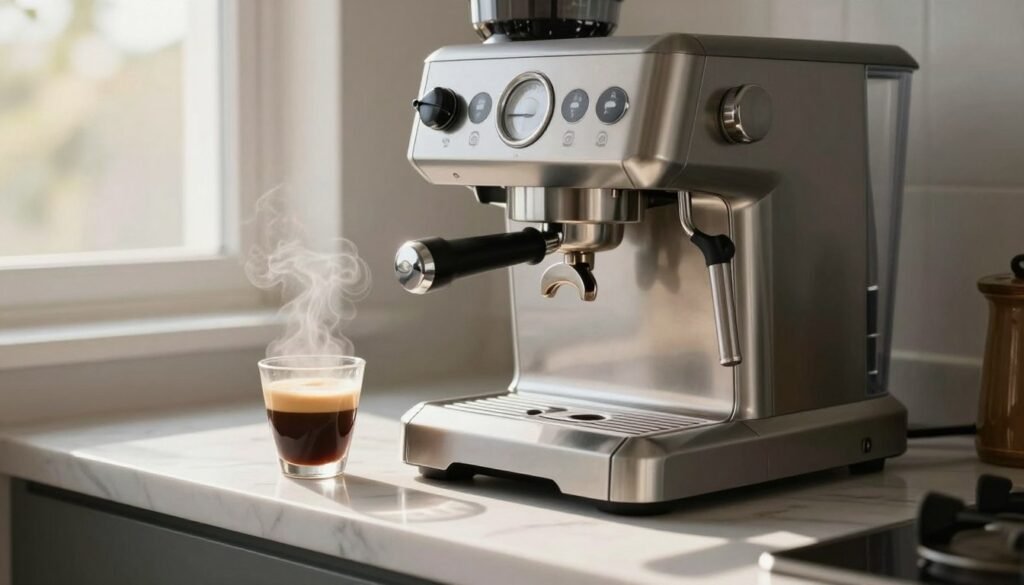
Understanding Espresso: The Italian Coffee Classic
Espresso is much more than just a strong cup of coffee. This method involves using high pressure to extract intense flavors in just 20 to 30 seconds. It serves as the vital foundation for many popular shots and drinks.
You can use a single shot of espresso to craft creamy lattes or foamy cappuccinos. Because the process is so fast, the coffee maintains a thick, syrupy consistency. This makes it a favorite for those who love a quick yet powerful caffeine boost.
Types of Espresso Machines: Manual, Semi-Automatic, and Fully Automatic
When looking for the best home espresso machines, you will find three main styles. Manual espresso machines give you total control, requiring you to use a lever to push water through the beans. These are great for purists who want to master every detail.
Semi-automatic espresso machines are very popular because they balance ease and skill. You handle the grinding, but the espresso machine manages the water pressure for you. It is a fantastic way to learn the craft without being overwhelmed.
Finally, fully automatic espresso machines do everything with a single button press. They grind, tamp, and brew your coffee automatically. This is the perfect choice for busy mornings when you want a quality drink without the work.
The Three Layers of a Perfect Espresso Shot
A perfectly pulled espresso should always look like a work of art in a glass. The bottom layer is the heart, which is a deep brown and carries the bitter notes. The middle layer, or the body, offers a caramel hue and balanced flavor.
The most famous part is the crema, the golden foamy layer on the very top. This layer traps the delicate aromas and gives the drink its signature look. Seeing all three layers ensures your espresso was brewed with the right technique.
What is a Coffee Maker and How Does It Work?
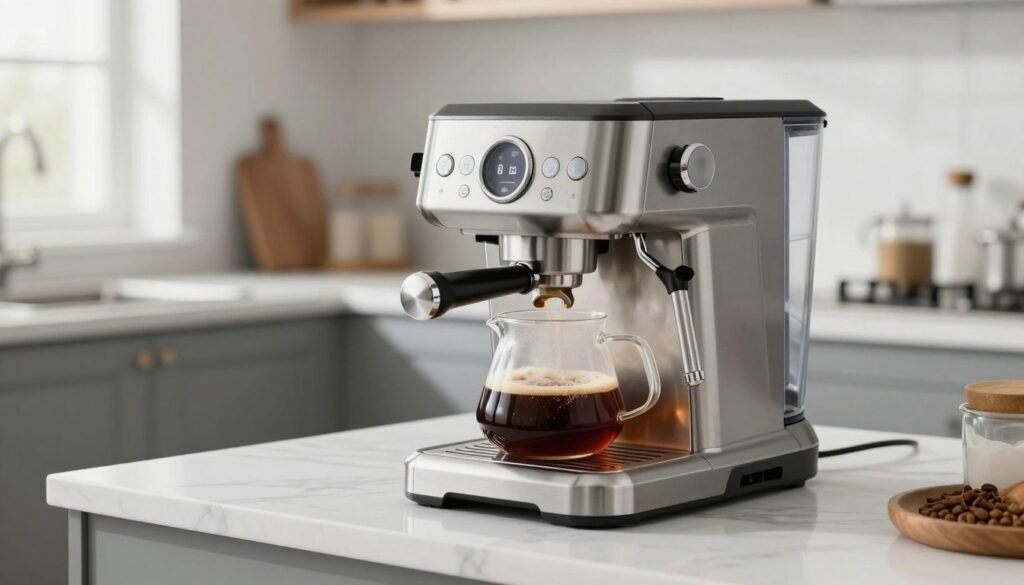
A classic coffee maker uses a gravity-based system to turn ground coffee into a warm, delicious beverage. These machines are a favorite because they provide a simple way to brew several servings at once. This type of coffee maker remains a household essential across America.
The Drip Coffee Brewing Process
The brewing cycle begins when you add fresh water to the machine’s reservoir. The maker then heats the liquid to a high temperature.
Next, this hot water travels up and showers over the ground coffee held in a filter. Using a natural drip method, gravity pulls the water through the filter.
The finished drip coffee then flows into a carafe. This process ensures a consistent and clean cup that many coffee makers produce with ease. Standard drip coffee is perfect for sharing with friends.
Can a Coffee Maker Make Espresso?
While both machines use beans, you cannot make a true espresso with a standard coffee maker. Authentic espresso requires intense pressure to create that thick, rich texture.
A drip machine relies only on gravity. It lacks the power to produce the signature crema found in specialty drinks. This drip maker is simply built for a different style of extraction.
Even with a fine grind, the result is still just strong drip coffee. For most fans, these coffee makers provide a light-bodied coffee experience. This coffee is ideal for large mugs. Many people prefer this coffee during long work mornings.
Coffee Maker vs Espresso Machine: Key Differences
While both gadgets turn beans into a drink, the physical mechanics of a coffee maker espresso setup are surprisingly distinct. These differences come down to how each machine extracts oils and flavors. Choosing a maker espresso machine depends entirely on your personal taste and lifestyle. Both machines use water and heat, but they achieve very different results in your mug.
Pressure: The Fundamental Distinction
The espresso machine relies on high pressure to create its signature bold taste. It forces hot water through a tightly packed puck of fine grounds. This process usually happens at 9 bars of pressure or more. Conversely, a standard coffee maker uses no added force. It simply lets gravity pull water through the grounds for a smoother, lighter finish.
Brewing Time and Method
Time is another area where these machines diverge significantly. An espresso shot requires a very fast brewing cycle, usually finishing in under 30 seconds. Because it is so quick, the coffee is very concentrated. Traditional coffee makers use a drip method that takes much longer. It may take five to ten minutes to finish a full pot, allowing the drip water to soak the beans thoroughly.
Serving Size and Quantity
Modern espresso machines usually focus on small, powerful servings. You can pull a single or double shot to enjoy immediately or mix into a latte. If you have a large family, coffee makers are often the better choice. These makers can produce up to 12 cups in a single cycle. The coffee maker espresso choice often shifts when you need to serve a crowd versus a single person.
Overall Comparison Table
To help you decide, we have organized the main contrasts between these two popular devices. This guide highlights everything from the intensity of the flavor to the daily upkeep required for each machine.
| Feature | Coffee Maker | Espresso Machine |
|---|---|---|
| Pressure | Gravity-based | High (9+ Bars) |
| Brew Time | 5–10 Minutes | 25–30 Seconds |
| Flavor | Milder and Clean | Rich and Intense |
| Best Use | Large Batches | Specialty Drinks |
Brewing Process and Pressure Explained
At its core, the choice between these devices comes down to the physics of force and flow. While both systems use hot water to pull flavor from beans, the extraction method differs wildly.
This technical understanding helps you see why the gravity-fed method produces such a mellow beverage compared to its intense counterpart. The way liquid interacts with your grounds determines the body and strength of your morning cup.
How Espresso Machines Use High Pressure Extraction
Espresso machines rely on high pressure to create a concentrated drink. This machine forces liquid through finely ground coffee at 9 bars of pressure or more.
This intense brewing process happens fast, usually in just 20 to 30 seconds. The result is a syrupy espresso with a rich layer of crema that highlights complex aromatic compounds.
How Coffee Makers Use Gravity-Fed Brewing
Coffee makers use a much simpler approach called gravity-fed brewing. Hot water flows over the ground coffee and slowly filters through a drip basket.
This brewing method takes several minutes, allowing for a gentler extraction of flavors. This produces a lighter coffee that is easy to drink in large mugs throughout the day.
You cannot get a true espresso from a standard machine because it lacks the necessary force. To get that bold coffee flavor, espresso machines remain the gold standard for intensity. Even a moka pot only hits 1 or 2 bars, which is why it can’t create real espresso.
| Brewing Method | Extraction Force | Grind Type | Resulting Body |
|---|---|---|---|
| Espresso Machine | High Pressure (9+ Bars) | Finely Ground | Concentrated & Syrupy |
| Drip Coffee Maker | Natural Gravity | Medium to Coarse | Light & Approachable |
| Moka Pot | Low Pressure (1-2 Bars) | Fine to Medium | Strong & Full-Bodied |
Flavor Profile and Drink Versatility
What really matters to most fans of the bean is the final flavor profile and the types of drinks they can whip up at home. Understanding these nuances helps you pick the right gear for your daily morning routine.
Espresso Flavor Characteristics and Crema Formation
Espresso from a dedicated machine is intense, smooth, and complex. It features a signature crema on top, which is a golden foam that holds rich aromatics.
This concentrated shot provides a thick body and a satisfying finish that lingers on your palate. It is the perfect base for anyone who enjoys bold and powerful coffee notes.
Coffee Maker Flavor Profile and Body
Drip coffee makers produce a much milder flavor and a lighter body. This style of brewing creates a cleaner taste that is less concentrated than other methods.
It is perfect for those who want to enjoy a large cup without overwhelming their senses. The drip coffee method allows the subtle notes of the bean to shine through in a more delicate way.
Drink Options and Versatility with Each Machine
An espresso machine offers incredible versatility for specialty drinks. You can easily create creamy lattes and cappuccinos by adding frothed milk.
These devices are essential if you want to recreate authentic coffee shop favorites in your own kitchen. They allow you to experiment with various textures and ratios to find your perfect drink.
In contrast, a standard coffee maker is designed for traditional drip coffee. While it is less complex, you can still craft a great drink like iced coffee or a café au lait.
Some users also enjoy the Moka pot for a robust and bold flavor. It is thicker than standard brewed coffee but lacks the velvety crema of a true espresso.
| Machine Type | Primary Flavor | Popular Drinks | Milk Usage |
|---|---|---|---|
| Espresso Machine | Intense & Syrupy | Lattes, Mochas, Shots | Steam/Froth Milk |
| Coffee Maker | Mild & Clean | Drip, Iced Coffee | Added Cold or Warm |
| Moka Pot | Bold & Robust | Cuban Coffee, Strong Black | Rarely Frothed |
Price, Maintenance, and Ease of Use
Practical factors like cost and upkeep are often the final deciders when picking your next brewing device. Deciding between these two machines requires a look at your lifestyle and bank account.
Cost Comparison and Long-Term Investment
A quality coffee maker is very affordable, usually ranging from $20 to $200. In contrast, espresso machines are a significant investment for your home. Prices start around $100 for basic models but can exceed $3,000 for professional setups.
| Category | Drip Coffee Maker | Espresso Machine |
|---|---|---|
| Upfront Cost | Low ($20-$200) | High ($500-$3,000+) |
| Cleaning Effort | Minimal | Daily Maintenance |
| Skill Needed | None | Significant Practice |
A high-end machine often pays for itself within 2-3 years if you stop daily cafe visits. This saves you time and money in the long run. The initial price tag is high, but the daily savings add up quickly.
Maintenance Requirements and Cleaning
Coffee makers are low-maintenance, only needing a monthly vinegar descale to stay fresh. You mostly just rinse the carafe and the filter basket after each use. This simplicity is perfect for those who want caffeine without the chores.
However, an espresso machine requires daily attention to ensure consistency and flavor. You must clean several specific parts to keep the hardware running smoothly. Neglecting these tasks can lead to bitter drinks and mechanical failure.
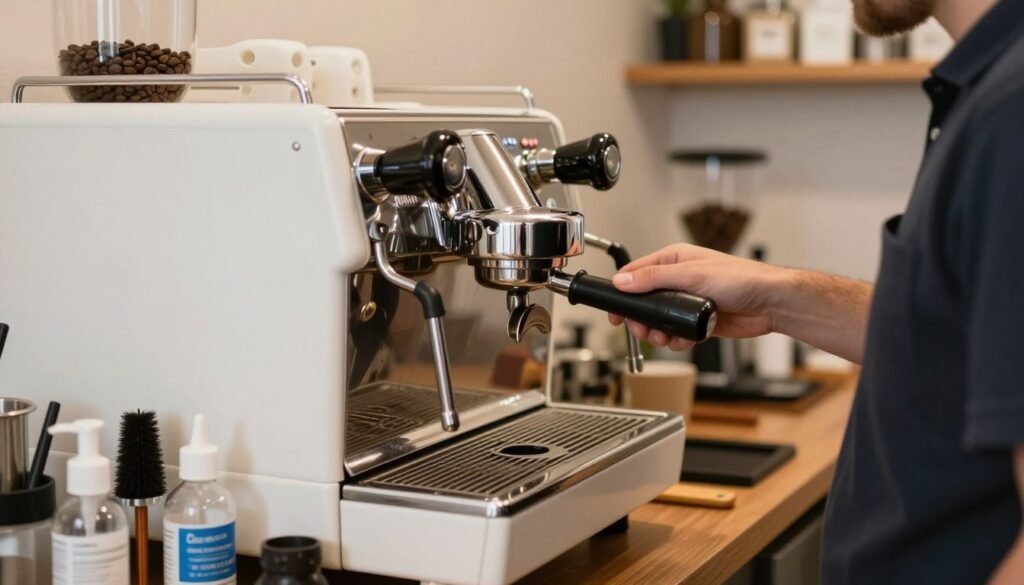
- Portafilter: Rinse and dry after every shot.
- Steam Wand: Wipe and purge immediately after frothing milk.
- Group Head: Perform a weekly backflush to remove oils.
- Descaling: Deep clean the internal pipes every few months.
Learning Curve and Daily Operation
Most drip makers are incredibly simple to operate. You just add water, insert a filter, and press start. This makes them ideal for mornings when you have very little time to spare.
Using a manual machine at home takes much more practice. You have to master grinding and tamping to get the best results from these machines. While basic makers provide ease, the larger espresso machine offers a truly custom experience for the dedicated fan.
Coffee Beans and Grind Size Requirements
Success in your kitchen coffee station depends heavily on matching your beans to your specific brewing method. It is a common mistake to think all coffee beans work the same way in every single machine. However, the specific roast and the grind will always change the final quality.
Espresso Beans vs Regular Coffee Beans: Roasting Differences
Espresso beans usually undergo a much longer and darker roasting process at the factory. This creates a natural, oily sheen that creates a bold flavor and thick crema. Regular coffee beans come in light or medium roasts to suit the slower drip method.
The darker roast profile provides the intensity needed for small, concentrated drinks. Roasters aim for a profile that stands up well to milk and high pressure. Using light-roasted coffee beans in an espresso machine often results in a very acidic taste.
Grind Size Impact on Extraction and Taste
The grind size is critical because it dictates how fast water moves through the ground coffee beans. For a quick espresso extraction, you need finely ground coffee to create the necessary resistance. Standard drip systems require a coarser ground to allow water to flow naturally with gravity.
| Property | Espresso Method | Drip Coffee Method |
|---|---|---|
| Grind Texture | Fine Powder | Coarse Salt |
| Water Pressure | High Pressure | Gravity-Fed |
| Extraction Time | 25-30 Seconds | 4-6 Minutes |
If the ground is too large, water rushes through without picking up any oils. This makes the drink taste weak and watery. A consistent burr grinder is your best friend for achieving the perfect grind every morning.
What Happens When You Use the Wrong Beans or Grind
Using a finely ground bean in a standard coffee maker often leads to a bitter, over-extracted mess. On the other hand, a coarse grind in an espresso machine results in a sour, weak drink. Always match your ground coffee beans to your specific hardware for the best flavor.
Investing in beans specifically labeled for your machine type can save you a lot of frustration. Pre-ground coffee options are available, but freshly grinding right before you brew is always better. Properly matched settings ensure you get the most out of every bag you buy.
Caffeine Content: Which Packs More Punch?>
Does your morning espresso actually pack more of a punch than a standard cup of drip coffee? Many people wonder which brewing method provides the best energy boost for their daily routine.
It is a common myth that a single shot is always more powerful. While the liquid is more concentrated, the total amount of caffeine depends on your total drink volume.
A standard serving size for a regular coffee is usually eight ounces. Because of this larger volume, a full mug often has more caffeine than a tiny ounce of espresso.
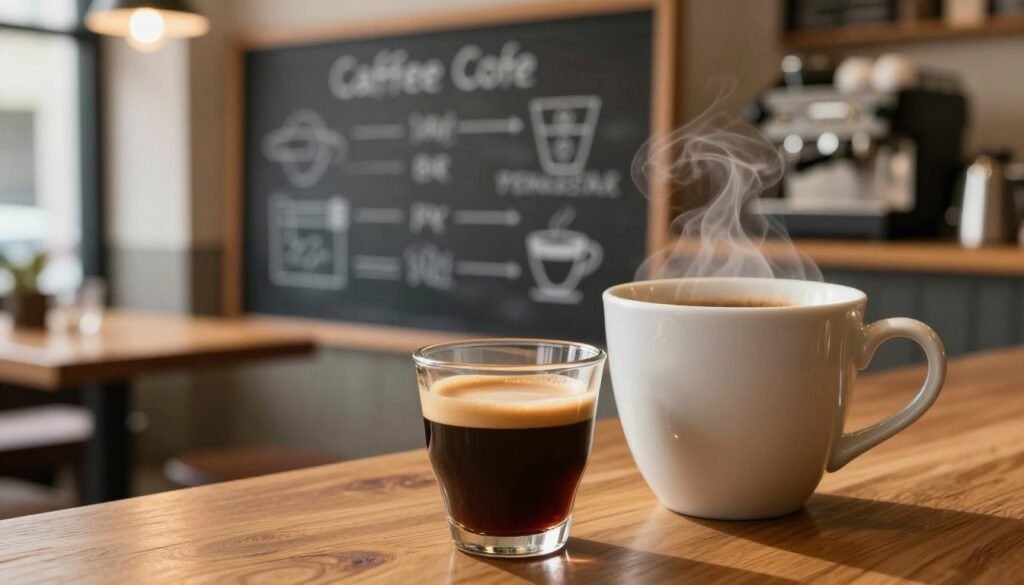
However, if you compared equal volumes, the results would surprise you. In a 225 ml cup, the concentration from an espresso machine is significantly higher than a standard brewer.
Most drinkers never consume eight ounces of straight espresso at once. Understanding these numbers helps you manage your daily caffeine intake effectively.
| Brewing Method | Caffeine per 225 ml | Typical Serving | Caffeine per Serving |
|---|---|---|---|
| Coffee Maker | 95mg – 165mg | 8 oz (225 ml) | 95mg – 165mg |
| Espresso Machine | 375mg – 520mg | 1 oz (30 ml) | 63mg – 75mg |
| Double Shot | 375mg – 520mg | 2 oz (60 ml) | 126mg – 150mg |
Which One Should You Choose for Your Home?>
Picking the best machine for your morning cup requires a close look at your flavor preferences and your daily schedule. Both options have unique strengths that cater to different lifestyles and tastes at home. While some people love a quick caffeine fix, others enjoy the art of the perfect pour.
Choose an Espresso Machine If You Want…
This choice is perfect if you love specialty drinks like creamy lattes, cappuccinos, or macchiatos. If you enjoy the ritual of the brewing process and crave concentrated coffee espresso flavors, this is your best bet. It allows you to steam milk to a velvety consistency to recreate a café-quality experience.
You should also consider this option if you prefer a smaller serving size with intense depth. Learning the craft takes effort, but the rich, authentic results are often worth the extra work. For those who value variety, this device offers unmatched versatility.
Choose a Coffee Maker If You Prefer…
A coffee maker suits those who need a large amount of coffee at once for family or guests. It uses a simple filter method to provide a reliable, straightforward style of drip coffee. If you value time and want a low-maintenance morning routine, a standard maker is the way to go.
This machine is ideal for people who drink their coffee black or with basic cream and sugar. It delivers a lighter body compared to other methods but remains consistent every single day. It is the ultimate tool for convenience and simplicity.
Five Questions to Help You Decide
Before you invest in a maker espresso machine or a standard drip machine, ask yourself these essential questions to find your perfect match:
- Do you want true crema or is a strong, bold drink enough for you?
- How much effort will you press into learning a complex new technique?
- Do you usually prefer drinking your coffee black or with frothed milk?
- Are you patient enough to handle regular deep cleaning and equipment maintenance?
- Do you need to brew several cups at once or do you prefer single servings?
Many serious enthusiasts eventually keep both to enjoy the best of both worlds. However, starting with the one that fits your current daily habits will ensure you actually use and enjoy your purchase.
Conclusion
Finding the perfect fit for your kitchen depends on your unique coffee habits and goals. A standard coffee maker is a reliable maker that offers simplicity and high volume. These makers are perfect for busy mornings when you need a quick mug with zero fuss.
In contrast, an espresso machine provides rich flavor and artistic control. While this machine requires more brewing knowledge, it lets you create café-style espresso drinks at home. Think about your answers to the earlier questions to find the right tool for your lifestyle.
The best coffee espresso setup is the one that brings you joy every single morning. Focus on your daily routine to ensure every sip of your favorite coffee or bold espresso is truly satisfying.