
Welcome to this helpful guide on modern floor care solutions. We want to help you decide if a new device fits your home and lifestyle perfectly. Early models from a decade ago were often weak, loud, and frequently likely to get stuck on thick rugs.
Today, advanced technology has made robot vacuums much more reliable and efficient than older versions. Many people now find that these smart tools handle about 95% of their daily cleaning tasks without any manual effort. You can even find a high-quality vacuum that costs less than a traditional upright model while providing great results.
Our team shares real user stories to see if this investment is worth the total price tag. You will learn how it compares to a standard vacuum for heavy-duty chores across different floor types. These practical tips cover maintenance and pricing to help you find a powerful vacuum for consistent cleaning.
The Evolution of Robot Vacuum Technology
It is hard to believe how much the smart cleaning industry has shifted since its noisy beginnings. Nearly a decade ago, the first generation of robot cleaners promised total automation but often fell short. These early models frequently bumped into walls and furniture, requiring constant human intervention.
Early vacuums were extremely loud, making it nearly impossible to hold a conversation while they worked. Their batteries often died before completing a single room, and they frequently got stuck in tight spaces. Many users felt it was faster to just use a manual vacuum themselves rather than “babysit” a machine.
Americans typically clean high-traffic areas like living rooms 14 to 17 times every month. This frequent need created a perfect opportunity for better technology to step in. Modern technology has finally turned these gadgets into reliable household tools.
- Smarter Navigation: Today’s robot uses advanced sensors and mapping to avoid obstacles.
- Improved Efficiency: Current models offer much longer run time and quieter motors.
- Better Value: These vacuums are lightyears ahead of their ancestors while costing significantly less.
A modern robot now feels like a genuine helper rather than a novelty item. They handle daily debris with ease, allowing you to focus on more important tasks. In the past, a basic vacuum required your full attention, but today’s smart versions work perfectly as advertised.
Are Robot Vacuums Worth It?
Transforming your home maintenance routine starts with knowing if a robot vacuum genuinely delivers on its promises. For most busy households, the answer is a resounding yes. These devices excel at handling daily dirt accumulation and pesky pet hair without you lifting a finger.
The value proposition has shifted significantly in recent years as technology improved. You can now find a high-quality robot vacuum for a price between $150 and $230. This investment is often less than the cost of just two professional house cleanings.
Real users report that their robot runs every single day for years. Instead of gathering dust in a closet, it becomes an essential part of their cleaning routine. It effectively maintains various floors, from hardwood to carpets, while you are busy elsewhere.
The biggest benefit is the amount of time you regain. A modern robot can work autonomously for over 90 minutes daily. This consistent cleaning prevents buildup, ensuring your home feels fresher while saving you time for family or relaxation.
Imagine coming home to spotless carpets every single afternoon. The cumulative effort saved makes these machines a must-have for modern living. Consider these key advantages:
- Effortless Maintenance: Daily automated cycles prevent deep dirt buildup.
- Pet Friendly: Specifically designed to capture shedding fur and tracked debris.
- Smart Investment: Durable models pay for themselves in just a few months.
- Allergy Relief: Constant suction reduces dust mites and common household allergens.
How Robot Vacuums Work
Ever wonder how a tiny machine manages to clean your whole house without any help? These devices travel wirelessly around your home while vacuuming your floors. A robot vacuum leaves its base at a set time and returns to its charging station when finished.
Navigation and Mapping Technology
Modern models use LiDAR and dToF sensors to build highly accurate digital maps. This mapping process allows the robot to identify room boundaries clearly. It also helps the device move gently around furniture like chair legs or cabinet bases.
https://www.youtube.com/watch?v=bSTaVJc-Se4
Advanced navigation systems can store up to five separate room layouts automatically. Using lasers and ultrasonic detectors, the vacuum detects obstacles and prevents falls down stairs. These intelligent sensors work in low-light conditions to keep the device safe.
Automatic Charging and Battery Life
A typical battery provides over 90 minutes of cleaning time per cycle. This is usually enough to cover a single-floor home on one charge. Once the battery drops to about 20%, the robot vacuum returns to its charging dock.
After reaching 80% power, it resumes the mapping path right where it stopped. This seamless cycle ensures your floors stay clean without any manual effort. The technology works in the background so you can focus on more important tasks.
| System Component | Technology Used | Primary Benefit |
|---|---|---|
| Path Finding | LiDAR and dToF | Creates efficient cleaning routes |
| Obstacle Detection | Ultrasonic and Infrared | Protects furniture and walls |
| Power Management | Lithium-ion Cells | Enables 90+ minutes of runtime |
| Automation | Smart Logic | Resumes cleaning after recharging |
Essential Features of Modern Robot Vacuums
The latest generation of home cleaning robots has moved far beyond simple bumping and turning. These smart devices now offer a range of powerful features to keep your home tidy. You will find that today’s machines are much more independent and efficient than older models.
Intelligent Navigation Systems
Modern navigation acts as the brain of the device, allowing for a systematic cleaning path. High-end robot vacuums often use lidar and dToF sensors to build a detailed mapping of your floor plan. This advanced technology ensures the vacuum cleans every corner without missing a spot or repeating the same area.
Advanced models can even detect moving people or pets and reroute in real-time. This prevents collisions and allows the unit to finish its job without getting stuck in a corner. It is a massive upgrade from the random-bounce patterns of the past.
Obstacle Recognition and Avoidance
Smart technology helps the machine navigate around obstacles easily. Using specialized sensors, these units can identify a specific obstacle like a power cord or a pair of shoes. This saves you valuable time because you do not have to “pre-clean” the floor before the robot starts.
Many units now feature advanced software that can recognize and avoid pet mess or toys. If the machine detects a tricky obstacle, it simply moves around it and continues its route. This ensures a truly autonomous experience with very little human intervention needed.
Multi-Surface Cleaning Capabilities
Quality cleaners transition between different surfaces smoothly to provide a deep clean. The machine automatically detects the change from a hardwood floor to a thick rug. It will then adjust the suction power the moment it touches carpeted surfaces to pull up hidden dust.
You can also customize water flow levels for mopping on tile or stone floors. This adaptability ensures that every room in your house gets the specific care it requires. Whether you have luxury vinyl or high-pile carpet, the vacuum handles it all.
App Control and Smart Home Integration
Managing your home chores is now as simple as tapping your smartphone screen. These features let you set cleaning schedules, monitor battery status, or create no-go zones. You can even connect the robot vacuums to Alexa or Google Home for hands-free voice commands.
Virtual boundaries allow you to block off areas with pet feeding stations or sleeping babies. You can check the cleaning progress while you are at work or running errands. This level of connectivity brings a new level of convenience to your daily routine.
| Feature Category | Core Technology | Primary User Benefit |
|---|---|---|
| Navigation | LiDAR and dToF | Systematic and efficient paths |
| Avoidance | AI Recognition | Prevents hitting obstacles |
| Connectivity | Mobile Apps | Remote scheduling and zones |
| Versatility | Auto-Suction Boost | Deeper cleaning on rugs |
Advantages of Robot Vacuums
The benefits of owning a robot vacuum extend far beyond just having cleaner floors every morning. These smart machines provide a level of consistency that manual labor simply cannot match. You will notice a transformation in your home environment as soon as the automation takes over.
Automated Daily Cleaning
Most users set their devices to run every single day on an autopilot schedule. This means your cleaning happens while you are at work or even while you sleep. Daily cleaning ensures that your living space stays fresh without any manual effort or forgotten chores.
Access to Hard-to-Reach Areas
Slim designs, often as low as 2.85 inches tall, let the vacuum slide under beds and sofas easily. These areas usually hide debris for years because they are difficult to reach with standard uprights. Whisker arms and side brushes sweep out hidden dust from under heavy kitchen appliances and bathroom vanities.
Superior Pet Hair Management
Dealing with pet hair is a constant struggle for many busy families in the United States. A pet owner can rely on these devices to remove animal hair before it bundles into large, messy clumps. This routine keeps your carpets looking great even if you have multiple shedding animals in the house.
Improved Air Quality and Allergen Reduction
It is shocking how much dust a robot finds even in homes that look spotless. By removing fine dust every day, these machines stop irritants from floating back into the air. This process significantly reduces the need for manual dusting and helps everyone in the family breathe much better.
Time and Energy Savings
You save a lot of time by letting a smart vacuum handle 95% of your floor chores. This technology frees up several hours each week for your favorite hobbies or quality family moments. The robot maintains your floors so you can focus on more important tasks in your life.
| Advantage | Key Feature | Primary Benefit |
|---|---|---|
| Consistent Upkeep | Daily floor cleaning | Prevents dirt build-up |
| Pet Care | Pet hair extraction | Removes pet hair daily |
| Efficiency | Saves time | 95% automated labor |
| Accessibility | Robot vacuum profile | Cleans under furniture |
Disadvantages of Robot Vacuums
Navigating the world of automated floor care means understanding that these devices come with specific trade-offs. While robot vacuums simplify daily chores, they aren’t perfect solutions for every household. It is important to weigh these limitations against their time-saving benefits.
Higher Initial Investment
The upfront price of these gadgets can be a significant hurdle for many families. Basic models usually start around $150 to $300, which is comparable to high-quality traditional vacuums.
However, premium versions with advanced mapping often exceed $1,500. This higher price point means you are paying a premium for automation and smart features.
Regular Maintenance Requirements
Owning these machines isn’t entirely hands-off, as they require consistent maintenance to work properly. You must empty the small dustbin almost daily to prevent it from overflowing with debris.
Owners also need to clean brush rolls weekly to remove tangled hair and fibers. Neglecting this step can lead to a broken vacuum or poor suction over time.
Cannot Clean Stairs or Elevated Surfaces
One major limitation is that these devices stay strictly on flat ground. They cannot navigate stairs or reach high areas like curtains and bookshelves.
Because they lack the agility for stairs, you will still need a secondary handheld vacuum. This means you end up maintaining two different tools for one home.
Struggles with Extreme Clutter
A messy floor can easily trap even the smartest robot vacuums. They often get stuck on charging cords, small toys, or loose blankets left in their path.
To ensure a successful cleaning cycle, you might need to do a quick “pre-clean” of the room. Moving shoes and cables helps the device finish its job without getting jammed.
Limited Deep Cleaning on High-Pile Carpets
Budget models often lack the traction needed for thick, plush carpet. Without high suction power, they may leave debris buried deep within the long fibers.
For homes with shag rugs, manual cleaning remains the gold standard for deep hygiene. Many users find that a daily cleaning run keeps things tidy, but it doesn’t replace a deep scrub.
| Disadvantage | Main Limitation | Impact on User |
|---|---|---|
| Financial Cost | Premium vacuums cost $1,000+ | Requires a larger upfront budget |
| Floor Type | Difficulties on thick carpet | May leave dust deep in fibers |
| Physical Layout | Cannot climb steps | Manual work is still needed |
Best Robot Vacuum Models Worth Considering
To help you narrow down your search, we have selected three top-performing models that cater to various needs and budgets. These automated cleaners excel in different environments, from small apartments to large luxury estates. Each robot vacuum listed below offers a unique balance of smart features and reliable vacuum technology.
Eufy RoboVac 11S Max
Overview
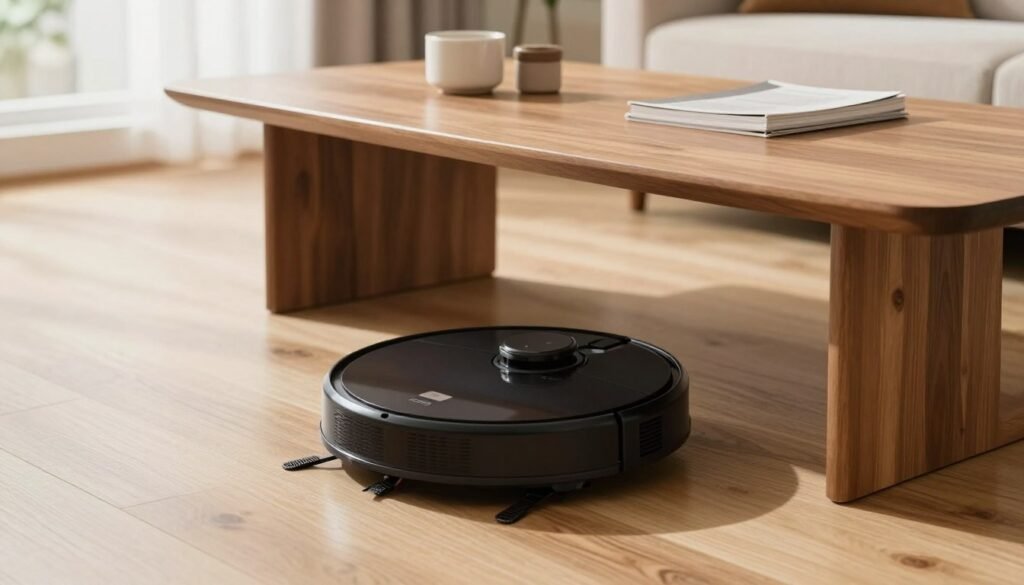
The Eufy RoboVac 11S Max is the best budget-friendly option for most homes. It regularly retails for a price between $159 and $230, making it very affordable. With over 65,000 five-star reviews, this vacuum has proven its long-term reliability.
Pros
Its ultra-slim 2.85-inch profile allows it to fit under almost any piece of furniture. You will enjoy a 90-minute battery life that covers most standard floor plans. It is significantly cheaper than most traditional upright models.
Cons
This unit lacks wifi connectivity and advanced digital mapping. You must manually carry it between different floors in a multi-story home.
Key Features
The device uses a simple remote control for easy scheduling. It delivers a strong performance with upgraded suction to pull dirt from deep within carpets.
Lubluelu Robot Vacuum and Mop
Overview
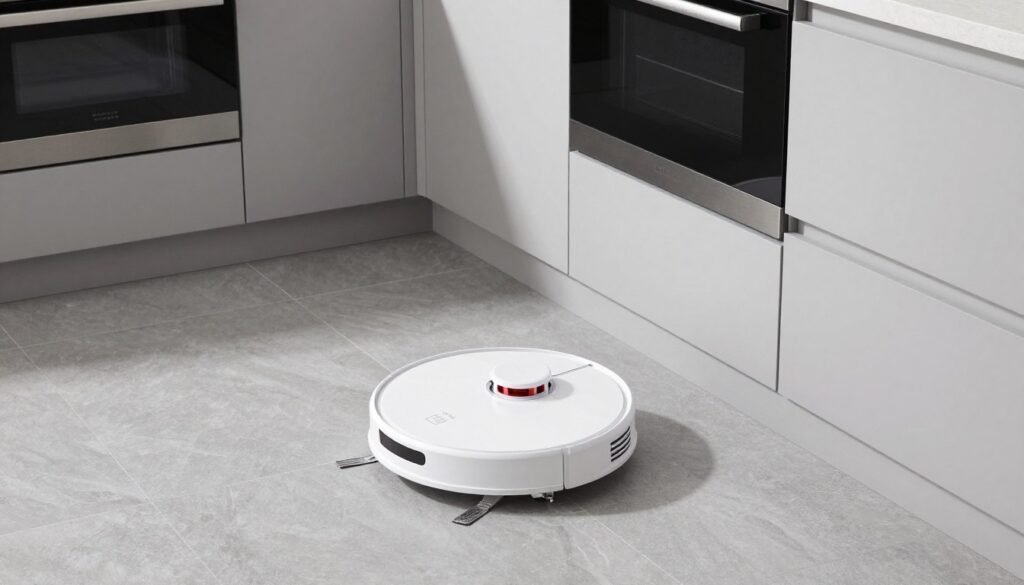
The Lubluelu SL60D is an exceptional mid-range vacuum for those who want more versatility. It offers high-end LiDAR mapping technology at a fraction of the cost of premium models. It provides a great balance of sweeping and mopping capabilities.
Pros
This machine features automatic surface detection to protect your rugs. It increases its suction power instantly when it moves from hard floors to carpets. It performs exceptionally well on uneven surfaces like slate tiles.
Cons
The internal software only supports a 5-room mapping limit. Also, the water tank is somewhat small and may require frequent refills during long cleaning sessions.
Key Features
Users can easily manage the device through a dedicated smartphone app. It effectively combines dual functionality to keep your floors shining.
DEEBOT X11 OmniCyclone
Overview
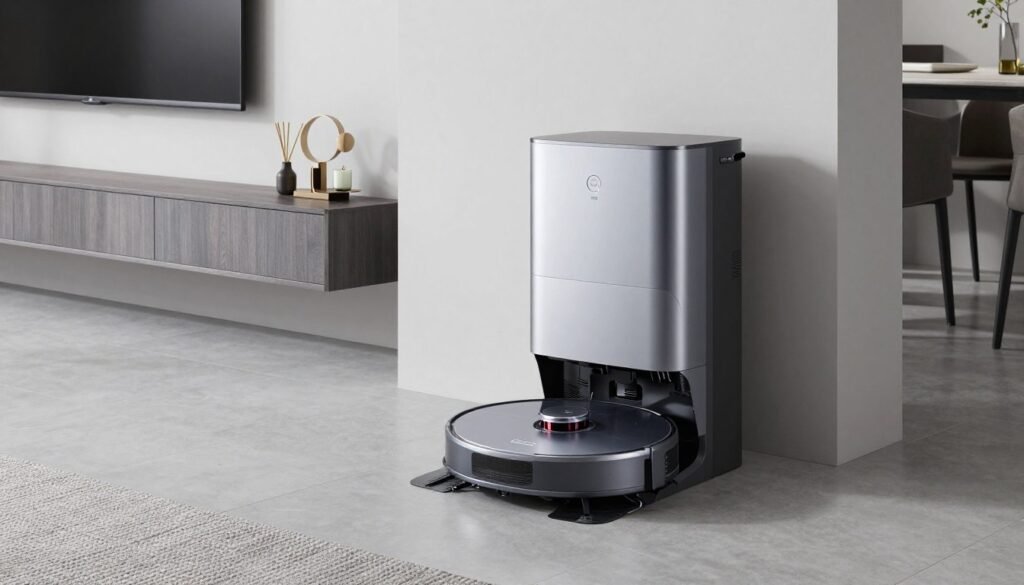
The DEEBOT X11 OmniCyclone is the ultimate premium robot vacuum for a hands-off experience. It is designed for homeowners who prioritize the latest technology and maximum performance. This is one of the most advanced cleaners available today.
Pros
It boasts a massive 19,500Pa suction power to remove every speck of dust. The all-in-one charging station even cleans the mop pads with hot water automatically. It uses AI-powered detection to avoid small objects like shoes or cables.
Cons
The high cost makes it a significant investment for any household. Its large base station also requires a dedicated space in your home.
Key Features
The OZMO ROLLER mopping system spins at 200rpm for a deep scrub. It uses PowerBoost technology to handle very large homes without slowing down.
When Robot Vacuums Work Best
Certain environments and lifestyles allow automated cleaners to truly shine and deliver the best return on investment. While every house benefits from tidy floors, these machines are game-changers in specific scenarios.
Busy Professionals and Large Families
If you currently vacuum high-traffic zones 14-17 times a month, a robot is for you. Families with many children benefit from automated cleaning that prevents crumbs from piling up daily. Busy lifestyles no longer have to suffer through messy carpets after a long day at work.
Pet Owners Dealing with Constant Shedding
Every pet owner knows the struggle of pet hair drifting across the floor like tumbleweeds. A robot vacuum provides daily removal of fur and debris without any manual effort. This is essential for people with dogs that shed constantly or track in muddy paw prints.
Homes with Open Floor Plans and Hard Surfaces
These devices work perfectly in homes with hardwood, tile, or low-pile carpets. They navigate easily through open spaces to reach every corner. This is especially helpful in a house with bright, south-facing windows that reveal every speck of dirt on the floors.
Individuals with Mobility Issues or Allergies
Automated cleaning is a blessing for those who find pushing a heavy vacuum physically painful. It eliminates the need for bending or lifting, which protects your joints. Additionally, it helps allergy sufferers by preventing dust buildup and keeping the air fresher.
| User Group | Primary Benefit | Ideal Scenario |
|---|---|---|
| Large Families | Crumb control | High-traffic areas |
| Pet Owners | Fur removal | Daily shedding cycles |
| Allergy Sufferers | Dust reduction | Consistent homes maintenance |
When Robot Vacuums May Not Be the Best Choice
While these gadgets offer freedom, they are not the perfect fit for every single house. Certain environments and financial goals might make a manual tool a more practical choice for your daily routine.
Homes with Multiple Levels and Many Stairs
A robot cannot climb stairs on its own. If you live in a multi-level house, you must carry the device between levels manually or buy extra units.
While sensors prevent it from falling, you still need a standard cleaner to reach every step. This added physical effort can diminish the convenience of owning an automated device.
Extremely Cluttered Living Spaces
A robot needs clear paths to perform its job effectively. If your floors stay covered with toys, laundry, or cables, the device will likely get stuck often.
Picking up items daily might defeat the main benefit of owning robot vacuums in the first place. For messy environments, manual cleaning is often faster than clearing a path for a machine.
Budget Constraints
A low budget can make it hard to find a machine that handles thick carpets well. Even an entry-level budget model usually costs significantly more than a basic upright vacuum.
For some families, a traditional vacuum offers better deep-cleaning power for much less money. Reliability and suction power are often higher in corded models within the same price bracket.
| Situation | Recommended Vacuum | Key Consideration |
|---|---|---|
| Multiple Story Home | Manual Upright | Easier to navigate steps |
| High-Clutter Areas | Cordless Stick | Precision around obstacles |
| Strict Financial Limit | Corded Canister | Best power-to-price ratio |
Robot Vacuum Pricing Guide
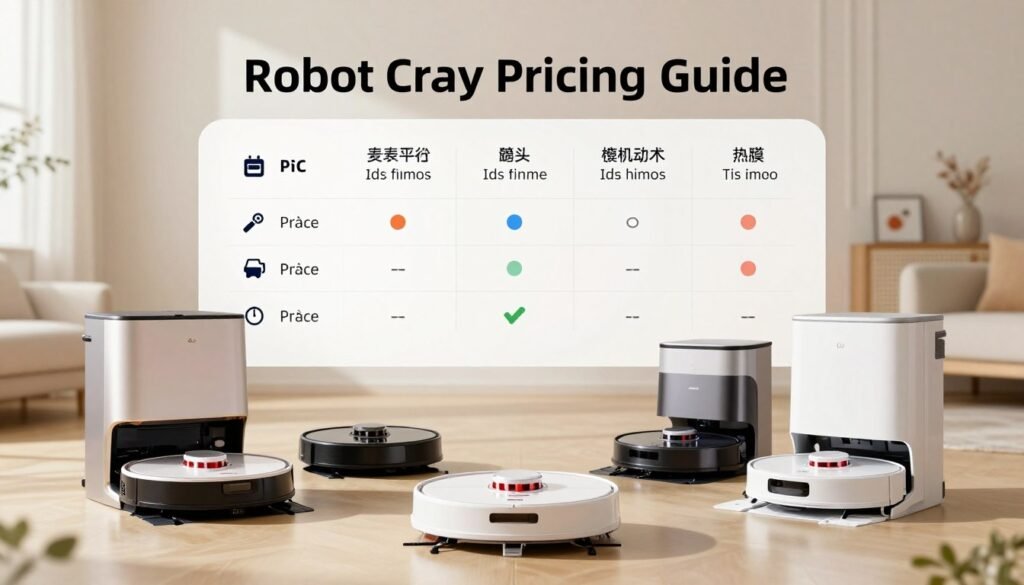
Buying a robot vacuum doesn’t have to break the bank, but the price you pay often dictates the tech you get. Over the last decade, the robot market has shifted toward better affordability. Today, a budget tier model under $160 often cleans better than a $300 unit did ten years ago.
Budget-Friendly Models ($150-$300)
Highly-rated models like the Eufy RoboVac 11S Max dominate this affordable category. These machines offer essential tools like scheduled cleaning and multi-surface capability. While they handle daily dust well, they usually lack smartphone apps or advanced laser mapping.
Mid-Range Options ($300-$600)
Most standard Roomba models fall into this category, offering a perfect balance for tech-savvy users. You gain access to WiFi connectivity, virtual boundary settings, and much smarter navigation systems. These vacuums, such as the self-emptying Roomba i3+ EVO, provide excellent value for busy families.
Premium Models ($600-$1,500+)
This tier features a self-emptying docking station that removes debris for you automatically. High-end vacuums include advanced AI for obstacle detection and ultra-powerful suction above 15,000Pa. These premium features allow this vacuum to operate with almost zero human help.
| Tier Category | Typical Cost | Top Advantage |
|---|---|---|
| Budget | $150 – $300 | Great for hard floors |
| Mid-Range | $300 – $600 | Smart App controls |
| Premium | $600 – $1,500+ | Total automation |
Always consider ongoing costs for filters and brushes when calculating your total ownership expense. Most households find the best utility in the mid-range category for reliable long-term performance.
Setting Up Your Robot Vacuum for Optimal Performance
Setting the stage for your automated cleaner ensures it spends more time cleaning and less time getting stuck. A small upfront effort makes the difference between a gadget you have to babysit and a truly autonomous helper. Proper preparation allows the technology to navigate your home with maximum efficiency.
Selecting the Ideal Charging Station Location
Placement is crucial for consistent success. You should place the station in a central area that is easy for the robot to reach but stays hidden from view. This ensures the device can always find its way back home when the battery runs low.
One clever trick is putting the charging base under a loveseat or sofa near a power outlet. Use 3M Command Strips to secure the base to the floors. This simple hack prevents the vacuum from pushing the dock out of alignment during the docking process.
Managing Cords and Floor Obstacles
Loose cables are common obstacles that can trip up your machine. Corral power cords using zip ties or store them in low baskets tucked under beds. Clearing the path prevents the motor from straining or getting tangled in wires.
Before the vacuum starts its task, it usually emits a warning beep. Use this sound as a daily reminder to quickly scan the house for stray socks or pet toys. Taking a moment to “robot-proof” your space saves time in the long run.
| Task | Benefit | Tool Needed |
|---|---|---|
| Base Placement | Improved Docking | Command Strips |
| Cord Control | Fewer Errors | Zip Ties |
| Area Blocking | Targeted Cleaning | Mobile App |
Creating Virtual Boundaries and No-Go Zones
Most modern units allow you to set digital walls within their mobile apps. These boundaries prevent the robot from entering messy rooms or areas with thick rugs. This keeps the cleaning path efficient and protects your fragile belongings from accidental bumps.
Establishing Daily Cleaning Schedules
Setting a consistent time every day prevents dirt from building up throughout your house. This automated routine ensures the device returns to its charging port without manual intervention. Taking 30 minutes for this initial setup creates a truly hands-off experience for every single day.
Maintenance Requirements and Tips
Keeping your robot vacuum in top shape doesn’t take much effort, but consistency is key. Proper care ensures the device continues to pick up dust and dirt effectively without burning out the motor. By spending a few minutes each week on maintenance, you protect your investment and keep your floors spotless.
Daily and Weekly Maintenance Tasks
You should empty the dustbin after every cleaning session. Even if your home looks clean, the bin often comes back full every single day. You can pair this task with your morning coffee or taking vitamins to make it a habit.
On a weekly basis, take a moment to clear hair wrapped around the brush rolls. Use scissors to cut through tangles that might slow down the vacuum. Wiping down the sensors and filters also helps maintain strong airflow and better navigation.
- Empty the bin daily to prevent clogs and maintain high suction.
- Clean brush rolls weekly to remove hair and fibers.
- Wipe the dustbin filter to ensure optimal airflow through the system.
Filter and Brush Replacement
Over time, filters and brushes wear down from constant contact with various debris. Most owners find that replacing these parts every 2 to 6 months keeps performance high. Buying a $16 replacement kit upfront is a smart move, as it provides spare whisker brushes and attachments.
When you install new side brushes, ensure you snap them on firmly until you hear a click. If they aren’t secure, they may repeatedly fall off while the vacuum is working. Replacing these components regularly ensures that no dust or debris is left behind during a cycle.
Expected Lifespan and Durability
With regular maintenance, most robot vacuums last between 4 and 6 years. This durability is similar to traditional models and offers a great return on investment for homeowners. Keeping the intake clear of blockages prevents the motor from straining over time.
Self-emptying models reduce daily chores, but they still require occasional checks for peak performance. Always follow the manufacturer’s guide and use genuine parts for the best cleaning results. This proactive care keeps your robotic assistant running like new for years.
Robot Vacuums vs Traditional Vacuum Cleaners
Comparing the strengths of automated devices and traditional vacuum cleaners reveals how they work best together. While a smart vacuum handles about 95% of daily floor maintenance, it does not mean you should toss your upright model. Instead, think of them as a team that keeps your home spotless and healthy.
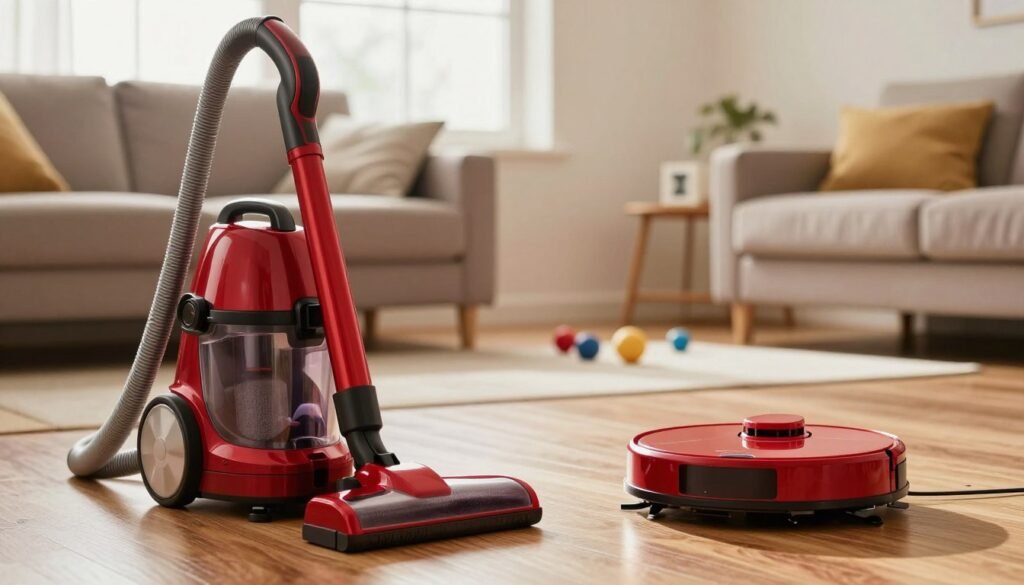
Cleaning Efficiency Comparison
Robot vacuums are surprisingly thorough because they rely on repetition. They often pass over the same spot four times from different angles. This is the industry standard for truly clean floors.
Manual cleaning rarely achieves this level of detail. Most people only make one or two passes over a rug before moving on. This consistent performance ensures that dust and allergens never have a chance to settle deep into your floor fibers.
Time Investment and Convenience
The biggest difference is the active physical effort required to keep a home tidy. A traditional cleaner takes 20 to 45 minutes of your physical energy per session.
In contrast, robot vacuums run on autopilot while you work, sleep, or spend time with family. This convenience allows for daily cleaning without adding a single chore to your already busy schedule.
| Feature | Robot Vacuums | Traditional Vacuums |
|---|---|---|
| Active Effort | Near-Zero | High Physical Work |
| Passes Per Area | 4 Passes (Standard) | 1-2 Passes |
| Best For | Daily Maintenance | Deep Cleaning/Stairs |
When You Still Need a Traditional Vacuum
There are certain tasks where a standard vacuum is still the champion. You will still need your upright for weekly stair maintenance and high performance suction behind heavy furniture.
Keep your traditional vacuum cleaners in a utility closet for these occasional jobs or large spills like potting soil. Handheld models are also great for quick messes on counters or upholstery. Owning both types of vacuum cleaners provides the ultimate results for a modern home.
Expert Buying Tips for Choosing Your Robot Vacuum
Finding the right helper for your house involves more than just picking the first shiny device you see. There are several things you should weigh to ensure your new purchase actually makes life easier and fits your lifestyle. Smart shopping requires a bit of research before you commit to a specific brand.
Assess Your Home Size and Layout
Start by looking at the total square footage of your homes. Very large homes, especially those over 3,000 square feet, often need premium models with long battery lives and advanced mapping.
If you have multiple levels, you might even consider buying two separate robot vacuum units. This prevents you from having to carry one heavy device up and down the stairs every day.
Consider Your Flooring Types
Check your floors before deciding which unit to buy. Most cleaners handle hardwood and tile perfectly. However, if your living space has thick, high-pile carpets, you will need a device with much stronger suction power.
Determine Must-Have Features
Make a list of essential features to narrow down your choices. Tech fans often want advanced connectivity, while others prefer simplicity. Consider these common options:
- Mobile app integration and voice commands.
- Self-emptying dustbins for hands-free maintenance.
- Advanced mapping and virtual no-go zones.
- Slim profiles for getting under low furniture.
Set a Realistic Budget
Establish a clear budget based on how often you will use the device. If you plan to run it every day, investing more in high-end vacuums is worth it. Since modern vacuums vary in price, many affordable cleaners under $230 perform much better than you might expect.
Read Real User Reviews
Always look for authentic feedback on sites like Amazon or social media stories. Don’t just trust the brand’s marketing claims.
Look for robot vacuum models with thousands of positive reviews. Strongly consider the warranty and return policy to ensure you can test the device in your own environment risk-free.
Conclusion
Today’s robot vacuums have evolved into genuinely valuable household tools that maintain cleaner floors with minimal effort. Modern technology has transformed these devices from frustrating gadgets into reliable systems that save you significant time. While they won’t replace a traditional vacuum for stairs, they handle the majority of daily floor debris beautifully.
These machines are truly helpful for households with pets or allergies where consistent cleaning is a top priority. You can find high-quality models at accessible prices, making them a smart investment for your home. Simple things like moving loose cords and performing routine maintenance will keep your device running smoothly for years.
Start with a budget-friendly model to see how automation fits into your specific lifestyle and layout. Most robot vacuums offer daily convenience that far outweighs their small technical limitations. Use return policies to test these things risk-free and decide if a new vacuum is the right choice for your needs.