
The modern kitchen has seen a huge shift lately. Air fryers are now a staple in almost every American home. These devices offer a fast way for enjoying crispy food with less oil.
Even though an air fryer is simple, it is not foolproof. Many users make small mistakes that lead toward soggy or dry results. This can make your dinner feel quite disappointing.
Our guide focuses on fixing these issues for better cooking. Once you learn how an air fryer moves heat, you can stop these mistakes. It is the best way for getting that perfect crunch.
Mastering your air fryer helps you create amazing food as a pro. We will walk through the Common Air Fryer Mistakes to Avoid and help you succeed.
Your air fryer should make cooking feel fun and easy! Using an air fryer is the secret for great meals every single day.
Why Air Fryer Mistakes Matter for Perfect Cooking
Small errors in your air fryer routine can be the difference between a soggy mess and a golden crunch. These machines work by making hot air move at high speeds to surround your meal. This rapid process mimics the effect of deep frying without using excessive amounts of oil.
For your food to get crispy, you must ensure the hot air can air circulate freely. If you do not leave enough space in the basket, your dinner will steam instead of crisping up. Even minor mistakes can significantly impact your final results, turning a great meal into a disappointment.
| Cooking Habit | Airflow Level | Final Results |
|---|---|---|
| Crowded Basket | Very Restricted | Soggy and Uneven |
| Single Layer | Moves Freely | Crispy and Golden |
| Excess Moisture | Turns to Steam | Soft and Dull |
Learning to fix these common air fryer errors makes you a more intuitive cook. You will save time, reduce food waste, and get the full value from your air fryer investment. Understanding the science behind the basket helps you troubleshoot problems on the fly.
Once you master these simple tips, you will get perfect outcomes every time you start cooking. You can consistently produce delicious, crispy meals by adjusting your cooking techniques. It only takes a few small changes to achieve the kitchen excellence you deserve.
1. Overcrowding the Air Fryer Basket
The temptation to fill the basket to the brim is strong, but it’s a recipe for soggy disappointment. When you are cooking for a hungry family, you often want to save time by throwing everything in at once.
This common mistake prevents your meals from reaching their full potential. Patience is key to achieving that restaurant-quality crunch at home.
Why This Happens
Most home cooks overfill the air fryer basket because they want to avoid running multiple batches. It feels faster to cram every piece of food inside rather than waiting for a second round of frying.
Think of the air fryer like a crowded subway where there is no room to breathe. The device works by moving hot air around the ingredients to create a crispy shell.
If you leave no space, the air around the items cannot circulate properly. This causes your dinner to steam rather than crisp, leaving it pale and limp.
How to Fix It
The best way to ensure a perfect crunch is to arrange your food in a single layer. This ensures that the air fryer can reach every surface of the ingredient evenly.
- Cook in batches: It takes longer, but the texture is worth the extra effort.
- Use accessories: Racks or dividers help maximize the basket without blocking airflow.
- Dry your food: Removing moisture helps the exterior crisp up faster in the air fryer.
Foods like frozen chicken nuggets, fries, and breaded vegetables need plenty of room. If they touch too much, they will never get that golden glow you desire.
| Cooking Method | Airflow Level | Expected Texture |
|---|---|---|
| Overcrowded | Minimal | Soft and Soggy |
| Single Layer | High | Golden and Crispy |
| Batch Cooking | Optimal | Extra Crunchy |
2. Skipping the Preheating Step
Neglecting the preheating process is a recipe for soggy textures and longer wait times in the kitchen. Many people treat their air fryer like a microwave, but it actually functions more like a high-powered convection oven. Starting with a cold basket means your food won’t get that instant blast of heat it needs to stay crisp.
Why This Happens
Air fryers are often marketed as the ultimate tools for speed and convenience. Because they heat up so quickly, many users assume they can just toss their items in and press start immediately. It feels like an unnecessary step that adds more time to a cooking process meant to be nearly instant.
Without that initial heat, the first few minutes are wasted just bringing the appliance up to temperature. During this lag, the ingredients sit in a lukewarm environment. Instead of browning, they often start to steam, which ruins the final crunch.
How to Fix It
The solution is simple: give your air fryer about three to five minutes to reach the right temperature before adding your meal. This small investment leads to much better results, especially for breaded items or frozen snacks. Most modern units even have a dedicated button to make this task effortless.
Taking this extra step ensures immediate crisping action for your food. It is particularly helpful for tofu, potatoes, and vegetables that need high heat to develop a golden exterior. While not every single recipe demands it, your patience will be rewarded with a superior texture every time.
| Food Category | Preheating Time | Texture Goal |
|---|---|---|
| Frozen Fries | 3 minutes | Extra Crunchy |
| Breaded Tofu | 4 minutes | Firm and Crispy |
| Fresh Veggies | 2 minutes | Roasted Edges |
Always check your manual to see if your specific model has a built-in alert for when it is ready. If not, simply run the preheating cycle manually while you prep your ingredients. This habit ensures your air fryer performs at its absolute best for every single meal.
3. Using Too Much Oil
While a little fat helps with browning, using too much oil can ruin your meal and fill your home with smoke. One of the primary reasons people love an air fryer is the promise of healthier meals with less grease. However, pouring a heavy stream of oil onto your food often leads to soggy results instead of that perfect crunch.
Why This Happens
Most home cooks are used to traditional cooking methods where a generous amount of fat is necessary for browning. You might mistakenly think that more oil naturally equals more crispiness, but this machine works differently. When you use too much oil, it can drip onto the heating element and cause smoke to fill your kitchen.
How to Fix It
Instead of pouring, use a spray bottle or a non-aerosol mister to apply a light coating to your food. Think of it as a delicate “spa mist” rather than a heavy monsoon. This ensures you get the texture you want without the extra calories.
- Use only 1-2 teaspoons of oil for most recipes to ensure a light coat.
- Check the bottom of your air fryer basket for any liquid pools after you finish.
- A quick 2-second spray is usually enough oil to get that golden finish.
4. Not Using Enough Oil
If your meals are coming out pale and dusty, you might be falling for the “zero oil” myth. While this appliance is a healthy choice, it often still requires a tiny bit of fat to work its magic.
Why This Happens
Marketing for the air fryer often highlights “oil-free” cooking as a primary benefit. This leads many home cooks to believe that all ingredients can be prepared without any fat at all.
While naturally fatty foods like chicken wings thrive on their own, lean items often struggle. Without a light coating, your meal may turn out dry or fail to brown properly.
How to Fix It
The secret is a light touch. You only need a small amount of oil to help seasonings stick and promote a perfectly golden crunch.
Always toss your vegetables or tofu in a bowl with a teaspoon of fat before cooking. This ensures an even coating that creates a great texture without adding too many calories.
Use a non-aerosol mister to apply a little oil to your food. This simple step helps the hot air distribute heat more effectively across the surface.
| Item Type | Needs Added Fat? | Cooking Goal |
|---|---|---|
| Vegetables | Yes | Prevents drying out |
| Potatoes | Yes | Maximizes crispiness |
| Chicken Wings | No | Uses natural fat |
Remember, using a small amount of oil provides superior results for your dinner. The air fryer still uses much less fat than a deep fryer while helping you properly crisp your food.
5. Forgetting to Shake or Flip Your Food>
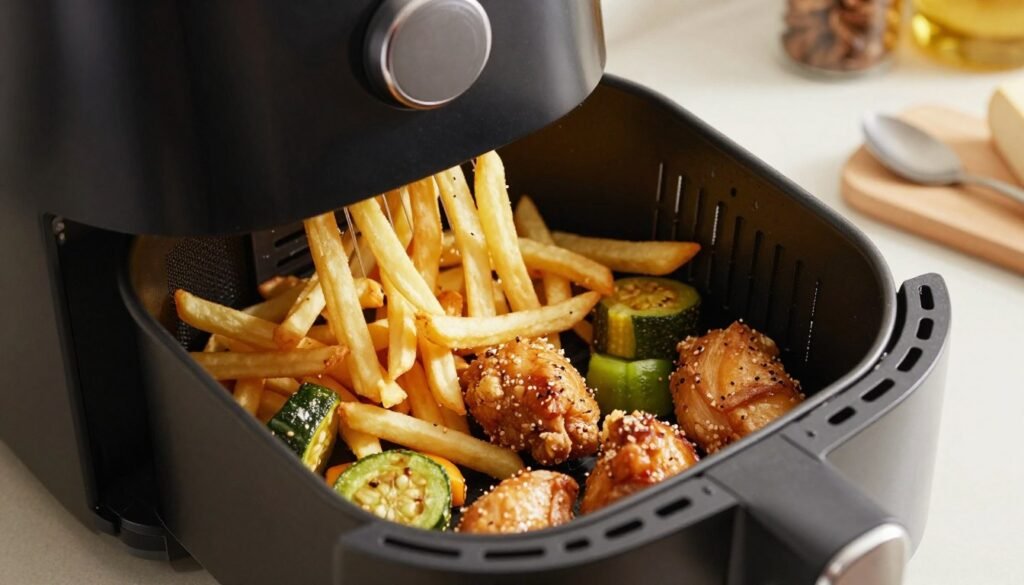
Achieving a uniform crunch requires more than just pressing a button and walking away. Many users treat this appliance as a “set it and forget it” tool, which leads to the dreaded crispy lottery. This happens when the top of your food looks perfect, but the bottom remains soggy or pale.
Why This Happens
Most people love the convenience of the air fryer. They assume the circulating air reaches every side without any help. Since these units usually heat from the top, items on the bottom of the basket miss out on direct heat. This leads to uneven cooking and clumping, especially with items like fries.
How to Fix It
You should set a timer for the halfway point of your cooking time. Simply open the basket and give it a gentle shake to rearrange the contents. For larger items, use tongs to flip each side over. This ensures every piece of food gets that delicious, golden finish. Small interventions make a huge difference in how your food turns out.
| Food Type | Action | Recommended Tool |
|---|---|---|
| French Fries | Vigorously Shake | Basket Handle |
| Chicken Breasts | Flip Over | Silicone Tongs |
| Broccoli Florets | Toss Gently | Spatula |
| Fish Fillets | Carefully Flip | Wide Turner |
6. Common Air Fryer Mistakes to Avoid: Using Wet Batter
One of the most frustrating errors you can make is pouring wet batter into your air fryer basket. While liquid batters work wonders in a deep fryer, they quickly become a nightmare in this appliance.
Without a vat of oil to instantly set the exterior, the liquid simply drips away before it can crisp. This results in a sticky mess and a very disappointed chef.
Why This Happens
Home cooks often try to recreate favorites like corn dogs or tempura using traditional recipes. They assume the cooking process is identical to deep-frying and don’t adapt their methods for circulating air.
In a deep fryer, the heat is immediate and surrounds the food. In this machine, the batter drips through the fryer basket holes before the heat can solidify the coating.
| Coating Type | Result in Air Fryer | Cleanup Level |
|---|---|---|
| Wet Batter | Drips and smokes | Difficult |
| Dry Breading | Crispy and even | Easy |
| Flour Dredge | Lightly crunchy | Minimal |
How to Fix It
To get that crunchy texture, you should switch to dry breaded methods. Try using panko, crushed cornflakes, or seasoned breadcrumbs for a superior crunchy coating.
Use a three-step breading station for the best results:
- First, dredge your food in plain flour.
- Next, dip it in a binder like beaten egg or buttermilk.
- Finally, press it firmly into your dry breadcrumbs.
This technique ensures your favorite foods stay crunchy and delicious in the air fryer. You will enjoy much better results without the sticky cleanup regret.
7. Choosing the Wrong Oil Type
You might be surprised to learn that your favorite healthy fat could be ruining your dinner. While we often focus on ingredients, the oil you select plays a massive role in the final result. Using the wrong type can lead to a kitchen full of smoke and a meal that tastes bitter.
Why This Happens
Many home cooks reach for extra virgin olive oil because it is a staple for healthy cooking. However, this specific oil has a low smoke point. It burns quickly at high temperatures.
Unlike a traditional oven, the concentrated heat in an air fryer makes this breakdown happen faster. Additionally, many people use aerosol spray cans to coat their baskets.
These cans often contain additives like soy lecithin that gunk up the nonstick surface. This eventually destroys the coating on your air fryer over time. Protecting your appliance is just as important as the flavor of your food.
How to Fix It
To get the best results, switch to an oil with a high smoke point. Avocado, canola, and peanut oils are great choices. They can handle the heat without causing smoke.
Instead of using a pressurized spray, try a refillable oil mister. You can also use a silicone brush to apply the fat directly to your food. This protects your machine and ensures your meal comes out perfectly crispy.
| Oil Variety | Smoke Point | Best Recommended Use |
|---|---|---|
| Avocado Oil | 520°F | High-heat roasting and searing |
| Canola Oil | 400°F | Everyday air frying and browning |
| Peanut Oil | 450°F | Achieving extra crispy textures |
| Sunflower Oil | 440°F | General high-temperature cooking |
8. Not Cleaning Your Air Fryer Regularly
Treating your air fryer like a self-cleaning oven is a huge mistake that many home cooks make. While it saves time in the kitchen, it still requires regular care to work properly. A dirty machine can lead to lingering smells and funky flavors.
Why This Happens
Most people feel tired after cooking a large meal and skip the deep scrub. The convenience of these appliances often makes us lazy about basic maintenance. We think a quick wipe is enough, but grease and crumbs hide in small gaps.
Accumulated bits of food and oil residue can cause serious problems during your next cook. They often lead to smoke and can even damage the nonstick coating over time. Neglecting this step reduces the efficiency of your machine.
How to Fix It
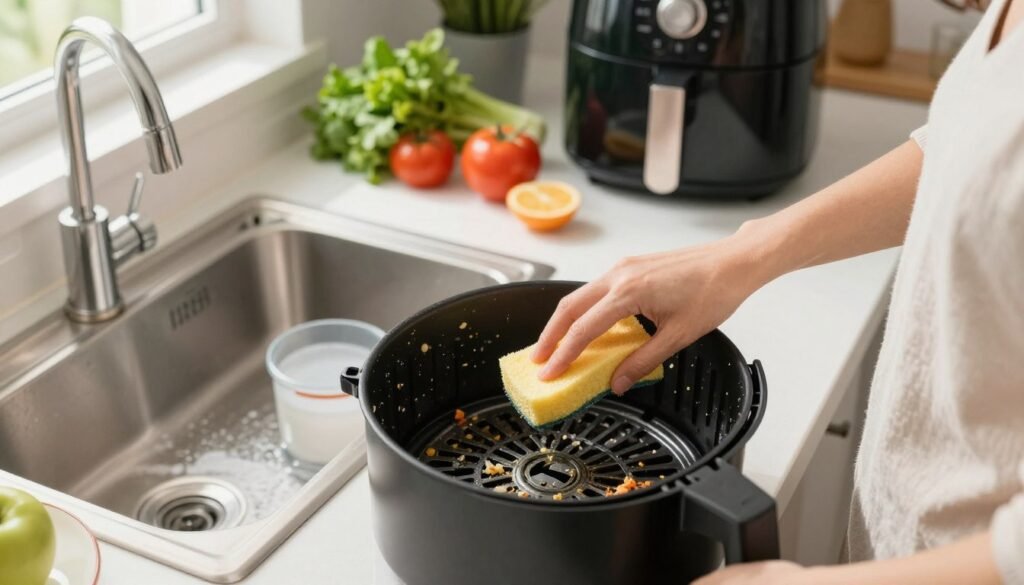
You should perform a thorough cleaning of the basket and tray after every use of the appliance. This simple habit keeps your machine efficient and safe for daily cooking. Regular cleaning is much easier when done before the residue hardens.
- Let the basket cool completely before removing it.
- Soak the parts in warm soapy water to loosen grease.
- Wash with a soft sponge to protect the nonstick surface.
- Rinse thoroughly and dry completely before reassembling.
| Component | Frequency | Benefit |
|---|---|---|
| Removable Tray | Every Use | Prevents burnt odors |
| Outer Housing | Weekly | Removes fingerprints |
| Heating Element | Monthly | Ensures even heat |
Proper cleaning ensures your meals always taste fresh and delicious for your family. Taking five minutes now saves you from heavy scrubbing later. Keep your kitchen smelling great by staying on top of these simple tasks.
9. Ignoring Your Air Fryer Manual
The instruction manual might seem boring, but it holds the secret to mastering your specific air fryer model. While these machines look simple, every brand has unique rules. Skipping these pages can lead to safety risks or poorly cooked meals.
Why This Happens
Most people live in a fast-paced culture where we want results immediately. Reading a technical booklet feels tedious compared to the excitement of cooking a new recipe. We often learn by trial and error, assuming we can figure it out on the fly.
Many users also assume their appliance works exactly like a small toaster oven. Because the interface seems intuitive, the documentation usually stays hidden at the bottom of the box. This impatience often leads to preventable mistakes later on.
How to Fix It
Spend ten minutes skimming the quick-start guide to ensure proper use. Different air fryers have specific requirements for clearance space and temperature accuracy. You should specifically check the cleaning section to see if your baskets are dishwasher safe or require hand washing.
Understanding these small details helps you adapt recipes perfectly for your machine. You don’t need to memorize every word, but knowing the basics prevents costly damage. Use the table below to identify key items you should look for in your guide.
| Topic to Check | Why It Is Important |
|---|---|
| Ventilation Space | Prevents the unit from overheating during operation. |
| Max Fill Line | Ensures enough airflow for air fryers to crisp food. |
| Cleaning Rules | Protects the non-stick coating from harsh chemicals. |
- Check for preheating: See if your model requires a warm-up period.
- Verify accessories: Learn which pans or liners are safe to insert.
- Locate safety features: Identify auto-shutoff triggers and alerts.
10. Cooking Lightweight Foods Without Securing Them
Have you ever opened your air fryer only to find your spinach has vanished? This happens because the internal fan is incredibly powerful and moves rapidly. When you cook items that lack significant weight, the fast wind picks them up instantly.
This situation is more than just a kitchen mishap; it is a safety concern. If ingredients hit the heating element, they can burn or cause significant smoke. You must learn to secure your ingredients for the best results.
Why This Happens
The hot air that makes your meals crispy moves with high force. This strong circulation creates enough lift to blow very light ingredients around the cooking chamber. It frequently occurs with leafy greens, small tortillas, or thin bread slices.
Common problematic foods include:
- Loose spinach or kale leaves.
- Unsecured parchment paper pieces.
- Thin zucchini ribbons or veggie chips.
When these items blow upward, they often touch the glowing heating coils. This can lead to burning smells, kitchen smoke, or even damage to your appliance.
How to Fix It
To keep your food in place, you need to weigh it down effectively. Use a metal trivet or a heat-safe rack to pin light items to the bottom of the basket. This keeps them from flying while still allowing the breeze to reach every surface.
Ensure there is a balanced weight around food so nothing shifts during the cycle. Never preheat the air fryer with loose parchment paper inside. Always place your foods on top of the paper immediately to keep it pinned down. If you follow these simple steps, your snacks will stay exactly where you put them.
11. Using Incorrect Temperature and Time Settings
Relying only on a general cookbook often leads to poor results with your specific machine. Every air fryer cooks a little bit differently depending on its size and heating power.
Why This Happens
Recipe writers test their meals in a specific kitchen under unique conditions. Factors like food thickness and your specific appliance model change how the heat moves. A small basket-style unit often gets much hotter and faster than a large oven model.
How to Fix It
Treat each recipe as a helpful guide instead of a strict rule for your cooking tasks. You should check the food about three minutes before the timer ends to prevent burning. If you are preparing meat, such as a thick steak, flipping it halfway helps it stay juicy and cook evenly.
For a 2-3cm thick sirloin or ribeye steak at 200°C, it usually takes around 8-10 minutes for medium-rare. Always use your eyes and a thermometer to judge doneness rather than just the clock. Observation is the key to a perfect meal.
| Cooking Goal | Heat Adjustment | Timing Tip |
|---|---|---|
| Extra Crispy | Increase by 10°F | Add 2 minutes |
| Thick Items | Lower by 20°F | Cook longer |
| Frozen Snacks | Standard Heat | Shake basket |
Keep a small log of your favorite settings to make the next time much easier. If things brown too fast, lower the heat and add a bit more time. This easy change helps you get the best out of your air fryer every single day.
12. Not Patting Food Dry Before Cooking
Surface moisture is the primary reason why your meals aren’t as crispy as you hoped. When you put damp ingredients into the air fryer, the heat immediately converts that water into steam. This creates a soft exterior that prevents the dry heat from producing a golden-brown crunch.
Why This Happens
Many people skip drying because they are in a hurry or don’t realize how much it matters. When you take chicken or other meat directly from the packaging, it is often covered in natural juices. This excess liquid turns the cooking chamber into a steamer rather than a roaster.
Freshly rinsed vegetables or frozen items with ice crystals also pose a problem for texture. This moisture keeps the surface temperature too low for browning to occur. You want your food to crisp up, not boil in its own trapped juices.
How to Fix It
The solution is simple: always use a paper towel to pat every piece dry before adding oil or spices. When making fries, ensure the potato strips are bone dry after their initial soak. For the best chicken, the skin needs to be completely free of surface water to get that perfect snap.
This quick 30-second step makes a dramatic difference in your air frying results. This is especially important for tofu, mushrooms, and zucchini which naturally hold a lot of water. Patting the food dry transforms the final texture from mediocre to professional-grade frying quality.
Conclusion
The air fryer is the closest thing to kitchen magic we have seen. But like all tools, it works best when you use it right. Avoiding common air fryer mistakes—like using much oil or neglecting cleaning—is the secret to results that rival any restaurant.
Once you fix a common air fryer mistake, the device becomes one of the easiest tools for cooking. You can prepare amazing foods like crispy tofu, potatoes, and vegetables. Whether you are making fries or chicken, giving the fryer basket enough space ensures hot air around the food moves freely.
This guide helps you allow air circulate by not overcrowding the baskets. A light spray of oil is often enough to prevent smoke and provide a perfect coating. Most people find that preheating for just a few minutes makes a huge difference in the final meat texture.
Mastering these fryer mistakes takes a little time, but your side dishes will benefit. Treat your air fryers with care. By treating the appliance like a traditional oven, you avoid fryer mistakes that ruin dinner.
Stop worrying about grease and start air frying with confidence. You deserve delicious, healthy meals every single day. Correcting these air fryer mistakes yields better flavor, while understanding how common air flow works ensures your frying stays consistent.
Consistency with your air fryer is key. Maintaining common air flow requires enough room in the basket. Correcting every air fryer mistakes scenario is the fastest path to culinary success.
| Kitchen Tip | Best Practice |
|---|---|
| Avoid much oil | Only use a light spray for the best results. |
| Preheating | Always run the machine for 5 minutes before use. |
| Basket Space | Allow air circulate freely around food. |