
Welcome to our guide on finding the best air purifier for allergies to help you breathe easier. Data shows that indoor spaces often hold five times more harmful bits than the outdoors. Since many Americans spend most of their time inside, removing these hidden triggers is vital.
Most people spend ninety percent of their time indoors where dust mite feces and mold spores thrive. To get relief, you need a device that stays quiet while catching tiny particles. This guide looks at quality purifiers that provide a fresh room without high energy costs.
Common issues like pet dander and pollen can make allergies feel quite intense. Using a strong hepa filter can stop these irritants before they bother your lungs. We focused on air purifiers that work well at low fan speeds to ensure your home stays safe.
We tested many models to find a hepa machine that really works for your specific needs. This list uses clear data to help you pick purifiers for any room size. See how the right filter technology can make your space much cleaner by using a high-grade filter.
Why Air Purifiers Are Essential for Allergy Sufferers
For the millions of Americans dealing with constant congestion, air purifiers act as a silent guardian against invisible indoor triggers. Many people don’t realize that indoor air quality is often significantly worse than the outdoor air. In fact, the EPA confirms that indoor air quality is poor because it carries 2 to 5 times more pollutants than the air outside.
Since we spend roughly 90% of our time indoors, our homes can actually make allergies worse rather than better. Invisible particles like dust mite feces, pet dander proteins, and mold spores constantly circulate through the air. These tiny triggers stay airborne for hours, causing you to sneeze even when the air looks clear.
A properly sized hepa filter system is designed to intercept these pollutants before they reach your airways. By trapping seasonal pollen and microscopic dust, air purifiers provide measurable relief within just 72 hours. You will likely notice less sneezing and fewer itchy-eye episodes without always needing extra medication.
However, keeping the indoor air clean is just one part of a healthy home strategy. While these devices excel at removing airborne particles, they don’t eliminate settled pet hair or existing mold growth. For the best results, ensure the air flows freely and capture seasonal pollen as part of a total cleaning routine.
To maximize your relief, combine your device with weekly hot-water bedding washes and HEPA-filter vacuuming. Maintaining indoor humidity between 30-50% also prevents mold from thriving in your living space. Taking these steps ensures your home remains a true sanctuary from environmental triggers.
| Allergen Type | Common Behavior | Purifier Benefit |
|---|---|---|
| Seasonal Pollen | Enters via open windows | Captures heavy outdoor spores |
| Dust Mites | Found in carpets and rugs | Traps airborne waste matter |
| Pet Dander | Stays airborne for hours | Filters sticky protein flakes |
| Mold Spores | Thrives in damp corners | Removes floating reproductive units |
How We Tested Air Purifiers for Allergies
Since 2020, our team has refined a scientific method to determine which air purifiers actually clean the air you breathe. We have evaluated over 130 models using a consistent testing methodology to ensure every piece of data remains reliable. This long-term approach allows us to compare new technology against established industry standards.
Our testing takes place in a sealed 200 sq ft room where we inject smoke and dust particles. We use calibrated instruments to track how quickly the air clears when the unit runs at high speed. Measuring how fast clean air returns to a space is vital for people with severe sensitivities.
| Metric Measured | Testing Duration | Primary Equipment |
|---|---|---|
| Particle Removal | 15 to 60 Minutes | Calibrated Particle Counters |
| Acoustic Output | Continuous | Digital Decibel Meter |
| Power Consumption | 30 Days | Kilowatt Usage Tracker |
We specifically focus on particles between 0.1 and 1 micron in size. This specific range is the most difficult for a filter to capture, though it includes common triggers like pet dander. By targeting this tiny size, we can see which units truly protect your lungs.
Each unit runs at its highest speed and then at lower settings to measure true performance. We also use a pollen substitute to see how the filter handles larger allergens over a 60-minute session. This multi-stage process reveals how the machine handles different pollutants in the air.
To ensure home comfort, we measure noise levels in decibels from six feet away. We know that if air purifiers produce too much noise, you probably won’t leave them running throughout the day. A quiet machine is often the most effective because it stays on longer.
Our team also tracks energy use over 30 days to calculate strong, realistic annual running costs. This gives you a better picture of the performance than standard manufacturer estimates. We want you to know the actual cost of ownership before you spend your money.
Finally, we perform a 3-month longevity test to check for filter degradation in the room. We buy all models at retail prices to guarantee our testing stays completely unbiased for our readers. No manufacturer has a say in how we rank these essential home health tools.
Best Air Purifier for Allergies: Top Picks
After extensive laboratory evaluations, these six machines emerged as the absolute gold standard for maintaining a healthy home . We put over 130 different units through rigorous tests to see which ones actually help allergy sufferers. These best air purifiers stood out for their ability to remove pollen, dander, and small particles while remaining incredibly quiet.
Each selected model offers a unique mix of power, efficiency, and smart features. Whether you need a purifier for a large living room or a portable option for travel, our list covers the most reliable models available. We measured performance based on real-world conditions to ensure you get the relief you deserve.
CleanAirKits Luggable XL Ultra
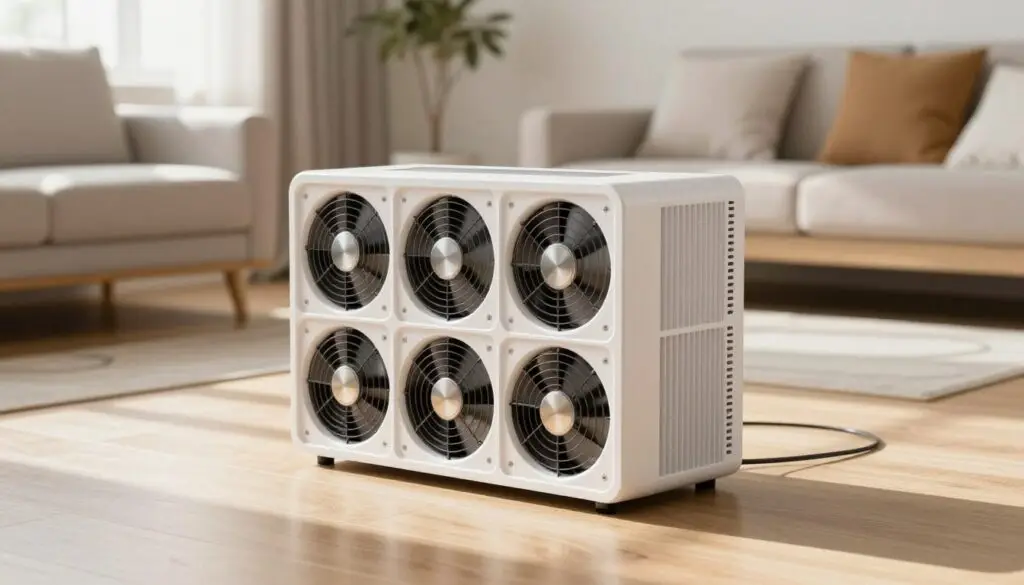
Overview
The CleanAirKits Luggable XL Ultra is a game-changer for people who value silence. It uses seven Cooler Master Mobius 120 PC fans to pull air through two large 20×25 MERV 13 filters. This design allows the purifier to move a massive amount of air without the high-pitched whine found in traditional units.
During our testing, this unit delivered a clean air delivery rate of 315 cfm for dust. It is powerful enough to provide six air changes per hour in a room up to 393.7 square feet. This air purifier is ideal for bedrooms where noise is a major concern.
One of the best things about this unit is its low operating cost. It uses filters that you can buy at any hardware store, such as the 3M Filtrete MPR1900. You can purchase it as a DIY kit or fully pre-built from the manufacturer.
Pros
This model is the quietest high-CADR purifier we have ever tested. It features energy costs of only $19.76 annually, making it very affordable to run 24/7. The flexibility to use standard filter sizes is a huge advantage for long-term maintenance.
Cons
The industrial, boxy look might not fit everyone’s home decor. It also lacks “smart” features like app connectivity or air quality sensors. However, its raw performance in removing particles makes up for the basic interface.
Specifications
- Dust CADR: 315 cfm
- Max Noise Level: 47.2 dBA
- Weight: 8 lbs
- Recommended Filter: 20×25 MERV 13
- Warranty: 1-year
- Origin: Made in USA
AirFanta 3Pro
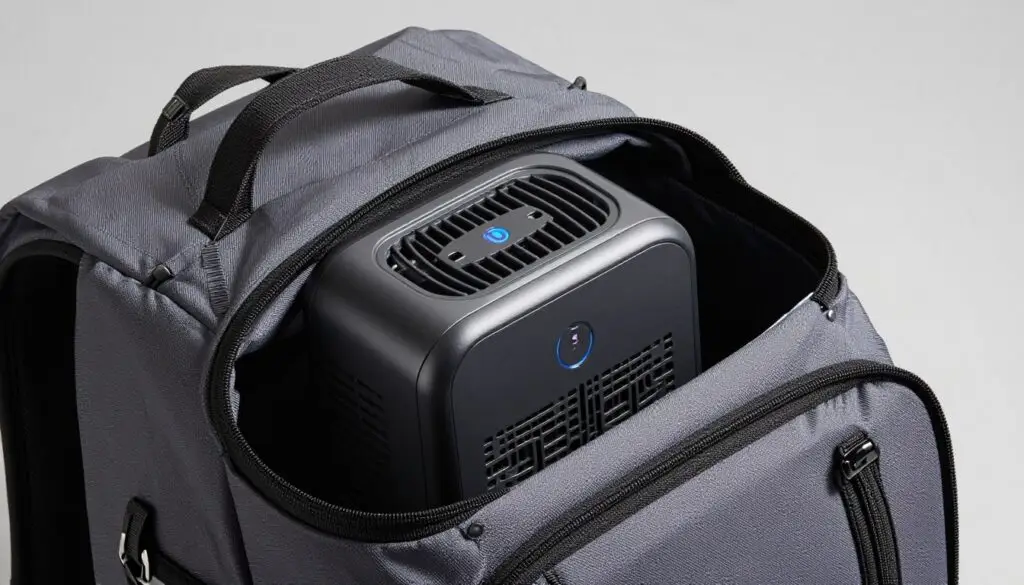
Overview
The AirFanta 3Pro offers exceptional value for those who need high-speed cleaning on a budget. Priced at just $164.99, it provides a top speed clean air delivery rate of 353 cfm. This makes it one of the most efficient best air purifiers for the price.
Travelers will love that this air purifier can be easily disassembled. It is designed to fit inside a standard backpack, allowing you to take clean air to hotels or offices. Even at a whisper-quiet 43.3 dBA, it still maintains a strong 213 cfm air delivery rate.
The unit uses a high-quality filter system to trap allergens effectively. It is a fantastic choice for anyone who moves from room to room throughout the day. The build quality is surprisingly sturdy for such a lightweight device.
Pros
It provides incredible power for a very low entry price. The portability factor is unique, as most powerful models are too bulky to move easily. Dust and pollen disappear quickly when this unit is on its highest speed setting.
Cons
The fan can be loud when running at the maximum setting. It lacks the advanced activated carbon layers found in more expensive hepa units. You may need to replace the filter more often if you live in a high-pollution area.
Specifications
- Top Speed CADR: 353 cfm
- Quiet Mode CADR: 213 cfm
- Price: $164.99
- Portability: Disassembles for travel
- Sound Level: 43.3 dBA (at 213 cfm)
Levoit Core 400S
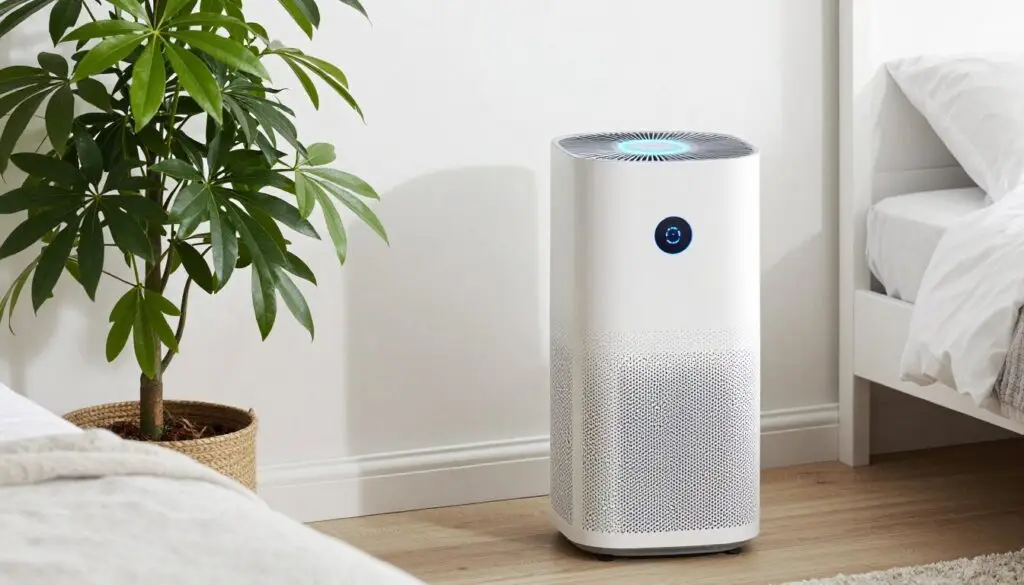
Overview
The Levoit Core 400S is the perfect choice for tech-savvy homeowners. This levoit core model features a built-in laser particles sensor that monitors your air in real-time. You can see your air quality levels directly on the VeSync app.
Its cylindrical design is not just for looks; it helps save floor space while pulling air from all 360 degrees. The levoit core 400s delivers a solid 249 cfm at its highest speed. It balances smart functionality with reliable HEPA-grade performance.
This purifier includes an activated carbon filter to help with household odors. The levoit core series is known for being user-friendly and easy to set up. It is a great all-rounder for bedrooms or medium-sized living areas.
Pros
The levoit core 400s offers excellent smart integration with Alexa and Google Assistant. Its real-time PM2.5 display gives you peace of mind about your air quality. The carbon filter effectively neutralizes light cooking smells and pet odors.
Cons
The hepa filter replacements can become expensive over time. While the levoit core is efficient, it isn’t the fastest model for very large open-concept homes. Some users might find the app setup slightly time-consuming.
Specifications
- Top CADR: 249 cfm
- Sensor Type: Laser PM2.5
- App Support: VeSync App
- Filter Type: HEPA with activated carbon
- Voice Control: Alexa & Google Assistant
Coway Airmega ProX
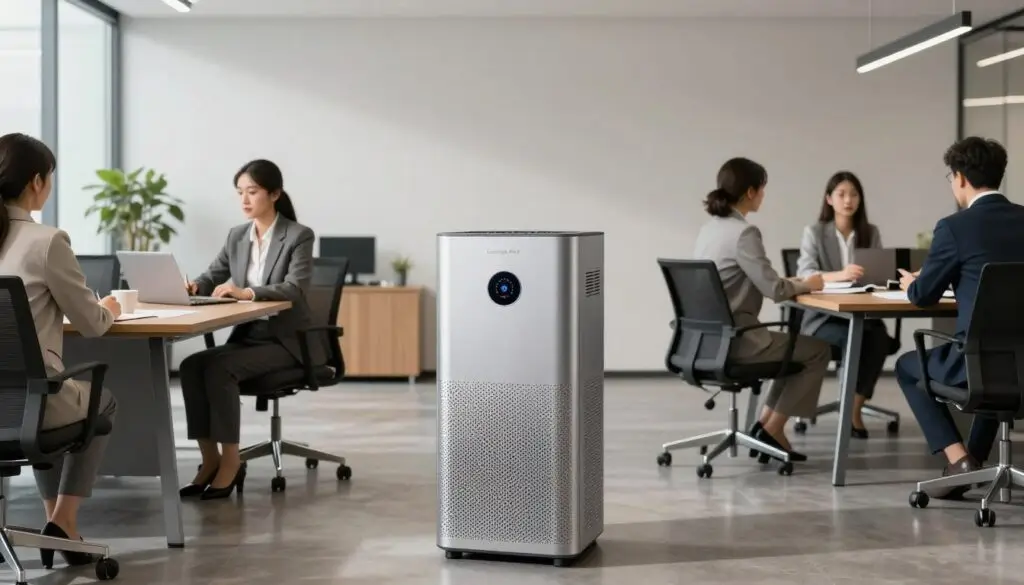
Overview
If you need raw power, the Coway Airmega ProX is the fastest hepa purifier we have tested. It can clear a room of dust and allergens in as little as 13 minutes. With a massive 462 cfm top air delivery rate, it handles large spaces with ease.
The ProX manages to stay surprisingly quiet despite its strength. At a lower setting, it produces only 44 dBA while still moving 299 cfm of air. This makes it an excellent air purifier for large open-plan offices or high-ceiling living rooms.
This is a premium model designed for durability and high performance. It uses a dual-filtration system to ensure no particles escape back into the room. Strong construction and high-quality materials justify its higher price point.
Pros
This purifier offers unmatched speed for large-scale air cleaning. The dual filter design maximizes the surface area for capturing allergens. It is built to last and looks very professional in any setting.
Cons
The price tag is over $900, which is a significant investment for most families. It is a heavy unit, making it difficult to move between floors. The replacement filters are also among the most expensive on the market.
Specifications
- Max CADR: 462 cfm
- Quiet CADR: 299 cfm (at 44 dBA)
- Room Size: Ideal for extra-large spaces
- Filter Life: High-capacity dual system
- Price Range: $900+
IQAir HealthPro Plus
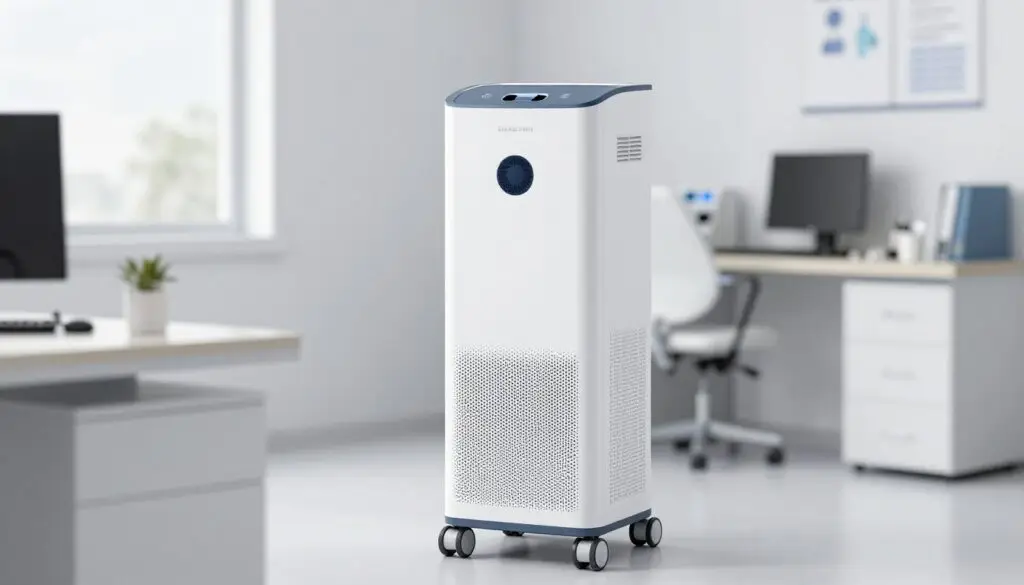
Overview
The IQAir HealthPro Plus is widely considered the best air purifier for severe allergy sufferers. It features Swiss-made HyperHEPA technology that is medical-grade and 100% sealed. It can capture 99.5% of particles as small as 0.003 microns.
Unlike many other best air purifiers, the IQAir is designed to prevent air leakage. Every bit of air that enters the machine must pass through the filters. This ensures that dust and smoke are completely removed from your indoor environment.
The unit features a long 16-month filter life, reducing the frequency of maintenance. It is backed by an industry-leading 10-year warranty, showing the company’s confidence in their performance. It is the ultimate choice for those who need clinical-level air purity.
Pros
The HyperHEPA filter captures much smaller particles than standard hepa units. The medical-grade construction ensures that no dirty air bypasses the filter. A 10-year warranty provides incredible long-term value for the owner.
Cons
The unit is quite large and has a very clinical, boxy appearance. It is one of the more expensive models to purchase upfront. The fan noise on the highest settings can be quite loud compared to PC-fan-based units.
Specifications
- Filtration: HyperHEPA (0.003 microns)
- Warranty: 10-year
- Manufacturing: Made in Switzerland
- Filter Life: Up to 16 months
- Sealing: Medical-grade 100% sealed system
Winix 5500-2
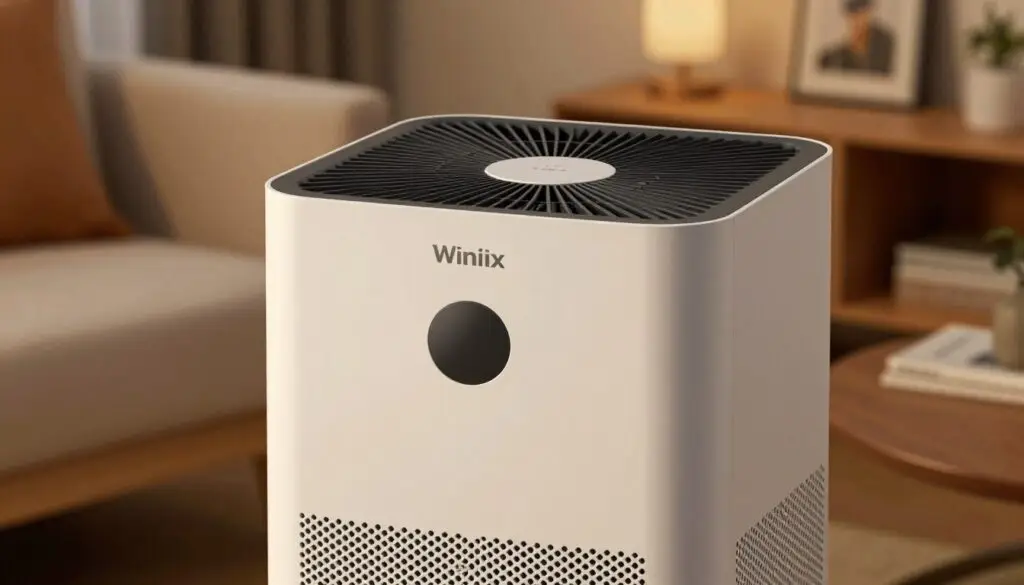
Overview
The Winix 5500-2 is our top pick for the best value air purifier under $200. It effectively removes 94% of allergens using a multi-stage process. This includes a washable AOC carbon filter and PlasmaWave technology.
One of its standout features is the whisper-quiet sleep mode. It operates at just 28 dB, which is barely audible even in a silent room. The built-in smart sensor automatically adjusts the fan speed based on the current air quality.
This model is very affordable to operate, with an annual cost of about $60. It strikes a great balance between performance and price. It is a reliable purifier that has remained a favorite for years due to its consistent results.
Pros
The washable carbon filter helps save money on replacements. Noise levels in sleep mode are low enough for even the lightest sleepers. Strong allergen removal and PlasmaWave tech make it great for pet owners.
Cons
The PlasmaWave feature produces a tiny amount of ozone, though it is within safety limits. The filter replacement indicator can sometimes be over-sensitive. Its aesthetic design is somewhat dated compared to newer levoit core units.
Specifications
- Price: Under $200
- Sleep Mode Noise: 28 dB
- Annual Operating Cost: ~$60
- Special Feature: PlasmaWave Technology
- Filter Type: Washable activated carbon
Special Mentions Worth Considering
Beyond the main winners, several other units offer specialized features that might perfectly fit your home needs. These best air purifiers didn’t quite make the top spots but still offer amazing value. Whether you want a lifetime build or ultra-quiet operation, one of these models might be your ideal purifier to clean your air.
Nukit Tempest Pro
If you want a buy-it-for-life model, the Nukit Tempest Pro is a great choice. The fan system sits inside a durable metal body that can last a lifetime. It provides 188 cfm of clean air while staying at a whisper-quiet 39.1 dBA.
This unit works well for a smaller room and even allows for wall-mounting. It uses standard 20×25 filters, such as the 3M Filtrete MPR1900. You can also skip using carbon layers to keep your individual filter replacement costs even lower.
IQAir Atem X
The IQAir Atem X is a premium choice for high performance. It uses advanced hepa technology to capture the smallest allergens in your home. With a 429 cfm CADR, it quickly refreshes the air in larger living areas.
While it is an expensive purifier at $1,400, the 10-year warranty provides great peace of much-needed mind. It also includes full app support to help you track your home conditions easily.
Austin Air HealthMate HM400
The Austin Air HealthMate HM400 has an incredible 5-year filter life. It features a 15-pound carbon bed to pull heavy odors out of the air. With a 400 CFM rate and medical-grade hepa protection, it is one of the best air purifiers for allergy sufferers.
This purifier is simple to use and very sturdy. It remains a top pick for those wanting low maintenance, as it costs only about $40 per year to run. Its longevity makes it a smart investment for your health.
Blueair Blue Pure 211i Max
Finally, the Blueair Blue Pure 211i Max is a quiet option running at just 23 dB on its lowest setting. Its dual filter system delivers a high 350 CFM CADR. The sleek Scandinavian design includes washable filters in fun colors to match your style.
This powerful fan-driven unit provides high-quality air without the loud noise found in other models. It is perfect for any room where you sleep or work. Its combination of style and silence is hard to beat for the price.
Air Purifier Comparison Table
Finding the perfect match for your home starts with comparing how these devices perform in real-world settings. We skipped the manufacturer spec sheets to give you honest results based on our hands-on testing. Our team measured every air purifier on this list for efficiency and noise in actual living spaces.
| Model | Room Coverage | Noise Level | Annual Cost |
|---|---|---|---|
| Austin Air HM400 | 1,500 sq ft | 50 dB | $40 |
| Blueair 211i Max | 635 sq ft | 23 dB | $100 |
| IQAir HealthPro Plus | 1,125 sq ft | 25 dB | $65 |
| Winix 5500-2 | 360 sq ft | 28 dB | $60 |
Our team calculated the annual running cost based on 24/7 operation and current retail price for filters. While the initial price might seem high for some purifiers, the long-term savings often tell a different story. For instance, the Austin Air HM400 uses a high-capacity filter that lasts up to five years.
This long lifespan helps you save between $250 and $400 over a five-year period. Other models usually require new filters every six months, which quickly adds up. Whether you need to clean the air in a large room or a quiet bedroom, our data helps you choose wisely.
These metrics factor in allergen removal and build quality to help you identify the best fits. We compared each air purifier to see how well it maintains clean air without excessive noise or high operation costs. Choosing a device with a durable filter ensures your air stays fresh in every room of the house.
By investing in the right reliable air purifier, you ensure high-quality air circulation. Some high-end purifiers use a specialized filter to capture the smallest particles efficiently.
- Blueair 211i Max offers the quietest performance at only 23 dB.
- Austin Air HM400 provides the best long-term value with a $40 annual cost.
- IQAir HealthPro Plus balances professional filtration with a $65 yearly expense.
What to Look for When Buying an Air Purifier for Allergies
Selecting the perfect purifier for your allergy needs starts with understanding how these machines actually perform. It is easy to buy a unit that looks great but fails to keep the air clean during peak pollen season. Focus on these vital specs to ensure you get the relief you deserve.
Air Changes Per Hour (ACH)
ACH tells you how many times an air purifier completely filters all the air in a room every hour. While industry experts suggest a minimum of 4.8 ACH, allergy sufferers should aim for 6. This ensures the purifier cleans every bit of air every 10 minutes.
Be careful with deceptive marketing. Some small purifiers claim they can handle rooms of 1,000 square feet based on just one air change per hour. This is like trying to empty a sinking boat with a tiny teaspoon.
For instance, the Levoit Core Mini has a dust CADR of 41 CFM. It only provides the needed six ACH in 51 square feet. That size is barely larger than a walk-in closet!
Clean Air Delivery Rate (CADR)
CADR measures the cubic feet of air processed every minute at the highest fan speed. A higher number indicates that the device removes particles and allergens much faster. Faster filtration means fewer symptoms for you.
When you compare purifiers, look at specific ratings for dust and pollen. If you run the unit at a lower fan speed to reduce noise, the effective CADR will drop. Choosing a machine with a powerful filter ensures efficiency even on quiet settings.
Room Size Coverage
To find the right size for your space, use this simple formula: Room area × ceiling height ÷ 15 = minimum CADR needed. We recommend buying a unit that is 1.5 times that number for the best allergy relief. A 300 sq ft room with 8 ft ceilings needs at least 160 CFM, but 240 CFM is better.
Remember that real-world conditions differ from empty testing labs. Furniture and variable humidity (35-55%) can reduce performance by 10-20%. Always account for temperature fluctuations (68-75°F) to keep the air fresh in all your rooms. Picking the right size helps your filter last longer and work better.
Understanding HEPA Filters and Why They Matter for Allergies
To breathe easier at home, you must grasp how different filtration layers work together to trap annoying microscopic triggers. The quality of your hepa filter determines if you are actually cleaning the room or just moving dust around.
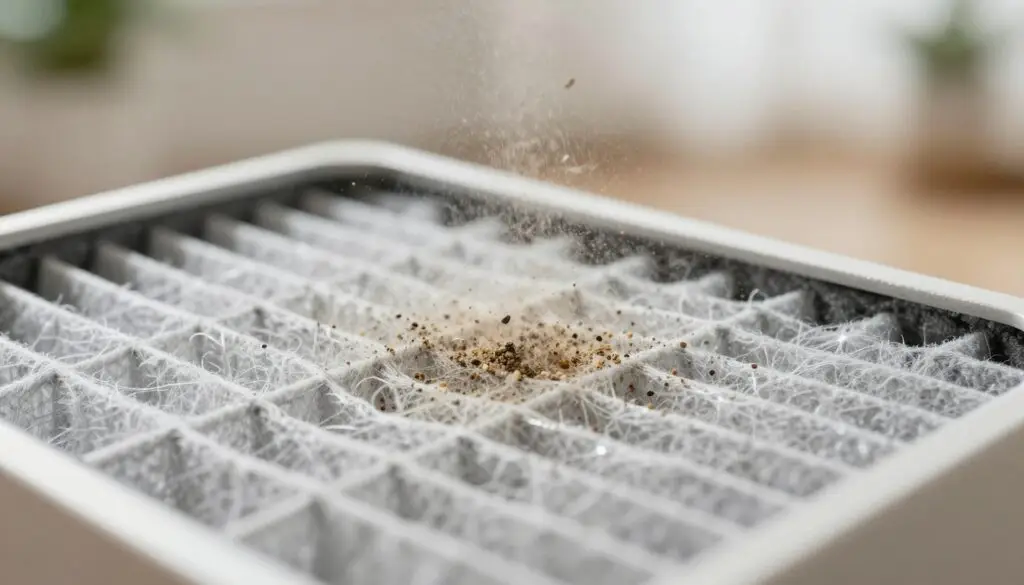
Don’t let marketing jargon fool you when browsing for a new filter. A True hepa (H13) unit captures 99.97% of particles at 0.3 microns, while “HEPA-type” or “HEPA-style” filters often only catch 85-90% of pollutants.
True HEPA vs HEPA-Type Filters
The difference between these two technologies is massive for your health. A “HEPA-type” filtration system allows 5x more pollen and 40x more dust mite waste to pass back into your air. For those with pets, these inferior filters let through 50x more dander than a certified H13 hepa unit.
| Allergen Type | True HEPA Efficiency | HEPA-Type Pass-Through |
|---|---|---|
| Pollen (10-100 μm) | 99.99% | 5x more allergens |
| Mold Spores (3-40 μm) | 99.97% | 33x more allergens |
| Pet Dander (0.5-10 μm) | 99.97% | 50x more allergens |
Always look for the H13 certification to ensure your hepa technology is legit. Terms like “HEPA-like” or “99% HEPA” are just marketing words without real certification. We only recommend devices that use the hepa standard for 100% of the processed air.
HyperHEPA Technology
Some premium brands like IQAir use HyperHEPA technology for even better results. This advanced filtration captures ultrafine particles down to 0.003 microns, which is 10 times smaller than what a standard hepa unit catches. This medical-grade performance is ideal for those with severe sensitivities to the smallest pollutants.
The Role of Activated Carbon Filters
Many units include an activated carbon layer alongside the main hepa filter. This activated carbon component handles volatile organic compounds (VOCs) and household odors. While carbon is great for removing smells, it does nothing for particulate allergens.
If you only react to pollen, you might prefer a device that focuses purely on particle removal. However, a multi-stage activated carbon and carbon setup provides the most comprehensive protection. This ensures that both gases and solid triggers stay trapped inside the filter system.
Every model we recommend uses a sealed filtration system to prevent leaks. This means 100% of the air must pass through the filter rather than escaping through gaps in the housing. Investing in a high-quality hepa filter ensures your air stays truly clean for years to come.
Noise Levels: Finding a Quiet Air Purifier
Finding a quiet air purifier is essential because a loud machine often ends up being turned off or kept on its lowest setting. If a purifier sounds like a jet engine on its highest speed, you will likely lower the fan speed just to get some sleep. This choice directly impacts how well the device cleans your room.
This is a significant issue because most purifiers move 40% to 60% less air when running on a low setting. A unit you never turn up is not doing its job to remove allergens over time. You need a balance between power and volume to keep your home healthy.
For bedroom use, where allergies often flare up at night, look for models that stay under 30 dB on their lowest setting. The Coway Airmega 400 is a top performer at 22 dB, while the Blueair Blue Pure 211i Max hits 23 dB. Both are significantly quieter than a whispered conversation.
In contrast, some units like the Molekule Air Mini+ produce 67.4 dB at top speed, which is louder than a vacuum cleaner. To reach a livable 45 dBA, the air cleaning capacity of this air purifier plummets to just 36 CFM. This reduction makes it much less effective for someone suffering from severe allergies.
| Model Name | Low Setting (dB) | High Setting (dB) |
|---|---|---|
| Coway Airmega 400 | 22 dB | 52 dB |
| Blueair 211i Max | 23 dB | 53 dB |
| Molekule Air Mini+ | 39 dB | 67.4 dB |
You should aim for a “sweet spot” with strong performance at sub-45 dBA levels for 24/7 operation. Always measure noise from 6 feet away to get a realistic sense of the noise in your room. Continuous air cleaning is vital for allergy relief, so do not let a loud purifier waste your time. Manageable noise levels allow for better sleep and consistent noise control throughout the day.
Since allergy sufferers need constant filtration, a device that is only powerful when uncomfortably loud is not useful. Most purifiers should be easy to live with at a medium fan speed. Focus on finding a model that blends into the background while keeping your environment clean.
Best Placement Strategies for Maximum Allergy Relief
Did you know that moving your air purifier to a new spot can boost its efficiency by over 35%? This simple change often provides a bigger improvement than even upgrading to a more expensive model. For the best results, you should prioritize your bedroom first.
Since you spend 6 to 8 hours breathing that air while sleeping, creating a clean environment there is absolutely vital. Running your unit with the door closed produces the most noticeable improvement in morning allergy symptoms. This ensures you are not fighting constant infiltration from the rest of the house.
To maximize performance, try to elevate your device. Placing purifiers on a table or shelf about 2 to 3 feet off the floor helps capture pollen and dust before they reach your pillow. Always leave at least 3 feet of open space around the intake and outlet vents. Placing a unit in a tight corner can restrict the air flow by 20% to 30% in measured testing.
Strategic placement near the source is also a very smart move. Keep the unit near where your pet sleeps or where the pet spends the most time to catch dander before it spreads. If outdoor triggers are the problem, place it near entryways. Remember, purifiers cannot clean the air through closed doors. Two units in separate rooms will always outperform one unit in a single room.
Finally, always keep your bedroom doors closed during operation. This helps the air purifier maintain a clean space instead of fighting new particles from other rooms. By giving your device enough room to breathe, you ensure it has the space to keep your air fresh and healthy. Proper placement truly makes a world of difference for your comfort.
Matching Air Purifiers to Your Specific Allergies
Your path to relief starts by matching your unique triggers to the specific capabilities of different air purifiers allergies. Not all air filtration systems are built for every sensitivity. By identifying your main allergies, you can pick a device that effectively targets those specific triggers.
Seasonal Pollen Allergies
Pollen grains are relatively large particles, usually measuring between 10 and 100 microns. Because of their size, any True HEPA purifier with a CADR over 200 CFM handles them with ease. The Winix 5500-2 stands out as an excellent value choice for those battling seasonal pollen.
Dust Mite Allergies
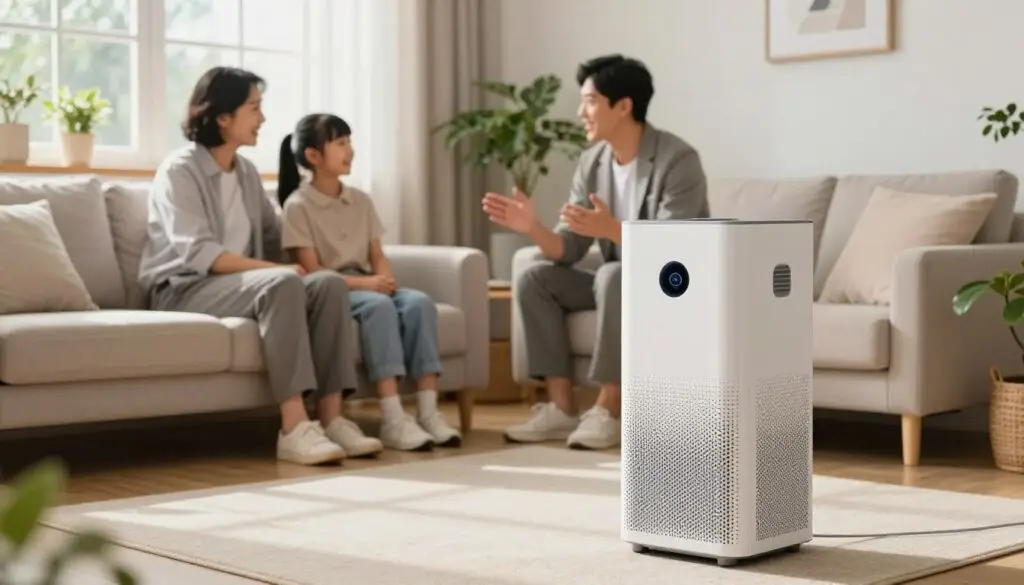
To manage dust mite waste, focus on placing the unit in your bedroom and keeping the door closed. The IQAir HealthPro Plus excels here because its HyperHEPA technology catches the ultrafine particles standard filters often miss. It effectively clears the air of tiny waste triggers to provide a better night of sleep and less allergy congestion.
Pet Dander
Living with a pet means dealing with constant shedding and skin flakes. You should choose an air purifier with strong, washable pre-filters to manage these larger items and reduce long-term costs. High-performance models like the Blueair 211i Max tackle pet dander while providing essential air purifiers allergies support for your household.
A good pre-filter protects the more expensive main filter from getting clogged too quickly. This setup ensures your home stays fresh even with a furry pet around. It also helps maintain high airflow throughout the day for better allergy protection.
Mold Sensitivity
Mold issues require high CADR and placement near damp spots like basements or bathrooms. The Austin Air HealthMate HM400 includes a massive 15-pound carbon bed to absorb musty pollutants and gaseous odors. This feature is vital for air purifiers allergies since standard hepa filters cannot trap the smells associated with mold growth.
If you suffer from multiple triggers, the IQAir HealthPro Plus covers the widest range of sizes. However, if your primary concern is just pet hair or dust, a simpler purifier might actually work faster. Matching the device to your allergy type ensures the cleanest air for your specific health needs.
Running Costs and Filter Replacement
Understanding the long-term expenses of your investment ensures you won’t be surprised by hidden fees later. While the upfront price matters, ongoing maintenance keeps your air purifier effective. Finding a balance between performance and daily spending is key for any air cleaning strategy.
Annual Energy Costs
Most devices consume between 30 and 70 watts during continuous operation. This power draw is roughly the same as running a single light bulb in your living room. You can expect to spend between $30 and $70 every year on electricity for most standard models.
Some specialized units offer even better efficiency for those watching their utility bills. For example, the CleanAirKits Luggable XL Ultra only requires about $19.76 annually for power. This makes it one of the most affordable choices for 24/7 use in large rooms.
Filter Replacement Expenses
The biggest ongoing price involves replacing the hepa and carbon layers inside your machine. A standard filter usually needs changing every 6 to 16 months depending on your home environment. Prices for these filters range from $30 to $80 for most mid-range models.
The Austin Air HealthMate HM400 offers incredible value because its internal filter lasts up to five years. This durability brings its total annual expense down to just $40. Premium brands like IQAir have higher costs, with genuine replacements priced at $199.99.
Using a washable pre-filter helps extend the life of more expensive internal components. Units like the Winix 5500-2 use a pre-filter to catch large dust and pet hair. This prevents the main air cleaning stage from clogging too quickly.
When you regularly clean the pre-filter, your purifier stays efficient for much longer. Always calculate the total expense of ownership over at least three years. This calculation provides a much clearer picture than looking at the sticker price alone.
| Model Name | Annual Electricity | Filter Lifespan | 3-Year Total Expense |
|---|---|---|---|
| Austin Air HM400 | ~$30 | 60 Months | ~$755 |
| Budget $200 Unit | ~$50 | 6 Months | ~$680 |
| Luggable XL Ultra | ~$19.76 | 12 Months | Variable |
A $200 air purifier with $80 filters replaced every six months actually costs $680 over three years. Meanwhile, an $800 unit with long-lasting parts might only cost slightly more in total. Keeping your air clean shouldn’t be a financial burden if you choose a purifier with sustainable maintenance needs.
Common Mistakes to Avoid When Using Air Purifiers
You might be surprised to learn that your habits could be limiting your machine’s power. Buying one massive unit for a living room and expecting it to clean the entire house is a major mistake. Air purifiers simply cannot circulate air effectively through closed doors.
You will often find that two smaller units in separate rooms outperform a single expensive unit in one large room. Another common issue is running the fan on a low speed when your symptoms are at their worst.
Using a lower fan setting during peak allergy season reduces effectiveness by nearly half. For the best recommendations, you should keep the unit running continuously. New particles flow into your home constantly, so intermittent use is rarely effective.
Shoving your air purifier into a corner restricts airflow by up to 30%. Always follow the features listed in the manual for optimal placement. Avoid “HEPA-type” options and stick to a True HEPA filter to trap the smallest allergens.
Finally, remember that purifiers only handle airborne particles and cannot eliminate settled dust or existing mold growth. While modern features are great, they still need a clean filter to function. Most expert recommendations suggest waiting 72 hours for full results.
Following these recommendations ensures your air stays clean and breathable. High-end purifiers rely on high-quality air intake to work. Make sure your air can move freely through the specialized features of your chosen device.
Conclusion
Selecting the best air for your living space ensures you breathe easier every single day. Achieving lasting relief from allergies requires a combination of True HEPA filtration and a smart design that fits your home. You can transform your environment by prioritizing high air changes per hour.
For the best air and medical-grade performance, the IQAir HealthPro Plus stands out as our top choice. If you want a great air purifier at a lower price, the Winix 5500-2 offers incredible value for most families. Both units provide high quality and consistent clean air by capturing tiny particles that cause irritation.
Large rooms benefit from the Coway Airmega 400, which offers a powerful design for big spaces. If you love technology, the Levoit Core 400S includes a helpful app and a smart sensor. These features let you monitor air levels and adjust settings easily from your phone.
Quiet operation is vital for the best air during the night. The Blueair Blue Pure 211i Max has a whisper-quiet design that won’t disrupt your sleep. Always check the sensor data to ensure your purifier is working efficiently throughout the day.
Consider the total cost of ownership when choosing air purifiers for your family. Looking for the best air means balancing the initial price with filter costs over time. With these modern features and a connected app, you can finally maintain high quality and enjoy a healthier home.